AI से Jobs पर कितना असर? भारत में बदल रही है Job Market
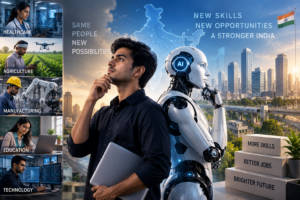
Artificial Intelligence यानी AI अब सिर्फ technology companies तक सीमित नहीं है। Banking, healthcare, manufacturing, education, logistics, retail और कई दूसरे sectors में AI-based tools का इस्तेमाल बढ़ रहा है।
इसी बदलाव के बीच भारत का Commerce Ministry उन sectors और क्षेत्रों का अध्ययन कर रहा है, जो AI-driven disruption के बीच employment के लिए relatively resilient रह सकते हैं। Commerce Minister Piyush Goyal ने 22 September 2026 को बताया कि सरकार AI को अपनाने के साथ-साथ नए sources of employment की संभावनाओं पर भी काम कर रही है।
क्या AI Jobs खत्म करेगा?
AI का असर सभी jobs पर एक जैसा नहीं होगा। कुछ repetitive और rule-based tasks automation के लिए ज्यादा suitable हैं, जबकि ऐसे काम जिनमें human interaction, decision-making, creativity और context की समझ जरूरी होती है, उनमें AI को support tool के रूप में इस्तेमाल किए जाने की संभावना ज्यादा है।
भारत सरकार से जुड़े एक policy note के अनुसार AI को human work के replacement के बजाय कई complex और context-rich tasks में human capability को augment करने वाले technology के रूप में भी देखा जा रहा है।
इसका मतलब यह है कि आने वाले समय में कई jobs का nature बदल सकता है, भले ही पूरी job खत्म न हो।
किन Sectors में AI का असर बढ़ रहा है?
AI का इस्तेमाल अब कई industries में तेजी से बढ़ रहा है।
Healthcare
Healthcare में AI का इस्तेमाल data analysis, medical imaging, patient management और administrative processes जैसे areas में हो रहा है।
लेकिन diagnosis और treatment जैसे मामलों में human medical expertise की भूमिका महत्वपूर्ण बनी रहती है।
Agriculture
Agriculture में weather data, crop monitoring, precision farming और supply-chain management जैसे क्षेत्रों में AI का इस्तेमाल किया जा रहा है।
सरकार से जुड़े documents में agriculture को उन sectors में शामिल किया गया है जहां AI adoption के साथ human skills की भी महत्वपूर्ण भूमिका बनी हुई है।
Logistics
Logistics और supply chain में AI demand forecasting, route optimisation और inventory management जैसे कामों में मदद कर सकता है।
इससे operational efficiency बढ़ सकती है, जबकि field-level operations में human workforce की भूमिका बनी रहती है।
Manufacturing
Factories में robotics, computer vision, predictive maintenance और automated quality checks का इस्तेमाल बढ़ रहा है।
इस बदलाव के साथ traditional roles के अलावा automation, robotics और AI-related technical skills की जरूरत भी बढ़ सकती है।
AI Skills की Demand क्यों बढ़ रही है?
AI के बढ़ते इस्तेमाल के साथ companies को ऐसे professionals की जरूरत पड़ रही है जो अपने existing domain के साथ AI tools को भी समझते हों।
Naukri JobSpeak के August 2026 data के अनुसार India में white-collar hiring साल-दर-साल 14% बढ़ी, जबकि AI/ML roles में hiring growth 31% YoY रही। Healthcare hiring 16% और Auto sector hiring 19% बढ़ी।
यानी AI केवल नए technology roles नहीं बना रहा, बल्कि existing industries में भी skills की जरूरत बदल रहा है।
कौन-सी Skills महत्वपूर्ण हो सकती हैं?
AI के दौर में केवल coding सीखना ही एकमात्र रास्ता नहीं है।
Demand बढ़ने वाले skill areas में शामिल हैं:
- Artificial Intelligence
- Machine Learning
- Data Analytics
- Cyber Security
- Cloud Computing
- Robotics
- AI-assisted content और marketing
- Prompt Engineering
- AI Governance और Ethics
- Domain-specific AI applications
भारत सरकार के skilling ecosystem में भी AI, ML, Data Science, Cyber Security, Robotics और अन्य emerging technologies से जुड़े courses और qualifications बढ़ाए जा रहे हैं।
AI के साथ नई Jobs भी बन सकती हैं
AI से केवल existing jobs पर pressure की बात नहीं है। नई technology के साथ नए roles भी सामने आ रहे हैं।
NITI Aayog के AI economy roadmap में AI adoption के साथ AI architects, prompt engineers, AIOps engineers, AI engineers और research-oriented roles जैसे नए job profiles की संभावना बताई गई है।
इसके अलावा AI को healthcare, finance, education, manufacturing और logistics जैसे domains में लागू करने के लिए domain knowledge + AI skills वाले professionals की जरूरत बढ़ सकती है।
India में AI Skills पर बढ़ रहा Focus
भारत सरकार ने AI-related skilling को भी तेजी से बढ़ाया है।
Skill India ecosystem के तहत अगस्त 2026 तक 5.17 लाख से ज्यादा learners SOAR programme में enrolled थे और 1 लाख से ज्यादा learners certified हो चुके थे। PMKVY 4.0 के तहत AI, Machine Learning, Data Science, Cyber Security, Robotics और 5G जैसी technologies में future-skills training भी दी जा रही है।
इससे संकेत मिलता है कि आने वाले समय में workforce को केवल traditional qualifications के आधार पर नहीं, बल्कि technology के साथ काम करने की क्षमता के आधार पर भी देखा जा सकता है।
सबसे बड़ा बदलाव Jobs में नहीं, Job Skills में हो सकता है
AI को लेकर चर्चा अक्सर इस सवाल पर होती है कि कितनी jobs खत्म होंगी। लेकिन workplace में एक दूसरा बदलाव भी उतना ही महत्वपूर्ण है—एक ही job को करने के लिए जरूरी skills बदल सकती हैं।
उदाहरण के लिए marketing professional AI से research और content analysis कर सकता है। Accountant data processing automate कर सकता है। Engineer predictive tools का इस्तेमाल कर सकता है और customer-service professional AI assistant के साथ काम कर सकता है।
यानी आने वाले समय में कई professionals के लिए सवाल यह नहीं होगा कि AI आएगा या नहीं, बल्कि यह होगा कि वे AI के साथ अपने काम करने का तरीका कैसे बदलते हैं।
निष्कर्ष
भारत में AI adoption तेजी से बढ़ रहा है और इसका असर technology sector से आगे कई industries तक पहुंच रहा है। सरकार भी AI-driven changes के बीच नए employment opportunities और resilient sectors की पहचान पर काम कर रही है।
आने वाले वर्षों में कुछ roles automation के कारण बदल सकते हैं, वहीं AI skills और नए technology-based roles की demand भी बढ़ सकती है। इसलिए India’s job market में AI और human skills का combination एक महत्वपूर्ण हिस्सा बनता जा रहा है।
The Indian Opinion: AI के दौर में career की तस्वीर सिर्फ “jobs खत्म होंगी या नहीं” से तय नहीं होगी; skills, reskilling और technology के साथ काम करने की क्षमता भी महत्वपूर्ण होगी।