Voter List Revision पर देश में बढ़ा विवाद: Opposition के आरोप और Election Commission का पक्ष क्या है?
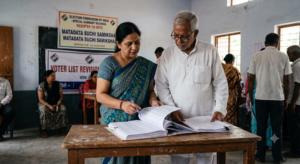
भारत में Voter List Revision को लेकर political controversy एक बार फिर तेज हो गई है। केंद्र में Special Intensive Revision (SIR) है, जिसके तहत Election Commission electoral rolls की दोबारा जांच और verification कर रहा है।
हाल के दिनों में Opposition parties और civil society groups ने इसके खिलाफ protests तेज किए हैं और Election Commission पर voter names हटाने तथा प्रक्रिया में transparency की कमी के आरोप लगाए हैं।
SIR आखिर है क्या?
Special Intensive Revision यानी SIR का उद्देश्य electoral rolls को verify करना है, ताकि eligible citizens का नाम voter list में रहे और ineligible या duplicate entries को हटाया जा सके।
Election Commission के अनुसार इसका मुख्य उद्देश्य है—कोई eligible voter छूटे नहीं और कोई ineligible व्यक्ति voter list में शामिल न हो। 2026 में ECI ने कई राज्यों और Union Territories में SIR को phased manner में आगे बढ़ाया।
Opposition के क्या आरोप हैं?
Opposition parties का आरोप है कि verification और documentation की प्रक्रिया इतनी कठिन हो सकती है कि genuine voters भी electoral rolls से बाहर हो जाएं।
विपक्ष विशेष रूप से गरीब, migrant workers और ऐसे लोगों को लेकर चिंता जता रहा है जिनके पास पुराने documents उपलब्ध नहीं हैं।
इसके अलावा Opposition ने Election Commission की neutrality और voter deletions की transparency पर भी सवाल उठाए हैं। हालिया protests में Election Commission के Chief की resignation की मांग भी उठी है।
Election Commission का क्या कहना है?
Election Commission का पक्ष इससे अलग है।
ECI का कहना है कि SIR एक legal और participatory electoral-roll exercise है। Commission ने कहा है कि इसका उद्देश्य eligible citizens को शामिल रखना और ineligible entries को हटाकर electoral roll की accuracy और integrity बनाए रखना है।
ECI ने यह भी कहा है कि political parties के Booth Level Agents यानी BLAs को process में शामिल किया गया है, ताकि revision में transparency और participation बनी रहे।
ECI की voter service portal पर 2026 SIR के लिए नाम search करने और required documents submit करने की सुविधा भी उपलब्ध है।
Supreme Court ने क्या कहा?
यह विवाद सिर्फ political level तक सीमित नहीं रहा। May 2026 में Supreme Court ने Bihar में किए गए SIR की legal validity को बरकरार रखा।
Court ने माना कि Election Commission के पास electoral rolls की revision करने की constitutional और statutory power है। साथ ही Court ने safeguards और eligible voters को exclusion से बचाने की जरूरत पर भी जोर दिया।
हालांकि अब 2026 में बड़े स्तर पर चल रही revision को लेकर नई राजनीतिक और legal scrutiny सामने आ रही है। Supreme Court ने हालिया developments पर Election Commission और सरकार से explanations भी मांगे हैं।
असली सवाल क्या है?
इस पूरी controversy में सबसे बड़ा सवाल सिर्फ “नाम हटाए जा रहे हैं या नहीं?” नहीं है।
असल सवाल यह है कि:
- क्या genuine voters को पर्याप्त opportunity मिल रही है?
- क्या deletion से पहले proper verification हो रहा है?
- क्या voters को appeal और correction का आसान रास्ता मिल रहा है?
- क्या पूरी प्रक्रिया political parties और public के लिए transparent है?
- और क्या electoral roll की accuracy के साथ voter inclusion भी equally सुरक्षित है?
आगे क्या?
Voter List Revision अब भारत की electoral politics का बड़ा मुद्दा बन चुका है। Opposition इसे democratic rights और voter exclusion का सवाल बता रहा है, जबकि Election Commission इसे cleaner और more accurate electoral rolls की प्रक्रिया के रूप में पेश कर रहा है।
आने वाले दिनों में protests, political allegations और judicial scrutiny के बीच SIR की implementation और transparency पर नजर बनी रहेगी।
एक बात साफ है—भारत जैसे बड़े लोकतंत्र में voter list की accuracy जितनी जरूरी है, उतना ही जरूरी है कि कोई genuine voter अपने voting right से वंचित न हो।