India में AI Regulation की तैयारी: Deepfake और AI Agents पर अब सरकार क्यों चाहती है नए Rules?
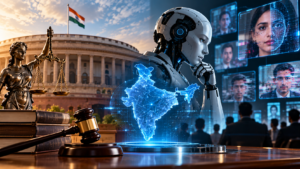
Keywords: AI Regulation India, AI Law India, Deepfake Rules, AI Agents India, Artificial Intelligence Regulation
Artificial Intelligence अब सिर्फ chatbot या image-generation tool तक सीमित नहीं है। AI agents खुद decisions ले सकते हैं, software चला सकते हैं और real-world workflows execute कर सकते हैं, जबकि generative AI की मदद से deepfake videos, synthetic voices और misleading content बनाना भी पहले से आसान हो गया है।
इसी बदलते landscape के बीच India अब अपने AI governance framework को और मजबूत करने की तैयारी में है। Union IT Minister Ashwini Vaishnaw ने October 2026 में कहा कि सरकार करीब एक महीने के भीतर AI regulation पर consultation paper लाने की तैयारी कर रही है। इसमें AI safety, deepfakes, agentic AI, inclusivity और liability जैसे मुद्दों पर focus रहने की संभावना है।
AI Regulation की जरूरत अभी क्यों महसूस हो रही है?
कुछ समय पहले तक सरकार का approach यह था कि existing laws और regulations AI से पैदा होने वाली कई समस्याओं से निपटने के लिए पर्याप्त हो सकते हैं। लेकिन AI models की capabilities तेजी से बढ़ने के साथ यह सवाल ज्यादा महत्वपूर्ण हो गया है कि अगर AI से नुकसान होता है तो जिम्मेदारी किसकी होगी?
Developer की, AI platform की, उस AI को deploy करने वाली company की या final user की?
India की 2026 AI Governance Guidelines में भी accountability को major challenge माना गया है। Guidelines ने AI value chain में developers, deployers और users की liability को ज्यादा clearly define करने की जरूरत बताई है।
Deepfake बन चुका है सबसे visible AI Risk
AI regulation की चर्चा में deepfake सबसे बड़ा concern बनकर सामने आया है।
Synthetic video, cloned voice और AI-generated images का इस्तेमाल misinformation, impersonation, fraud और harassment के लिए किया जा सकता है। Government ने February 2026 में IT Rules में amendments के जरिए synthetically generated information से जुड़े harms पर platforms की जिम्मेदारियां मजबूत की थीं।
इन provisions में unlawful AI-generated content को रोकने के लिए technical measures, permissible AI-generated content की clear labelling और traceable metadata, तथा stronger platform due diligence जैसे requirements शामिल हैं।
इसका मतलब यह है कि India ने deepfake regulation की दिशा में पहला कदम पहले ही उठा लिया है। अब proposed consultation का बड़ा सवाल यह होगा कि क्या existing rules को और मजबूत किया जाए या AI के लिए अलग comprehensive legal framework बनाया जाए।
AI Agents ने Regulation को और Complex बना दिया है
Traditional chatbot आमतौर पर user के सवाल का जवाब देता है।
लेकिन Agentic AI इससे आगे जा सकता है।
AI agent को अगर किसी system का access और permissions मिल जाएं, तो वह multiple steps खुद execute कर सकता है—जैसे information collect करना, software tools use करना, decisions लेना या किसी business workflow को आगे बढ़ाना।
यहीं से autonomy का सवाल आता है।
अगर किसी AI agent ने गलत decision लिया और उससे financial loss, privacy breach या कोई दूसरा नुकसान हुआ, तो liability किसकी होगी?
The Indian Express के अनुसार सरकार AI agents की autonomy पर limits और consent-based frameworks जैसे options पर विचार कर रही है। High-risk AI applications के लिए regulatory sandboxes की संभावना भी चर्चा में है।
AI Freedom vs AI Regulation
India के सामने सबसे बड़ा policy challenge यही balance है।
एक तरफ ज्यादा regulation innovation को slow कर सकता है। Startups और developers को compliance cost बढ़ने का डर हो सकता है।
दूसरी तरफ बिना adequate safeguards के highly autonomous AI systems और deepfake technology का misuse बढ़ सकता है।
इसलिए India का emerging approach “innovation को रोकना नहीं, लेकिन high-risk applications के लिए proportionate safeguards बनाना” दिखाई देता है।
India की AI Governance Guidelines भी principle-based और innovation-aligned governance की बात करती हैं, जिसमें risk-based regulation, technical safeguards और regulatory sandboxes जैसे mechanisms पर जोर है।
Liability सबसे बड़ा Legal Question क्यों है?
मान लीजिए किसी company ने एक AI agent deploy किया और agent ने गलत information के आधार पर कोई automated action ले लिया।
क्या company responsible होगी?
या AI developer?
या उस employee की responsibility होगी जिसने agent को permission दी?
Current digital laws में intermediary liability के concepts मौजूद हैं, लेकिन autonomous AI systems के लिए responsibility का framework ज्यादा complicated हो सकता है।
इसीलिए government AI liability framework पर भी काम कर रही है। Reports के अनुसार दो legal experts से अलग-अलग draft liability frameworks तैयार करने को कहा गया है।
India के पास अब AI Governance का Institutional Setup भी है
यह सिर्फ एक consultation exercise नहीं है।
2026 में government ने AI Governance and Economic Group (AIGEG) बनाया है, जो national AI governance strategy को coordinate करने वाला high-level inter-ministerial body है।
इसके साथ Technology and Policy Expert Committee (TPEC) को technical, policy और strategic inputs देने की जिम्मेदारी दी गई है। Government ने AI safety research और emerging risks के assessment के लिए AI Safety Institute की दिशा में भी institutional framework तैयार किया है।
इससे संकेत मिलता है कि India AI regulation को केवल एक नए कानून के रूप में नहीं, बल्कि technology + policy + safety + accountability के combined framework के रूप में देख रहा है।
क्या India में अलग AI Law आएगा?
अभी इसे confirmed नहीं माना जा सकता।
Government की current direction यह है कि consultation के जरिए stakeholders से feedback लिया जाए और existing laws में gaps identify किए जाएं।
Future framework में कुछ areas पर ज्यादा clarity आ सकती है:
- AI-generated content की labelling
- Deepfake और impersonation के लिए stronger safeguards
- AI agents की autonomy और permissions
- High-risk AI के लिए regulatory sandbox
- Developers और deployers की liability
- AI safety testing और audits
- User consent और transparency
- Grievance redressal
- AI systems के लिए cybersecurity standards
लेकिन consultation paper या proposed framework को final AI law समझना अभी सही नहीं होगा।
India के AI Future के लिए यह Turning Point क्यों है?
India एक तरफ AI adoption और indigenous AI ecosystem को aggressively expand करना चाहता है, वहीं दूसरी तरफ misuse और uncontrolled autonomous systems से जुड़े risks को भी manage करना चाहता है।
इसलिए आने वाला regulatory framework केवल यह तय नहीं करेगा कि AI क्या कर सकता है, बल्कि यह भी तय कर सकता है कि AI से होने वाले नुकसान की responsibility किसकी होगी।
Deepfake से लेकर AI agents तक, अगली regulatory debate technology को रोकने की नहीं बल्कि trust, accountability और innovation के बीच सही balance बनाने की होगी।
Bottom Line
India अब AI regulation की discussion से आगे बढ़कर AI governance architecture बनाने की दिशा में जा रहा है।
Deepfake के लिए platform accountability, AI agents के लिए autonomy limits, high-risk applications के लिए safeguards और liability की clarity—ये आने वाले framework के सबसे important pillars हो सकते हैं।
लेकिन final rules आने तक businesses, startups और AI developers को existing IT rules और applicable laws का compliance जारी रखना होगा।
India के लिए असली challenge AI को regulate करना नहीं, बल्कि ऐसा framework बनाना है जिसमें innovation तेज रहे और AI पर public trust भी बना रहे।