India का AI Data Centre Boom: क्या सिर्फ GPUs और बिजली से AI Superpower बन जाएगा?
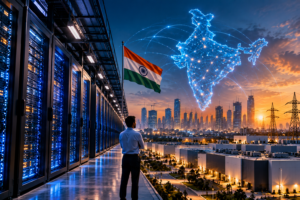
Location: New Delhi, India
India में Artificial Intelligence को लेकर अगली बड़ी race अब सिर्फ AI models या chatbots की नहीं है। असली competition धीरे-धीरे compute, GPUs, data centres, electricity, semiconductors और AI infrastructure की तरफ shift हो रही है।
देश में data-centre capacity तेजी से बढ़ रही है और global hyperscalers तथा technology companies India में बड़े infrastructure investments कर रही हैं। Reuters के मुताबिक India का data-centre market 2029 तक करीब चार गुना होने की उम्मीद है और global hyperscale firms की तरफ से $50 billion से ज्यादा investment का अनुमान है।
लेकिन इसी growth के बीच एक बड़ा सवाल सामने आता है:
क्या India सिर्फ दुनिया की AI companies के लिए compute infrastructure बनाएगा, या इस infrastructure के ऊपर अपना पूरा AI ecosystem भी खड़ा करेगा?
क्योंकि AI superpower बनने के लिए सिर्फ हजारों GPUs और विशाल data centres काफी नहीं हैं।
India में AI Data Centre Boom कितना बड़ा है?
India का data-centre infrastructure पिछले कुछ वर्षों में तेजी से expand हुआ है।
सरकारी आंकड़ों के अनुसार देश की total data-centre capacity 2020 के करीब 375 MW से बढ़कर 2025 में लगभग 1,500 MW हो गई थी। 2026 में installed capacity करीब 1,575 MW तक पहुंचने की जानकारी दी गई है।
AI के बढ़ते workloads के कारण यह demand और बढ़ सकती है।
Large Language Models की training और inference के लिए traditional servers की तुलना में कहीं ज्यादा computing power चाहिए। यही कारण है कि AI infrastructure में GPU clusters, high-speed networking, advanced cooling और uninterrupted power supply की demand बढ़ रही है।
IndiaAI Mission के तहत shared compute capacity भी लगातार expand हुई है। June 2026 तक IndiaAI Mission की shared capacity 45,000+ GPUs तक पहुंच चुकी थी। अगस्त तक 237 projects subsidised AI computing का इस्तेमाल कर चुके थे।
यानी India अब सिर्फ AI software consume करने वाला market नहीं रहना चाहता।
वह AI compute infrastructure का भी बड़ा hub बनना चाहता है।
लेकिन AI के लिए सिर्फ GPU होना पर्याप्त क्यों नहीं?
एक AI ecosystem को एक pyramid की तरह समझा जा सकता है।
सबसे नीचे:
Electricity + Data Centres
उसके ऊपर:
GPUs + Networking + Cooling
फिर:
Data + Cloud + AI Software
उसके ऊपर:
Foundation Models + Applications
और सबसे ऊपर:
Intellectual Property + Global Products
अगर India केवल पहले दो layers में मजबूत बनता है, तो वह AI infrastructure provider तो बन सकता है।
लेकिन AI technology leader बनने के लिए ऊपर की layers पर भी control जरूरी होगा।
यही असली challenge है।
Data Centre के पीछे सबसे बड़ा सवाल: बिजली
AI data centres को सामान्य office buildings की तरह electricity नहीं चाहिए।
High-density GPU clusters लगातार enormous power consume कर सकते हैं। इसलिए data-centre expansion के साथ power generation, transmission और grid capacity भी critical बन जाती है।
इसी वजह से NITI Aayog के Frontier Tech Hub ने data-centre policy को लेकर electricity और water availability पर ज्यादा strict evaluation की जरूरत बताई है।
प्रस्तावित framework के अनुसार developers को यह demonstrate करना चाहिए कि जिस area में data centre बन रहा है वहां पर्याप्त grid capacity उपलब्ध है और जरूरी infrastructure upgrades किए गए हैं।
इसका मतलब है कि आने वाले समय में AI infrastructure की race केवल:
“किसके पास ज्यादा GPUs हैं?”
तक सीमित नहीं रहेगी।
सवाल होगा:
“किसके पास reliable, affordable और sustainable power है?”
पानी भी बन सकता है AI Infrastructure का बड़ा issue
Data centres में cooling के लिए water की जरूरत हो सकती है।
जैसे-जैसे high-density AI compute बढ़ेगा, cooling infrastructure भी ज्यादा महत्वपूर्ण होगा।
यही कारण है कि India में data-centre expansion को लेकर environmental questions भी उठ रहे हैं।
NITI Aayog के recommendations में water availability, renewable energy और local economic benefits को भी data-centre approvals और incentives से जोड़ने की बात सामने आई है।
इसका असर खासकर उन राज्यों में महत्वपूर्ण होगा जहां पानी या electricity resources पहले से stressed हैं।
यानी future AI policy में:
Compute + Power + Water + Environment
चारों को साथ देखना पड़ेगा।
क्या India सिर्फ foreign AI companies का infrastructure partner बन रहा है?
यह सबसे important debate है।
India में Amazon, Google, Microsoft, Oracle और दूसरी global technology companies cloud और data-centre infrastructure expand कर रही हैं।
यह investment भारत के लिए positive है क्योंकि इससे jobs, cloud capacity, connectivity और digital infrastructure बढ़ता है।
लेकिन दूसरी तरफ एक strategic question भी है:
अगर foreign companies India में GPUs और data centres लगाएंगी, लेकिन सबसे important AI models, chips, software platforms और intellectual property बाहर से आएंगे, तो value chain का सबसे profitable हिस्सा किसके पास रहेगा?
यही वह point है जहां infrastructure growth और technological sovereignty अलग-अलग चीजें बन जाती हैं।
IndiaAI Mission सिर्फ Data Centre बनाने की कोशिश नहीं कर रहा
यह कहना भी सही नहीं होगा कि India केवल data-centres पर focus कर रहा है।
Government की IndiaAI strategy में compute के साथ indigenous foundation models, datasets, startup ecosystem और AI research को भी शामिल किया गया है।
IndiaAI Mission को ₹10,371.92 crore के outlay के साथ overall AI ecosystem बनाने के लिए शुरू किया गया था।
2026 में सरकार ने बताया कि 20 indigenous foundation model proposals select किए गए हैं, जिनमें 12 Large Multimodal Models और 8 Small Language Models शामिल हैं।
AI Kosh में भी हजारों datasets और hundreds of AI models उपलब्ध कराए जा रहे हैं, ताकि Indian developers और researchers के लिए data layer मजबूत हो सके।
इसलिए India की strategy केवल:
“Build more data centres.”
नहीं है।
Long-term goal:
“Build an AI ecosystem.”
है।
लेकिन Models की race अभी भी आसान नहीं है
यहां India के सामने सबसे बड़ा challenge है।
OpenAI, Google, Anthropic, Meta और दूसरी global companies के frontier models को train करने में enormous capital और compute resources लगते हैं।
CRISIL के analysis के अनुसार January 2022 से June 2026 के बीच tracked Indian AI capital का लगभग आधा हिस्सा infrastructure layer—खासकर GPU clouds और compute capacity—में गया।
इससे एक interesting picture सामने आती है।
India के पास infrastructure opportunity बहुत बड़ी है।
लेकिन foundation models में competition कहीं ज्यादा expensive और risky है।
इसलिए India को शायद हर frontier model की copy बनाने के बजाय India-specific problems और languages में strategic advantage तलाशना होगा।
Indian Languages बन सकती हैं बड़ा Advantage
India की सबसे बड़ी AI opportunity सिर्फ English-language models नहीं हैं।
Hindi, Tamil, Telugu, Bengali, Marathi, Kannada, Malayalam, Punjabi और दूसरी Indian languages में high-quality AI systems की demand आने वाले वर्षों में तेजी से बढ़ सकती है।
अगर Indian companies ऐसे models और AI agents बनाती हैं जो local languages, Indian regulations, Indian businesses और Indian datasets को बेहतर समझते हों, तो यह global frontier models के साथ competition का एक अलग रास्ता हो सकता है।
यहीं indigenous models का महत्व बढ़ता है।
Chips के बिना AI Sovereignty अधूरी रहेगी
AI ecosystem का सबसे कठिन हिस्सा शायद semiconductor layer है।
आज के advanced AI workloads largely specialised processors पर depend करते हैं। India GPU design, chip design और semiconductor manufacturing में capabilities build करने की कोशिश कर रहा है, लेकिन global supply chain अभी भी heavily concentrated है।
Government ने India Semiconductor Mission और related initiatives के जरिए chip fabrication, packaging और design ecosystem को expand करने की कोशिश की है।
हालिया DRDO-linked discussions में भी semiconductor self-reliance को strategic technology और national security से जोड़ा गया है।
इसका मतलब साफ है:
AI race और semiconductor race अब अलग-अलग नहीं हैं।
जिस देश के पास AI compute है लेकिन advanced chip supply पर control नहीं है, उसकी strategic autonomy सीमित रह सकती है।
India के लिए सबसे बड़ा opportunity: “AI Infrastructure + IT Services”
India के पास एक ऐसी advantage है जो कई देशों के पास नहीं है—एक विशाल IT services ecosystem।
TCS, Infosys, HCLTech, Wipro जैसी companies के पास global enterprise clients, engineering talent और decades-long technology relationships हैं।
अगर data-centre infrastructure को Indian IT services, AI agents और enterprise software के साथ जोड़ा जाए, तो India केवल compute provider नहीं बल्कि AI transformation hub बन सकता है।
यही कारण है कि Indian IT companies अब AI agents और enterprise transformation पर ज्यादा focus कर रही हैं।
Future model कुछ ऐसा हो सकता है:
Data Centre → Compute → AI Model → AI Agent → Enterprise Workflow → Business Outcome
अगर India इस पूरी chain में value capture करने लगे, तो opportunity सिर्फ data-centre rental तक सीमित नहीं रहेगी।
AI Data Centres Indian Economy को कैसे बदल सकते हैं?
अगर सही तरीके से develop किया गया, तो AI infrastructure कई industries को indirectly benefit कर सकता है।
Power
Data-centre demand electricity generation और grid investment को बढ़ा सकती है।
Manufacturing
Servers, networking equipment, cooling systems और semiconductor ecosystem को boost मिल सकता है।
Construction
Large-scale data-centre projects real estate, engineering और infrastructure companies के लिए opportunities पैदा कर सकते हैं।
IT Services
AI migration, cloud transformation और AI-agent deployment की demand बढ़ सकती है।
Startups
Affordable GPU access छोटे AI startups के लिए entry barrier कम कर सकता है।
Research
Universities और research institutions को high-performance computing का access मिल सकता है।
इसलिए AI data centre सिर्फ एक building नहीं है।
यह एक पूरा economic ecosystem create कर सकता है।
लेकिन एक बड़ा risk भी है: “Infrastructure Bubble”
AI infrastructure में तेजी से investment का मतलब यह नहीं कि हर project profitable होगा।
Data centres में enormous upfront capital expenditure होता है।
GPU technology तेजी से बदल रही है।
Power costs बढ़ सकते हैं।
Cooling requirements बदल सकती हैं।
और सबसे महत्वपूर्ण—AI demand के estimates हमेशा सही साबित हों, यह जरूरी नहीं।
Reuters ने भी Indian AI-linked infrastructure stocks में तेजी के साथ valuation risks को highlight किया है।
अगर global AI spending में slowdown आता है, तो जिन companies ने बहुत ज्यादा capacity पहले से बना ली है, उनके returns पर pressure आ सकता है।
इसलिए:
AI infrastructure boom ≠ guaranteed AI profits
असली सवाल: India क्या बनाना चाहता है?
यही इस पूरी story का सबसे महत्वपूर्ण हिस्सा है।
India के पास तीन रास्ते हो सकते हैं।
पहला — AI Infrastructure Hub
दुनिया की companies India में data centres बनाएंगी और India global compute destination बनेगा।
दूसरा — AI Services Hub
India infrastructure के ऊपर AI engineering, agents और enterprise transformation services का बड़ा ecosystem बनाएगा।
तीसरा — Full AI Ecosystem
India compute के साथ:
Chips + Models + Data + Software + AI Agents + IP + Talent
की पूरी value chain में अपनी position मजबूत करेगा।
तीसरा रास्ता सबसे मुश्किल है।
लेकिन long-term strategic value भी सबसे ज्यादा इसी में है।
क्या India AI Superpower बन सकता है?
India के पास कुछ महत्वपूर्ण advantages हैं:
Large digital population
Strong IT talent
Huge enterprise market
Growing data-centre infrastructure
Government-backed AI programmes
Expanding semiconductor ecosystem
Multiple AI startups
लेकिन challenges भी उतने ही बड़े हैं:
GPU dependency
Semiconductor supply-chain dependence
High energy requirements
Water and environmental constraints
Limited frontier-model capital
AI research और commercialisation के बीच gap
इसलिए AI superpower बनने के लिए सिर्फ investment numbers दिखाना पर्याप्त नहीं होगा।
Conclusion: GPU से शुरुआत होगी, लेकिन AI Superpower बनने के लिए उससे बहुत आगे जाना होगा
India का AI data-centre boom एक बड़ा economic opportunity है।
45,000+ shared GPUs, 1,500 MW से ज्यादा data-centre capacity और global hyperscalers की बढ़ती investments दिखाती हैं कि India AI infrastructure race में तेजी से आगे बढ़ रहा है।
लेकिन असली test infrastructure की quantity नहीं होगी।
असली test होगा:
क्या India इस compute के ऊपर अपना technology value chain बना पाता है?
अगर India केवल GPUs और data centres बनाता है, तो वह global AI infrastructure का महत्वपूर्ण market बन सकता है।
लेकिन अगर वह उसी infrastructure के ऊपर Indian foundation models, semiconductor capabilities, AI software, agents, datasets और intellectual property खड़ा करता है, तो कहानी पूरी तरह अलग होगी।
तब India सिर्फ AI को host नहीं करेगा।
India AI की value chain में अपनी जगह तय करेगा।
और शायद आने वाले दशक का सबसे बड़ा सवाल यही होगा:
क्या India दुनिया का AI Data Centre बनेगा, या दुनिया के AI Ecosystem का एक महत्वपूर्ण निर्माता भी बनेगा?