Marco Rubio–Jaishankar Meeting: India-US Relationship अब Defence से आगे Energy और AI तक क्यों पहुंच गया?
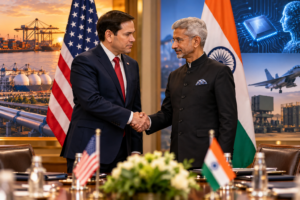
Location: Mumbai, Maharashtra
India-US relationship लंबे समय से defence और strategic security partnership के लिए जाना जाता रहा है। लेकिन 20 October 2026 को Mumbai में US Secretary of State Marco Rubio और External Affairs Minister S. Jaishankar की बातचीत ने bilateral relationship के एक नए dimension को सामने ला दिया है।
इस meeting के agenda में सिर्फ defence नहीं, बल्कि energy, trade, investment, critical and emerging technologies भी शामिल हैं। ऐसे समय में जब India और US एक proposed trade deal को finalise करने की कोशिश कर रहे हैं और Russian oil को लेकर Washington की policy भी बदल रही है, Rubio की India visit को सिर्फ diplomatic engagement मानना मुश्किल है।
बड़ा सवाल यही है:
क्या India-US partnership अब security alliance से आगे बढ़कर एक economic, energy और technology architecture बन रही है?
Mumbai में Rubio–Jaishankar meeting क्यों महत्वपूर्ण है?
Marco Rubio आज Mumbai पहुंचे हैं और Jaishankar के साथ उनकी bilateral meeting India-US Comprehensive Global Strategic Partnership को आगे बढ़ाने पर केंद्रित है।
MEA के अनुसार discussions में energy, trade and investment, defence तथा critical and emerging technologies जैसे मुद्दे शामिल हैं। दोनों पक्ष regional और global developments पर भी विचार-विमर्श कर रहे हैं।
इस meeting की timing भी महत्वपूर्ण है।
India और US के बीच proposed bilateral trade agreement पर negotiations चल रही हैं। Rubio ने India पहुंचने से पहले कहा कि दोनों देश trade deal को finalise करने के काफी करीब हैं। Jaishankar भी negotiations को earlier “landing point” के करीब बता चुके हैं।
इसलिए Mumbai meeting का एक बड़ा objective diplomatic relationship को economic relationship में और मजबूत करना है।
Trade Deal: बातचीत का सबसे बड़ा economic pressure point
India-US trade relationship पिछले कुछ समय से tariffs और market-access issues के कारण pressure में रहा है।
दोनों देशों के बीच proposed trade pact का उद्देश्य tariff differences, non-tariff barriers और market access से जुड़े मुद्दों को address करना है।
India चाहता है कि उसके exporters को US market में competitive access मिले, जबकि Washington Indian market में greater access और कुछ policy changes पर जोर देता रहा है।
अब Rubio का यह कहना कि negotiations final stage के करीब हैं, संकेत देता है कि दोनों sides किसी workable compromise की तलाश में हैं।
लेकिन trade deal सिर्फ exports और imports का मामला नहीं है।
इसके पीछे energy, investment, technology और supply chains का भी बड़ा equation है।
Russian Oil ने बदल दिया Energy Equation
India-US relationship में energy इस समय शायद सबसे complicated issue है।
India अभी भी Russian crude का बड़ा importer है। दूसरी तरफ Washington Russia पर economic pressure बनाए रखने की कोशिश कर रहा है।
हाल ही में US President Donald Trump ने Indian imports पर Russian oil से जुड़े संभावित tariff pressure को temporarily delay किया। Reuters के अनुसार Rubio की India visit के दौरान Russian oil और India की energy purchases भी महत्वपूर्ण discussion points हैं।
Rubio ने यह भी संकेत दिया है कि India को Russian energy से दूर करने की प्रक्रिया overnight नहीं हो सकती।
यही India की negotiating position को मजबूत करता है।
New Delhi का argument broadly यह रहा है कि energy security और affordable supplies को geopolitical pressure के साथ balance करना जरूरी है।
US Energy India के लिए कितना महत्वपूर्ण हो सकता है?
India की economy और middle class के expansion के साथ energy demand लगातार बढ़ रही है।
इस situation में India के लिए एक diversified energy basket महत्वपूर्ण है:
Russia + Gulf + US + domestic sources + renewables
Indian Express की report के मुताबिक US energy supplies Indian demand को Russian और Gulf supplies के साथ supplement कर सकती हैं।
यानी India के लिए US केवल strategic partner नहीं बल्कि संभावित long-term energy supplier भी बन सकता है।
और यही वजह है कि Rubio का Mumbai के बाद Jamnagar जाना खास महत्व रखता है।
Jamnagar Visit: Diplomacy से Business तक
Rubio बुधवार को Gujarat के Jamnagar जाने वाले हैं, जहां Reliance Industries का विशाल refining complex स्थित है।
यह visit India-US relationship में government-to-government diplomacy से आगे बढ़कर corporate and investment diplomacy को भी दिखाती है।
Rubio की India visit के दौरान Indian business leaders के साथ engagement की भी योजना है। Reports में Mukesh Ambani, Gautam Adani और N. Chandrasekaran जैसे प्रमुख business leaders के साथ interactions का उल्लेख है।
इसका message काफी clear है:
India-US relationship अब सिर्फ Washington और New Delhi के बीच नहीं है।
इसका एक बड़ा हिस्सा Mumbai, Gujarat और India’s private sector के साथ भी जुड़ रहा है।
Defence से आगे Technology Partnership
India-US defence relationship पिछले दो दशकों में काफी मजबूत हुआ है।
लेकिन अब अगला frontier critical and emerging technologies है।
Artificial Intelligence, advanced computing, semiconductors, telecommunications, cyber security और resilient supply chains जैसे areas आने वाले वर्षों में economic और strategic power दोनों तय करेंगे।
Indian Express के अनुसार दोनों sides technology cooperation और supply-chain resilience पर चर्चा कर सकती हैं, खासकर ऐसे समय में जब China ने कुछ critical technologies के export controls को expand करने के संकेत दिए हैं।
इसका मतलब है कि technology अब सिर्फ business sector का issue नहीं रह गई है।
यह national security issue भी बन चुकी है।
AI और Critical Technology में India-US क्यों साथ आ सकते हैं?
AI ecosystem के लिए तीन चीजें बेहद महत्वपूर्ण हैं:
Compute
Chips
Data & Software
US के पास advanced AI models, semiconductor technology और global technology companies की बड़ी ecosystem advantage है।
India के पास large engineering talent pool, digital public infrastructure और rapidly expanding technology market है।
दोनों strengths को combine करने पर एक powerful technology partnership बन सकती है।
इसलिए emerging technology cooperation का scope सिर्फ AI applications तक सीमित नहीं रहेगा।
इसमें semiconductor supply chains, cybersecurity, cloud infrastructure, advanced manufacturing और defence technologies भी शामिल हो सकते हैं।
China Factor को नजरअंदाज नहीं किया जा सकता
India-US technology partnership का एक geopolitical dimension भी है।
China global supply chains और critical technologies में अपनी position मजबूत कर रहा है।
हाल ही में China ने AI, solar manufacturing और biotechnology सहित कई technologies को export-control framework में शामिल करने के लिए draft proposal जारी किया। इससे global technology supply chains में uncertainty बढ़ सकती है।
ऐसे environment में India और US दोनों के लिए resilient supply chains महत्वपूर्ण हैं।
India के लिए इसका फायदा यह हो सकता है कि वह China-plus-one manufacturing और technology ecosystem में अपनी position मजबूत करे।
US के लिए India एक बड़ा alternative production और technology partner बन सकता है।
Defence में अगला सवाल: Technology Transfer
India लंबे समय से defence deals में सिर्फ finished platforms खरीदने के बजाय technology transfer और domestic manufacturing पर जोर देता रहा है।
Rubio–Jaishankar talks में defence sales और co-production की possibilities भी चर्चा में रहने की उम्मीद है।
Indian Express के अनुसार air और maritime domains में cooperation, technology transfer और Make in India को US defence purchases में incorporate करने जैसे मुद्दे सामने आ सकते हैं।
अगर यह model आगे बढ़ता है, तो India-US defence relationship का next phase सिर्फ buyer-seller relationship नहीं होगा।
यह हो सकता है:
US Technology + Indian Manufacturing + Joint Production
और यही India की strategic autonomy के लिए ज्यादा महत्वपूर्ण model होगा।
लेकिन Relationship में Friction भी खत्म नहीं हुआ है
इतनी positive agenda के बावजूद India-US relationship completely friction-free नहीं है।
Trade tariffs, immigration policy, H-1B issues और skilled Indian professionals की mobility जैसे मुद्दे bilateral relationship में तनाव पैदा कर चुके हैं।
Moneycontrol के अनुसार US immigration policies और H-1B fee changes ने भी relations पर pressure डाला है।
इसलिए Rubio की visit का उद्देश्य केवल नए agreements बनाना नहीं है।
एक बड़ा objective existing disagreements को manage करना भी है।
Mumbai क्यों चुना गया?
इस visit का Mumbai venue भी symbolic और economic दोनों तरह से महत्वपूर्ण है।
Delhi traditionally diplomatic capital है, लेकिन Mumbai India’s financial और corporate capital है।
MEA ने कहा है कि पिछले एक दशक में foreign dignitaries के साथ Delhi के बाहर भी high-level meetings आयोजित करने की practice रही है।
लेकिन Rubio के case में Mumbai का economic importance अलग है।
यहां India’s major financial institutions, corporate headquarters और investment ecosystem मौजूद हैं।
इसलिए message केवल diplomatic नहीं बल्कि business-oriented भी है।
India-US Relationship का अगला Phase कैसा हो सकता है?
अगर current negotiations सफल होती हैं, तो India-US relationship का अगले कुछ वर्षों का architecture पांच major pillars पर खड़ा हो सकता है:
1. Trade
Tariffs और market access को लेकर बड़ा bilateral framework।
2. Energy
US energy supplies, diversification और strategic energy security।
3. Technology
AI, semiconductors, cybersecurity और emerging technologies।
4. Defence
Co-production, technology transfer और Make in India।
5. Supply Chains
China-dependent supply chains के alternative के रूप में India की भूमिका।
यानी partnership का focus सिर्फ “security against threats” से बदलकर “economic and technological resilience” की तरफ जा सकता है।
क्या India को इसका सबसे बड़ा फायदा मिल सकता है?
India के लिए opportunity काफी बड़ी है।
अगर US investment और technology access बढ़ता है, तो इससे manufacturing, semiconductor ecosystem, defence production और AI infrastructure को फायदा मिल सकता है।
लेकिन India के लिए challenge भी उतना ही बड़ा है।
उसे यह सुनिश्चित करना होगा कि foreign technology और capital का फायदा केवल imports बढ़ाने तक सीमित न रहे।
अगर technology transfer, domestic manufacturing और Indian intellectual property creation साथ-साथ बढ़ती है, तभी India इस partnership से long-term strategic advantage हासिल कर पाएगा।
Conclusion: Defence से आगे बढ़ती Partnership
Marco Rubio और S. Jaishankar की Mumbai meeting को सिर्फ एक diplomatic meeting के रूप में देखना शायद इस development की पूरी तस्वीर नहीं दिखाता।
इसके पीछे एक बड़ा economic और geopolitical transition दिखाई दे रहा है।
Energy में diversification, trade deal, defence co-production, AI और critical technologies, supply-chain resilience और private-sector investment—ये सभी अब India-US relationship के interconnected हिस्से बनते जा रहे हैं।
India के लिए challenge यह है कि वह US के साथ partnership को अपनी strategic autonomy के साथ balance करे।
और US के लिए challenge यह है कि India को केवल strategic partner नहीं बल्कि long-term economic, technology और energy partner के रूप में treat करे।
अगर दोनों देश इस balance को हासिल कर लेते हैं, तो India-US relationship का अगला phase शायद सिर्फ Defence Partnership नहीं होगा।
यह एक Energy + Technology + Trade + Defence + Investment Partnership बन सकता है।
और 20 October की Mumbai meeting उसी transition का एक महत्वपूर्ण संकेत हो सकती है।