Delhi Student Protest पर High Court का France Riots Reference: Protest कब Law & Order Crisis बन जाता है?
Location: New Delhi, Delhi
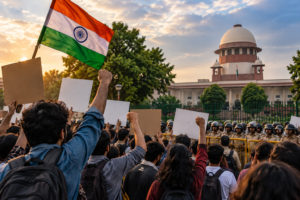
Delhi में Cockroach Janta Party (CJP) और student groups से जुड़े protests अब सिर्फ political mobilisation का मामला नहीं रह गए हैं। पिछले कुछ दिनों में demonstrations, detentions, Jantar Mantar की protest-site status, Connaught Place mobilisation और अदालतों में चल रही legal proceedings ने right to protest बनाम public order की पुरानी बहस को फिर केंद्र में ला दिया है।
21 October 2026 को Delhi High Court में CJP leaders Saurav Das और Ashutosh Ranka से जुड़े मामले की सुनवाई के दौरान court ने France में चल रहे student protests का reference दिया। Court ने कहा कि वहां student demonstrations आगे चलकर arson और looting में बदल गए। इस reference के जरिए broader सवाल सामने आया—एक democratic protest को regulate करने की जरूरत कब पैदा होती है और peaceful dissent कब law-and-order concern बन सकता है?
हालांकि, France का reference CJP के protest को violent घोषित करने वाला finding नहीं था। यह court की broader concern थी कि बड़े demonstrations में escalation को authorities किस तरह prevent करें।
CJP case आखिर है क्या?
CJP leaders Saurav Das और Ashutosh Ranka को Delhi Police ने October में Jantar Mantar से जुड़े protest के दौरान custody में लिया था।
Reports के मुताबिक दोनों पर उस site में प्रवेश करने और protest restrictions का उल्लंघन करने के आरोप हैं। Jantar Mantar को designated protest site की सूची से हटाए जाने के बावजूद protesters वहां पहुंचने की कोशिश कर रहे थे।
इसके बाद दोनों को judicial custody में भेजा गया और उनकी custody को लेकर legal challenge Delhi High Court तक पहुंचा।
21 October को सामने आई latest reporting के मुताबिक दोनों ने अपनी custody-extension challenge वाली plea वापस ले ली। इससे पहले उनकी legal team ने continued detention और sureties से जुड़े procedural issues को challenge किया था।
यानी मामला केवल protest politics का नहीं रहा; अब यह personal liberty, preventive detention और public order जैसे constitutional questions से भी जुड़ गया है।
Delhi HC ने France का example क्यों दिया?
France का reference इस पूरे case का सबसे interesting हिस्सा है।
Court के सामने argument यह था कि protests को regulate करना केवल protesters को रोकने के लिए नहीं होता। Large public gatherings में दूसरे लोग भी शामिल हो सकते हैं और situation rapidly change हो सकती है।
इसी context में court ने France के student protests का उदाहरण दिया, जहां demonstrations reportedly arson और looting तक पहुंच गए।
इस observation का larger meaning यह है कि authorities के लिए challenge केवल यह तय करना नहीं है कि “protest allowed है या नहीं?”
असल challenge यह है:
“अगर protest allowed है, तो उसे peaceful और controlled कैसे रखा जाए?”
क्या Protest करना Constitutional Right है?
भारत में peaceful assembly और expression democratic rights का हिस्सा हैं।
लेकिन ये rights absolute नहीं हैं।
Public order, security, traffic movement, public safety और अन्य लोगों के rights को ध्यान में रखते हुए reasonable restrictions लगाए जा सकते हैं।
यही वजह है कि Delhi में protests को लेकर courts बार-बार एक balance की बात कर रहे हैं।
एक तरफ नागरिकों को peacefully dissent करने का अधिकार है।
दूसरी तरफ किसी demonstration की वजह से:
- roads पूरी तरह block हों,
- emergency movement प्रभावित हो,
- businesses बंद करने पड़ें,
- public property को नुकसान पहुंचे,
- police या दूसरे citizens की safety खतरे में पड़े,
तो authorities के पास intervention का आधार मजबूत हो सकता है।
Connaught Place protest ने debate को और बड़ा किया
CJP ने October 16 को Connaught Place के Central Park में protest का call दिया था।
Delhi High Court ने protest को रोकने से इनकार कर दिया था, लेकिन Delhi Police की यह assurance record की कि gathering को law के अनुसार regulate किया जाएगा।
यह order एक महत्वपूर्ण judicial approach दिखाता है।
Court ने सीधे यह नहीं कहा कि:
“Protest करो ही मत।”
बल्कि approach यह रही कि demonstration और public order दोनों को साथ manage किया जाए।
यही democratic protest के लिए एक practical model बन सकता है।
लेकिन Student Protest इतना sensitive क्यों है?
Student movements historically political change का बड़ा हिस्सा रहे हैं।
Students के पास traditional political parties जैसा organisational structure नहीं होता, लेकिन उनके पास:
social media + campus networks + youth mobilisation + digital storytelling
का combination होता है।
Delhi के हालिया protests में CJP supporters के साथ student organisations के members भी दिखाई दिए हैं। Earlier demonstrations में SFI, AISA और दूसरे student groups से जुड़े protesters को detain किए जाने की reports भी सामने आई थीं।
इसलिए यह सिर्फ एक political party का protest नहीं रह जाता।
यह सवाल youth politics और democratic participation तक पहुंच जाता है।
Youth Politics में Protest अब Digital भी है
आज protest केवल सड़क पर खड़े होकर slogan लगाने तक सीमित नहीं है।
एक demonstration के साथ:
- Instagram Reels
- YouTube videos
- X posts
- live streams
- WhatsApp groups
- short-form political content
भी simultaneously चल सकते हैं।
इसका फायदा यह है कि छोटा protest भी national conversation बन सकता है।
लेकिन risk भी उतना ही बड़ा है।
Unverified videos, edited clips और misleading posts किसी local confrontation को कुछ घंटों में national controversy में बदल सकते हैं।
Delhi Police ने हालिया CJP protests के दौरान social media content पर भी action लिया है। Indian Express की रिपोर्ट के अनुसार police ने कई social media handles के खिलाफ कार्रवाई की और alleged fabricated videos तथा false information से जुड़ी FIR भी दर्ज की।
इससे protest politics का एक नया dimension सामने आता है:
Street Protest + Social Media Protest
Supreme Court भी Public Order पर balance की बात कर चुका है
इस पूरे sequence में Delhi High Court अकेली judicial institution नहीं है जो protest और public order के balance पर विचार कर रही है।
12 October को Supreme Court ने Delhi protests से जुड़े मामले में कहा था कि democratic activities smoothly चलनी चाहिए, लेकिन Supreme Court के functioning, lawyers, court staff और litigants की movement बाधित नहीं होनी चाहिए।
इससे judicial approach का broad principle समझ आता है:
Democracy में protest की जगह है, लेकिन दूसरे democratic institutions का functioning भी सुरक्षित रहना चाहिए।
France से India के लिए क्या lesson है?
France का example सीधे India पर लागू नहीं किया जा सकता।
हर देश का political system, policing structure, protest culture और constitutional framework अलग है।
लेकिन एक common lesson जरूर निकाला जा सकता है:
Large-scale protests को केवल force से control करना पर्याप्त नहीं है।
Authorities को simultaneously तीन चीजों पर काम करना पड़ता है:
1. Clear rules
कहां protest हो सकता है, कितने लोगों की अनुमति है और किन conditions में gathering होगी।
2. Proportionate policing
Peaceful protesters और genuinely violent actors के बीच distinction जरूरी है।
3. Dialogue
Political grievances को केवल law-and-order problem मानने के बजाय उनका political और institutional response भी होना चाहिए।
Protest कब Law & Order Crisis बनता है?
यही इस पूरी controversy का central question है।
एक peaceful protest में:
Slogans → speeches → banners → march → political demands
हो सकते हैं।
लेकिन अगर situation आगे बढ़कर:
violence → vandalism → arson → looting → obstruction → attacks
में बदलती है, तो state intervention का justification काफी मजबूत हो जाता है।
Problem तब पैदा होती है जब authorities पहले से ही peaceful protest और potential violence को एक ही category में देखने लगें।
इसलिए सबसे महत्वपूर्ण चीज है:
Evidence-based policing.
कौन peaceful है और कौन actual disruption कर रहा है—यह distinction democracy के लिए बेहद महत्वपूर्ण है।
CJP Case में असली constitutional debate क्या है?
CJP case कई अलग-अलग questions को एक साथ सामने ला रहा है:
क्या protest के लिए designated site की requirement जरूरी है?
क्या restricted location पर protest करना public-order offence बन सकता है?
Preventive custody की सीमा क्या होनी चाहिए?
Police restrictions कितनी proportionate होनी चाहिए?
और peaceful protester की liberty को कब restrict किया जा सकता है?
CJP leaders की legal challenge में भी personal liberty और custody procedure से जुड़े arguments उठाए गए थे।
इसलिए इस मामले का असर केवल CJP पर नहीं, बल्कि future protest movements के लिए भी महत्वपूर्ण हो सकता है।
क्या Delhi में Protest Politics का नया phase शुरू हो गया है?
पिछले कुछ हफ्तों में Delhi में protests का scale और political attention दोनों बढ़े हैं।
CJP और student organisations से जुड़े demonstrations के अलावा opposition parties और civil society groups भी अलग-अलग मुद्दों पर mobilisation कर रहे हैं।
October 16 को CJP के protest से पहले police ने security बढ़ाई और बड़ी संख्या में protesters को detain किया गया। Reuters ने भी CJP founder Abhijeet Dipke और student leaders सहित कई लोगों की detention report की थी।
यह बताता है कि Delhi अब केवल political headquarters की city नहीं है।
यह increasingly political protest laboratory भी बन रही है।
सबसे बड़ा सवाल: Democracy में Protest की Limit कौन तय करेगा?
इस controversy का सबसे कठिन सवाल यही है।
अगर state हर protest को public-order threat मानने लगे, तो peaceful dissent के लिए democratic space कम हो सकता है।
लेकिन अगर protest organisers public spaces, businesses, traffic और public institutions पर होने वाले impact को पूरी तरह ignore करें, तो public support कमजोर हो सकता है और government intervention का justification बढ़ सकता है।
इसलिए democratic protest का sustainable model शायद बीच में है:
Maximum freedom + minimum disruption.
Conclusion: Protest को रोकना नहीं, लोकतांत्रिक तरीके से Manage करना चुनौती है
Delhi High Court का France riots reference एक warning की तरह देखा जा सकता है, लेकिन इसे CJP protesters के खिलाफ final judgment समझना सही नहीं होगा।
Court का broader concern यह है कि बड़े demonstrations में situation तेजी से बदल सकती है और authorities को public order maintain करने की जिम्मेदारी निभानी पड़ती है।
दूसरी तरफ democratic society में dissent को केवल inconvenience या disruption के नाम पर खत्म नहीं किया जा सकता।
इसलिए आने वाले समय में Delhi की protest politics का सबसे बड़ा test यही होगा:
क्या youth और political movements अपनी आवाज ज्यादा प्रभावी तरीके से उठा पाएंगे, बिना protest को public-order crisis में बदलने दिए?
और दूसरी तरफ state के सामने भी उतना ही बड़ा सवाल रहेगा:
क्या वह peaceful dissent और genuine law-and-order threat के बीच फर्क बनाए रख पाएगा?
यही balance आने वाले समय में Delhi की protest politics और democratic space दोनों की दिशा तय कर सकता है।