Delhi में SIR के खिलाफ फिर बड़ा Protest: 150+ Detentions के बाद Voter Roll Politics क्यों नहीं रुक रही?
Location: New Delhi
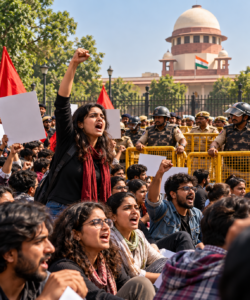
Delhi में Special Intensive Revision (SIR) को लेकर political और civil-society confrontation एक बार फिर तेज हो गया है। 23 October को “People Against SIR” platform के तहत protesters ने central Delhi से Election Commission of India (ECI) headquarters की ओर march करने की कोशिश की। Police ने protesters को रोक दिया और reports के अनुसार 150 से 200 लोगों को detain किया गया, जिन्हें करीब एक घंटे बाद release कर दिया गया।
यह सिर्फ एक protest नहीं है। इसके पीछे voter-list verification, alleged deletion of voters, Election Commission की credibility और आने वाले electoral battles को लेकर बढ़ता political trust deficit है।
सवाल अब यह है:
क्या SIR 2027 की politics में सिर्फ electoral-roll exercise रहेगा, या यह खुद एक बड़ा political issue बन चुका है?
आखिर Delhi में फिर सड़क पर क्यों उतरे लोग?
23 October को करीब 250 protesters “People Against SIR” platform के तहत central Delhi में जुटे। Protesters Election Commission headquarters की ओर बढ़ना चाहते थे।
March में students, farmers, activists और civil-society organisations के members शामिल थे। CPI(M) leader Brinda Karat, CPI leaders और कई student organisations के representatives भी protest में मौजूद थे।
Protesters की मुख्य मांगों में SIR को रोकना और Chief Election Commissioner Gyanesh Kumar के resignation की मांग शामिल रही।
उनका आरोप है कि voter-roll revision के दौरान eligible voters के नाम प्रभावित हुए हैं और electoral process में public trust कमजोर हुआ है।
हालांकि यह ध्यान रखना जरूरी है कि voter deletion से जुड़े protesters के आरोप और Election Commission की official position अलग-अलग हैं। इसलिए alleged deletion को proven electoral fraud के रूप में प्रस्तुत करना सही नहीं होगा।
150+ Detentions ने विवाद को और बड़ा क्यों कर दिया?
Police का कहना है कि protesters ने restricted routes पर traffic और movement को प्रभावित किया तथा warnings के बावजूद आगे बढ़ने की कोशिश की। इसके बाद detentions की गईं।
दूसरी तरफ protesters ने detentions को democratic protest के अधिकार पर सवाल के रूप में देखा।
Indian Express के अनुसार protest में करीब 300 participants शामिल हुए और police ने 150 से ज्यादा लोगों को detain किया। कई buses के जरिए detainees को अलग-अलग centres ले जाया गया और बाद में अधिकांश area को clear कराया गया।
यहीं से SIR debate का दूसरा dimension सामने आता है:
Voter-list reform के साथ-साथ protest और dissent की political space कितनी खुली रहेगी?
SIR अब सिर्फ Election Commission का administrative exercise नहीं रहा
SIR का मूल उद्देश्य electoral rolls को verify और update करना है।
लेकिन जब voter-list revision बड़े पैमाने पर political controversy का कारण बनता है, तो इसका असर administrative process से आगे निकल जाता है।
मतदाता के लिए सबसे basic सवाल होता है:
“क्या मेरा नाम voter list में है?”
अगर किसी voter को लगता है कि उसका नाम हट गया है, या verification process में उसे परेशानी हुई है, तो मामला सीधे electoral trust से जुड़ जाता है।
इसीलिए voter-roll revision जैसी exercise में transparency, documentation और grievance redressal बेहद महत्वपूर्ण हो जाते हैं।
Delhi में SIR की politics इतनी sensitive क्यों है?
Delhi national politics का major political centre है।
यहां Election Commission, Parliament, major political parties, national media और civil-society groups सभी मौजूद हैं।
इसलिए Delhi में होने वाला कोई भी electoral-roll protest जल्दी national political narrative बन सकता है।
23 October के protest में Delhi के अलावा Haryana और western Uttar Pradesh से भी participants पहुंचे थे।
इसका मतलब यह debate सिर्फ Delhi तक सीमित नहीं रह रही।
अगर दूसरे states में भी voter verification को लेकर dissatisfaction बढ़ता है, तो SIR national election discourse का हिस्सा बन सकता है।
क्या यह 2027 Politics का बड़ा मुद्दा बन सकता है?
संभावना जरूर है।
2027 में कई महत्वपूर्ण state elections होने हैं और electoral rolls naturally political parties के लिए बेहद sensitive विषय होंगे।
अगर opposition parties और civil-society groups SIR को “voter rights” के मुद्दे के रूप में लगातार campaign करते हैं, तो ruling side को voter verification की प्रक्रिया और उसके safeguards को ज्यादा aggressively explain करना पड़ सकता है।
दूसरी तरफ अगर verification process से genuinely ineligible names हटते हैं और eligible voters को proper correction mechanisms मिलते हैं, तो Election Commission इसे electoral-roll purification के रूप में defend कर सकता है।
यानी आने वाली politics में दो narratives आमने-सामने हो सकते हैं:
“Clean Electoral Rolls”
versus
“Protect Every Eligible Voter”
और दोनों के बीच की सबसे महत्वपूर्ण चीज होगी—transparency.
Protest अब Delhi से बाहर भी जाने की तैयारी में
यह movement केवल एक Delhi demonstration तक सीमित नहीं दिख रहा।
People Against SIR से जुड़े organisers ने 23 October से 1 November के बीच 88 cities और 18 states में demonstrations की योजना की बात कही है।
अगर यह mobilisation वास्तव में कई states में फैलती है, तो SIR controversy का political footprint काफी बड़ा हो सकता है।
Farmers, students, workers, civil-society groups और political activists का एक common platform पर आना भी महत्वपूर्ण है।
क्योंकि अलग-अलग social groups के लिए SIR का concern अलग हो सकता है—किसी के लिए documentation, किसी के लिए voting rights और किसी के लिए Election Commission की accountability।
पहले भी हो चुके हैं बड़े protests
23 October का protest isolated incident नहीं है।
इससे पहले October में भी Delhi में SIR और Chief Election Commissioner Gyanesh Kumar को लेकर protests हुए हैं।
4 October को करीब 150 लोगों की detention की report आई थी, जबकि उससे एक दिन पहले Jantar Mantar की ओर बढ़ रहे 500 से ज्यादा protesters को detain किए जाने की खबर सामने आई थी।
2 October के protest में police estimate के अनुसार 700 से ज्यादा protesters detained हुए थे, जिनमें AAP leaders और student organisations के members भी शामिल थे।
इस pattern से एक बात साफ है:
SIR controversy अब episodic protest नहीं रह गई है।
यह लगातार चल रहा political mobilisation बन रही है।
Election Commission के लिए सबसे बड़ी चुनौती क्या है?
ECI के लिए challenge केवल electoral rolls तैयार करना नहीं है।
असल challenge है:
क्या voter को process पर भरोसा है?
अगर एक eligible voter को अपना नाम verify कराने, correction कराने या deletion का reason समझने में आसानी होती है, तो controversy कम हो सकती है।
लेकिन अगर process opaque दिखाई देता है, communication कमजोर होता है या grievance redressal मुश्किल लगता है, तो administrative exercise political controversy बन सकती है।
इसीलिए आने वाले समय में ECI को सिर्फ final electoral roll जारी करने से आगे जाकर verification process, deletion reasons, appeals और correction mechanisms पर ज्यादा public communication की जरूरत पड़ सकती है।
Political parties के लिए SIR एक नया mobilisation tool?
यह भी संभव है।
Political parties अक्सर ऐसे मुद्दों की तलाश करती हैं जो ground-level voter concerns से सीधे connect करें।
Jobs, inflation और caste politics के साथ “क्या आपका vote सुरक्षित है?” एक बेहद powerful political question बन सकता है।
यही वजह है कि SIR आने वाले चुनावों में opposition mobilisation का important theme बन सकता है।
लेकिन यहां political parties के लिए भी challenge है।
अगर campaign सिर्फ allegations तक सीमित रहता है और concrete voter grievances को address नहीं करता, तो उसका impact सीमित हो सकता है।
सबसे बड़ा सवाल: Voter Trust कैसे वापस आएगा?
SIR controversy का long-term solution केवल political statements नहीं है।
इसके लिए तीन चीजें सबसे महत्वपूर्ण होंगी:
1. Transparent Verification
Voters को clear information मिले कि verification कैसे होगा और किन circumstances में नाम हटाया जा सकता है।
2. Easy Correction Mechanism
अगर eligible voter का नाम गलती से प्रभावित होता है, तो correction और appeal process simple होना चाहिए।
3. Public Communication
ECI को data, methodology और safeguards को आसान language में explain करना होगा।
क्योंकि electoral democracy में सिर्फ सही voter list जरूरी नहीं है।
सही voter list पर public trust भी उतना ही जरूरी है।
Conclusion: SIR अब Electoral Roll से आगे की कहानी है
Delhi में 23 October का anti-SIR protest और 150+ detentions यह दिखाते हैं कि voter-roll revision अब केवल bureaucratic exercise नहीं रहा।
यह Election Commission की credibility, voter rights, political mobilisation और democratic trust से जुड़ा बड़ा मुद्दा बन चुका है।
आने वाले दिनों में अगर protests 88 cities और 18 states तक फैलते हैं, तो SIR का political impact और बढ़ सकता है।
लेकिन इस debate का सबसे महत्वपूर्ण सवाल political parties से ज्यादा voters का है:
क्या eligible voter को यह भरोसा रहेगा कि उसका नाम electoral roll में सुरक्षित है और अगर कोई गलती होती है तो उसे ठीक कराने का रास्ता आसान है?
2027 की politics में शायद यही सवाल “Vote किसे देंगे?” से पहले पूछा जाने लगे—
“क्या मेरा Vote List में है?”