Delhi में Election Commission बनाम Opposition: अगला Political Flashpoint क्या होगा?
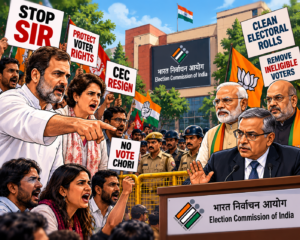
Location: New Delhi, Delhi
Delhi की politics में इस समय सबसे बड़ा confrontation किसी Assembly seat या government policy को लेकर नहीं, बल्कि Election Commission, voter rolls और electoral trust को लेकर है।
Special Intensive Revision यानी SIR को लेकर Congress-led Opposition लगातार Election Commission और Chief Election Commissioner Gyanesh Kumar को निशाने पर ले रही है। दूसरी तरफ BJP और Centre का जवाब है कि electoral rolls की cleaning जरूरी है और eligible voters को बाहर नहीं किया जाएगा।
लेकिन अब यह विवाद केवल Election Commission तक सीमित नहीं है।
Rahul Gandhi की street politics, INDIA bloc की joint mobilisation, student movements और BJP-Centre की counter-strategy ने इसे आने वाले political battles की बड़ी rehearsal बना दिया है।
विवाद की शुरुआत कहां से हुई?
SIR को लेकर Opposition का आरोप है कि voter-list revision की प्रक्रिया में बड़ी संख्या में genuine voters प्रभावित हुए हैं और इससे electoral transparency पर सवाल उठते हैं।
इस controversy को और बड़ा momentum तब मिला जब The Indian Express की investigation में Election Commission के अंदर SIR से जुड़े फैसलों को लेकर Election Commissioners Sukhbir Singh Sandhu और Vivek Joshi की objections की रिपोर्ट सामने आई।
Opposition ने इसे अपने पुराने “vote chori” campaign के लिए नया political ammunition बनाया। हालांकि Election Commission और BJP ने Opposition के आरोपों को खारिज किया है।
यहीं से electoral-roll dispute institutional controversy से निकलकर mass political mobilisation में बदलने लगा।
Rahul Gandhi की Protest Politics क्यों महत्वपूर्ण है?
6 October को Rahul Gandhi के नेतृत्व में INDIA bloc नेताओं ने Parliament से Election Commission की तरफ march किया।
Protest के दौरान Rahul Gandhi, Priyanka Gandhi Vadra और कई Opposition नेताओं को पुलिस ने briefly detain किया। Opposition CEC Gyanesh Kumar के resignation और SIR को वापस लेने की मांग कर रहा था।
इसके बाद Rahul Gandhi ने protest को एक isolated Delhi demonstration की जगह larger democratic campaign के रूप में present करने की कोशिश की।
12 October को INDIA bloc ने Supreme Court की तरफ march किया और SIR तथा CEC के खिलाफ joint petition भी file की।
इस strategy का political objective साफ दिखाई देता है:
ECI controversy को Parliament से लेकर सड़क और court—तीनों platforms पर alive रखना।
क्या Rahul Gandhi की street politics काम कर रही है?
Political impact को अभी electoral result की तरह measure करना जल्दबाजी होगी।
लेकिन mobilisation के स्तर पर Congress को कुछ महत्वपूर्ण gains दिखाई दे रहे हैं।
INDIA bloc के अलग-अलग parties—Congress, SP, TMC, RJD और Left parties—इस issue पर साथ दिखाई दे रही हैं। इसके अलावा student groups और civil-society organisations का participation भी बढ़ा है।
Rahul Gandhi खुद protests की organisation और Opposition coordination में ज्यादा active दिखाई दे रहे हैं।
Indian Express की reporting के मुताबिक Congress leaders इसे Rahul Gandhi की more hands-on protest management strategy से जोड़ते हैं, जिसमें INDIA bloc allies और grassroots mobilisation पर ज्यादा focus है।
यानी Rahul Gandhi अब केवल Parliament के भीतर Opposition की आवाज नहीं, बल्कि street mobilisation के central face के रूप में positioning कर रहे हैं।
BJP की Counter-Strategy क्या है?
BJP और Centre ने इस confrontation का जवाब केवल Opposition criticism से नहीं दिया है।
Indian Express की reporting के अनुसार सरकार ने कई fronts पर parallel strategy तैयार की है।
पहला, Election Commission की तरफ से voter-list issues को clarify करने की कोशिश।
दूसरा, eligible voters के re-enrolment और verification को highlight करना।
तीसरा, Opposition के protest को “anarchy” और public inconvenience के narrative से counter करना।
और चौथा, protest management के लिए designated locations को बदलना।
Delhi Police ने Jantar Mantar को designated protest site के रूप में denotify करके Ramlila Maidan, Burari Ground और CBD Ground को नए locations के तौर पर notify किया। इसका official logic traffic और public inconvenience को manage करना बताया गया है।
लेकिन Opposition और critics इसे protest politics को central Delhi से दूर रखने की strategy के रूप में भी देख रहे हैं।
यही disagreement आगे और political flashpoint पैदा कर सकता है।
BJP का दूसरा बड़ा narrative: “Ghuspaithiya” और Demographic Change
BJP का counter-narrative केवल Rahul Gandhi पर personal attack तक सीमित नहीं है।
SIR debate में BJP ने illegal immigrants, duplicate voters और demographic change जैसे मुद्दों को भी foreground किया है।
यानी जहां Opposition का central message है:
“Vote rights और electoral transparency”
वहीं BJP का counter-message है:
“Genuine voters की protection और illegal/ineligible entries की removal.”
यही दो competing narratives आने वाले महीनों में voter-list debate को और polarise कर सकते हैं।
क्या यह 2027 की Politics की तैयारी है?
यही इस पूरे विवाद का सबसे बड़ा political angle है।
अगर voter-list controversy लगातार news cycle में बनी रहती है, तो Opposition इसे आने वाले elections से पहले institutional trust issue में बदलने की कोशिश कर सकती है।
Congress के लिए इसका फायदा यह होगा कि party को BJP के खिलाफ केवल unemployment, inflation या local governance जैसे traditional मुद्दों पर निर्भर नहीं रहना पड़ेगा।
वह चुनाव की credibility और voter rights को campaign का central issue बना सकती है।
दूसरी तरफ BJP के लिए challenge यह होगा कि electoral process पर लगातार उठते सवाल उसके core political advantage—strong organisational machinery और election management—पर perception-level pressure डाल सकते हैं।
इसलिए Centre के लिए इस विवाद को केवल “Opposition protest” मानकर छोड़ देना politically risky हो सकता है।
Opposition के सामने भी बड़ी चुनौती है
लेकिन INDIA bloc के लिए यह campaign पूरी तरह आसान नहीं है।
सबसे बड़ा सवाल है:
क्या अलग-अलग parties इस issue पर लंबे समय तक एकजुट रह पाएंगी?
Congress के लिए SIR और ECI controversy national issue है।
लेकिन SP, TMC, RJD और दूसरी regional parties के लिए state-specific electoral calculations भी उतने ही महत्वपूर्ण हैं।
अगर Opposition unity केवल Delhi protests तक रहती है और ground-level coordination में टूटती है, तो campaign की political impact सीमित हो सकती है।
दूसरी चुनौती यह है कि Opposition को केवल allegations से आगे बढ़कर specific evidence, voter-level cases और workable reforms भी दिखाने होंगे।
वरना BJP आसानी से इसे political mobilisation campaign के रूप में dismiss कर सकती है।
Delhi में Protest Politics अब बदल रही है
इस confrontation का एक interesting हिस्सा यह भी है कि protest ecosystem अब केवल traditional political parties तक सीमित नहीं है।
Congress और INDIA bloc के अलावा youth और student-led groups भी इस issue में दिखाई दे रहे हैं।
Cockroach Janta Party जैसे youth movements के protests ने भी Delhi में ECI controversy को अलग demographic तक पहुंचाया है। 13 October को CJP activists द्वारा Jantar Mantar पर protest करने के बाद कुछ leaders की गिरफ्तारी और judicial custody ने confrontation को और complicated बनाया।
इससे सरकार के सामने एक नया challenge पैदा होता है:
क्या हर protest को law-and-order issue की तरह handle किया जाए या political dialogue का रास्ता खोला जाए?
24 October तक नया Flashpoint क्या है?
यह controversy अब लगातार street mobilisation का रूप ले रही है।
24 October को central Delhi में People Against SIR के protest के दौरान 150 से ज्यादा लोगों को detain किए जाने की रिपोर्ट सामने आई। Police का कहना था कि protesters ने roads block कीं और traffic disruption हुआ। Protesters ने इसे democratic protest पर restriction बताया।
इस development से साफ है कि ECI-SIR dispute अभी खत्म होने वाला नहीं है।
अगर protests जारी रहते हैं और police action भी लगातार headlines में आता है, तो political debate voter-list से आगे बढ़कर right to protest और state response पर पहुंच सकती है।
अगला Political Flashpoint क्या हो सकता है?
इस समय तीन संभावित flashpoints सबसे महत्वपूर्ण हैं।
1. SIR और Voter Verification
अगर deleted या disputed voter entries की verification process में बड़ी संख्या में genuine voters वापस जुड़ते हैं, तो Opposition इसे अपने allegations की validation के रूप में present कर सकती है।
वहीं अगर Election Commission यह demonstrate कर देता है कि majority deletions duplicate, shifted, deceased या otherwise ineligible entries से जुड़े थे, तो BJP का narrative मजबूत हो सकता है।
2. Street Protest बनाम Law & Order
Delhi Police और Opposition के बीच confrontation बढ़ता है तो हर detention, barricading या protest-site restriction खुद political story बन सकता है।
24 October की latest detentions इसी direction का संकेत देती हैं।
3. Parliament और Legal Battle
Opposition पहले ही Supreme Court का रुख कर चुकी है और आने वाले political calendar में Parliament भी एक major battlefield बन सकता है।
अगर court proceedings, Election Commission responses और Parliament debates एक साथ चलती हैं, तो SIR issue लंबे समय तक national political agenda पर रह सकता है।
क्या Centre को Political Dialogue करना पड़ेगा?
यह सबसे interesting question है।
BJP का current position यह है कि electoral process कानून और निर्धारित procedure के अनुसार चलना चाहिए और CEC को हटाने का रास्ता constitutional process से ही हो सकता है। सरकार ने protests के लिए alternative designated sites भी दिए हैं।
लेकिन politics में perception भी उतना ही महत्वपूर्ण होता है जितना procedure।
अगर Opposition लगातार यह narrative बनाने में सफल रहती है कि “सरकार सवालों से बच रही है”, तो BJP को सिर्फ legal या administrative जवाब देना पर्याप्त नहीं हो सकता।
इसके विपरीत अगर Centre voter verification data, deletion reasons और correction mechanisms को transparent तरीके से public करता है, तो controversy को technical election-management issue तक सीमित रखने में मदद मिल सकती है।
2027 के लिए असली Battle Narrative की है
अभी 2027 elections दूर हैं, लेकिन political positioning शुरू हो चुकी है।
Rahul Gandhi के लिए यह campaign एक opportunity है कि वह खुद को institutional accountability और voter rights के defender के रूप में position करें।
BJP के लिए challenge है कि वह अपने traditional governance + national security + strong leadership narrative को electoral integrity के सवाल से effectively जोड़ सके।
और regional parties के लिए सवाल है कि वे किस narrative के साथ ground पर जाएंगी।
इसलिए आने वाले समय में battle सिर्फ यह नहीं होगी कि:
“किसने कितने voters के नाम हटाए?”
बल्कि यह होगी:
“किसे जनता electoral system पर ज्यादा भरोसा करती है?”
Conclusion: Delhi की सड़कें 2027 की Politics का Trailer?
Election Commission और Opposition के बीच मौजूदा confrontation को सिर्फ एक protest series समझना शायद गलती होगी।
यह electoral institutions, voter rights, street politics, Opposition unity और government communication strategy—इन सभी का combination बन चुका है।
Rahul Gandhi ने सड़क को अपना primary political stage बनाया है। INDIA bloc इस issue को collective campaign में बदलने की कोशिश कर रहा है।
दूसरी तरफ BJP और Centre electoral verification, law-and-order और institutional procedure के जरिए counter-narrative तैयार कर रहे हैं।
अब असली test यह है कि कौन अपनी कहानी जनता तक ज्यादा effectively पहुंचाता है।
अगर Opposition SIR को “democracy and vote rights” का मुद्दा बना देती है, तो BJP को इसे केवल administrative exercise बताकर आगे बढ़ना मुश्किल हो सकता है।
और अगर Centre transparent verification और strong data के जरिए यह साबित कर देता है कि eligible voters के rights सुरक्षित हैं, तो Opposition का campaign momentum कमजोर पड़ सकता है।
Delhi की ये लड़ाई इसलिए महत्वपूर्ण है क्योंकि यहां फैसला सिर्फ एक protest का नहीं होगा—यह तय कर सकता है कि 2027 की politics में “Vote”, “Voter” और “Election Trust” कितना बड़ा political weapon बनने वाला है।