AI से Homework बेहतर, लेकिन Exam Marks कम? Students की Learning पर Generative AI का असली असर क्या है?
Keywords: AI in Education India, Generative AI Students, AI Homework, Education Technology, AI Learning
Generative AI ने students के लिए पढ़ाई का तरीका तेजी से बदल दिया है। आज किसी difficult chapter का explanation चाहिए, homework पूरा करना है, essay लिखना है या किसी mathematical problem को समझना है—AI कुछ seconds में answer दे सकता है।
लेकिन अब education sector में एक uncomfortable question सामने आ रहा है:
अगर AI से homework बेहतर हो रहा है, तो क्या students वास्तव में ज्यादा सीख भी रहे हैं?
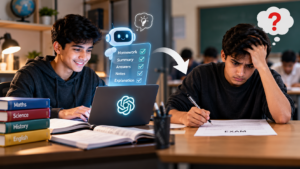
एक नई study ने इसी सवाल को लेकर चिंता बढ़ा दी है। China में Grade 7 से Grade 12 तक के 26,811 students के 30 months के data का analysis करने वाली research में पाया गया कि generative AI अपनाने के बाद students के homework scores बढ़े और homework पूरा करने में कम समय लगा, लेकिन closed-book exams और high-stakes examinations में performance गिर गई।
World Bank ने भी इस research को human capital के लिए एक potential “AI learning penalty” के रूप में highlight किया है।
Homework Score बढ़ा, लेकिन Exam Performance क्यों गिरी?
Study का सबसे striking finding यही है।
AI अपनाने वाले students में:
- Homework scores करीब 18% बढ़े
- Homework completion time करीब 30% कम हुआ
- करीब छह महीने के भीतर monthly exam scores लगभग 20% नीचे गए
- High-stakes entrance exams में भी performance decline देखा गया
- कुछ बड़े entrance assessments में गिरावट 18% और 24% तक रही
ये numbers इस बात की तरफ इशारा करते हैं कि students homework तो ज्यादा efficiently पूरा कर रहे थे, लेकिन homework करने की process में होने वाली actual learning कम हो सकती थी।
यानी AI ने “काम पूरा करने” की productivity बढ़ाई, लेकिन जरूरी नहीं कि “सीखने” की productivity भी उतनी ही बढ़ी हो।
असली Problem AI नहीं, AI का इस्तेमाल हो सकता है
यह distinction बहुत important है।
Generative AI अपने आप में learning को खराब नहीं करता। Problem तब शुरू हो सकती है जब student AI को teacher या tutor की तरह इस्तेमाल करने के बजाय homework outsourcing tool बना दे।
उदाहरण के लिए:
Learning approach:
Student → सवाल पूछता है → explanation समझता है → खुद problem solve करता है → AI से feedback लेता है
इसके मुकाबले:
Outsourcing approach:
Question → AI में paste → Answer copy → Submit
दूसरे model में student को अच्छा homework score मिल सकता है, लेकिन उसके दिमाग को वह cognitive effort नहीं मिलता जो learning के लिए जरूरी है।
China study में researchers ने पाया कि learning losses खास तौर पर उन लगभग 80% AI users में concentrated थे जिनका behaviour homework outsourcing से consistent था—यानी homework बहुत कम समय में पूरा हुआ लेकिन scores काफी ऊंचे रहे। इसके विपरीत, जिन students ने AI इस्तेमाल करने के बावजूद homework पर लगभग उतना ही समय लगाया जितना non-AI users लगाते थे, उनमें learning losses काफी छोटे थे।
“Productive Struggle” क्यों जरूरी है?
Education में एक concept है—productive struggle।
जब student किसी difficult mathematical equation को खुद solve करने की कोशिश करता है, essay का structure खुद बनाता है या किसी chapter को समझने के लिए बार-बार सोचता है, तो वही effort उसके brain में knowledge को मजबूत करता है।
AI उस struggle को पूरी तरह हटा सकता है।
अगर student हर मुश्किल step पर तुरंत AI से answer लेता है, तो उसे correct answer तो मिल जाता है लेकिन reasoning process develop होने का मौका कम हो सकता है।
इसी वजह से World Bank ने AI के uncontrolled use और carefully designed AI interventions के बीच फर्क करने पर जोर दिया है।
लेकिन क्या हर AI Use खराब है? बिल्कुल नहीं
यहीं से debate interesting हो जाती है।
एक दूसरी 2026 randomized study में researchers ने पाया कि generative AI का उपयोग students के learning outcomes को improve कर सकता है, खासकर जब students AI का इस्तेमाल concepts समझने, information खोजने और learning support के लिए करते हैं। AI access से immediate knowledge-test performance में improvement देखा गया और कुछ learning gains एक सप्ताह बाद भी बने रहे।
इसी तरह 2026 की एक Frontiers in Education study में university mathematics students के exam preparation के दौरान reported LLM use higher average scores से associated था, हालांकि researchers ने यह भी पाया कि prior achievement महत्वपूर्ण factor था और study observational थी।
इसका मतलब simple है:
AI = Good या Bad नहीं।
असल सवाल है:
Student AI से सीख रहा है या AI से अपना काम करवा रहा है?
India के लिए यह Warning क्यों महत्वपूर्ण है?
यह study India के students पर नहीं हुई है। इसलिए China के findings को सीधे Indian students पर लागू करना सही नहीं होगा।
लेकिन India में AI tools की accessibility तेजी से बढ़ रही है। Students अब ChatGPT जैसे conversational AI tools, AI search, AI writing tools और AI-powered learning platforms को homework, assignments, notes और exam preparation में इस्तेमाल कर सकते हैं।
इसलिए India के education system के सामने वही fundamental question खड़ा हो रहा है:
क्या schools और colleges AI को ban करेंगे या students को AI का सही इस्तेमाल करना सिखाएंगे?
शायद future education policy का focus सिर्फ “AI allowed है या नहीं” पर नहीं होना चाहिए।
Focus होना चाहिए:
AI का इस्तेमाल कैसे किया जा रहा है?
Traditional Exams के सामने भी नई चुनौती
Generative AI ने assessment system को भी challenge किया है।
अगर student घर पर AI की मदद से 95% quality का assignment submit करता है, तो teacher के लिए यह समझना मुश्किल हो सकता है कि actual knowledge student की है या AI की।
लेकिन classroom में closed-book exam में वही student बिना AI के perform नहीं कर पाता।
यही homework–exam performance gap education system के लिए बड़ा signal है।
इसका एक possible solution assessment को सिर्फ take-home assignments पर dependent रखने के बजाय:
- Viva
- Oral explanation
- Classroom problem solving
- Project-based assessment
- Closed-book conceptual tests
- AI-assisted + AI-free assignments
- Process-based evaluation
जैसे formats का combination हो सकता है।
Teacher की भूमिका खत्म नहीं, और महत्वपूर्ण होगी
AI के आने से teacher की role कम होने के बजाय बदल सकती है।
Teacher अब केवल information provider नहीं रहेगा।
उसकी भूमिका ज्यादा होगी:
AI-generated answer → Verify → Explain → Challenge → Apply → Assess
यानी AI information दे सकता है, लेकिन teacher यह सुनिश्चित कर सकता है कि student उस information को वास्तव में समझ भी रहा है या नहीं।
World Bank की broader education research भी संकेत देती है कि AI-enabled educational interventions learning improve कर सकते हैं, लेकिन evidence अभी relatively limited है और अलग-अलग interventions के outcomes काफी अलग हो सकते हैं।
Schools को “AI Ban” या “AI Freedom” में से एक चुनना जरूरी नहीं
Education system के सामने दो extreme approaches हैं।
Approach 1: AI Ban
Students को AI use करने से रोक दिया जाए।
Problem यह है कि students real world में AI से दूर नहीं रहने वाले। Workplace में AI literacy increasingly important होगी।
Approach 2: Unlimited AI
Students को हर assignment और homework में unrestricted AI use करने दिया जाए।
Problem यह है कि इससे learning process outsource होने का risk बढ़ सकता है।
इसलिए तीसरा रास्ता ज्यादा practical हो सकता है:
“AI Literacy + Controlled AI Use”
Students को सिखाया जाए:
- सही prompt कैसे लिखें
- AI answer verify कैसे करें
- hallucination identify कैसे करें
- AI से explanation कैसे लें
- AI-generated answer को अपने words में कैसे समझें
- कब AI use करना है और कब खुद solve करना है
- AI के बिना भी knowledge demonstrate कैसे करना है
यानी आने वाले समय में AI literacy खुद education का एक core skill बन सकती है।
क्या AI Students को Smarter बनाएगा या सिर्फ Faster?
यही सबसे बड़ा सवाल है।
अगर AI student को एक difficult concept समझने में मदद करता है, mistakes identify करता है और practice questions generate करता है, तो वह learning को accelerate कर सकता है।
लेकिन अगर AI student की जगह homework लिखता है, problems solve करता है और assignments तैयार करता है, तो student सिर्फ faster submitter बन सकता है—better learner नहीं।
China की study इसी difference को बेहद sharply दिखाती है: homework performance improve हुई, लेकिन exams में learning outcomes कमजोर हुए।
India में Education का अगला AI Battle
India में AI education का debate अब सिर्फ cheating या ChatGPT ban करने तक सीमित नहीं रहेगा।
असल debate यह होगी:
क्या AI student को answer दे रहा है या student को answer तक पहुंचना सिखा रहा है?
अगर schools और colleges AI को learning assistant की तरह integrate करते हैं, teachers AI literacy develop करते हैं और assessments conceptual understanding को ज्यादा महत्व देते हैं, तो AI education की quality बढ़ा सकता है।
लेकिन अगर AI सिर्फ homework shortcut बन गया, तो students के marksheets पर improvement दिख सकता है—और actual learning में गिरावट।
इसलिए आने वाले AI-era education system का सबसे important metric शायद यह नहीं होगा कि:
“Student ने कितने marks लिए?”
बल्कि यह होगा:
“AI बंद करने के बाद student खुद कितना कर सकता है?”
यही तय करेगा कि Generative AI education revolution है—या learning का नया shortcut crisis।