MPSC Paper Leak के बाद बड़ा सवाल: India के Competitive Exams में Security System कितना सुरक्षित है?
Keywords: MPSC Paper Leak, Competitive Exams India, Exam Security, Paper Leak India, Government Exams
Maharashtra में MPSC Paper Leak Case ने एक बार फिर India के competitive examination system की security पर बड़ा सवाल खड़ा कर दिया है। मामला सिर्फ एक examination को cancel करने या कुछ लोगों पर कार्रवाई करने तक सीमित नहीं है। यह सवाल अब ज्यादा बड़ा है—आखिर question paper exam hall तक पहुंचने से पहले कितने security layers से गुजरता है और इनमें से किसी एक layer के fail होने पर accountability किसकी तय होती है?
MPSC ने Drug Inspector, Group-B recruitment examination से जुड़े paper leak मामले के बाद recruitment process cancel कर दिया था। March 22, 2026 को हुई screening examination में करीब 44,500 candidates शामिल हुए थे। बाद की preliminary police inquiry में paper leak की पुष्टि के बाद पूरी recruitment प्रक्रिया रद्द की गई।
इसके बाद Maharashtra में aspirants का protest बढ़ा और MPSC Chairman Vivek Bhimanwar की accountability को लेकर सवाल उठे। अब senior IAS officer Tukaram Mundhe की अध्यक्षता में inquiry committee को examination irregularities और alleged paper leaks की जांच की जिम्मेदारी दी गई है।
सवाल सिर्फ Paper Leak का नहीं, पूरे Security Chain का है
Competitive exam का question paper सिर्फ एक document नहीं होता। इसके पीछे एक पूरी chain काम करती है—
Paper Setting → Question Bank → Printing/Digital Transmission → Storage → Centre Distribution → Exam Hall
इस chain के किसी भी stage पर unauthorised access हो जाए तो हजारों candidates की मेहनत और पूरी recruitment process प्रभावित हो सकती है।
MPSC case ने इसी chain की vulnerability को spotlight में ला दिया है।
Indian competitive exams में अक्सर security का focus exam centre पर candidate की checking, biometric verification और CCTV monitoring पर ज्यादा रहता है। लेकिन असली challenge इससे पहले शुरू होता है।
Question paper किसने access किया?
किस device से access किया?
कहां store हुआ?
किसे transmission की permission थी?
क्या access logs maintain हुए?
और suspicious activity detect होने पर alert किसे मिला?
ये questions किसी भी modern examination security system के लिए basic होने चाहिए।
MPSC Case में क्या हुआ?
MPSC Drug Inspector examination के मामले में initially paper leak की allegations सामने आईं। Commission ने शुरुआत में कहा था कि उसे original examination paper के leak होने का evidence नहीं मिला और matter police verification के लिए भेजा गया था। बाद में preliminary police inquiry के findings के आधार पर recruitment process cancel किया गया।
Police investigation में alleged leaked questions के examination paper में आने की बात सामने आई और मामले में arrests भी हुए। Indian Express की reporting के अनुसार, investigation ने alleged leak की chain को MPSC office से coaching class और फिर candidate तक trace करने की दिशा में जांच की।
यानी यह सिर्फ “paper बाहर कैसे गया?” का सवाल नहीं है।
यह सवाल है कि एक confidential examination asset कितने लोगों और systems के contact में आया और monitoring mechanism ने इसे समय रहते detect क्यों नहीं किया?
Digital Paper Transmission: Solution या नया Risk?
आज examinations तेजी से digital infrastructure की ओर बढ़ रहे हैं। इसका फायदा यह है कि printing, transportation और physical storage से जुड़े कई risks कम किए जा सकते हैं।
लेकिन digital system अपने साथ नए risks भी लाता है।
अगर question paper encrypted form में भेजा जाता है तो security मजबूत हो सकती है। लेकिन इसके साथ—
- access control
- encryption
- authentication
- device security
- server security
- audit logs
- role-based permissions
- real-time monitoring
जैसे systems जरूरी हो जाते हैं।
अगर किसी authorised user का account compromise हो जाए या internal access का misuse हो जाए, तो सिर्फ encryption पर्याप्त नहीं होगा।
इसलिए future examination security को “secure paper” से आगे बढ़कर “secure digital ecosystem” बनाना होगा।
Vendor Security भी क्यों महत्वपूर्ण है?
Government examinations अक्सर कई external vendors और service providers पर निर्भर करते हैं।
Printing agencies, IT vendors, examination centres, biometric providers, CCTV systems, logistics companies और software providers—इनमें से कोई भी examination ecosystem का हिस्सा हो सकता है।
यहीं एक बड़ा risk पैदा होता है।
अगर vendor के पास question paper, candidate data या examination infrastructure का access है, तो उसकी security government agency जितनी ही मजबूत होनी चाहिए।
इसके लिए सिर्फ contract sign करना काफी नहीं है।
Government examination bodies को यह सुनिश्चित करना होगा कि vendors के लिए—
background verification + cybersecurity audit + access control + employee monitoring + data retention rules + breach reporting + independent audit
जैसे mandatory standards हों।
और सबसे जरूरी बात—अगर vendor failure से exam compromise होता है तो responsibility सिर्फ “technical error” कहकर खत्म नहीं होनी चाहिए।
Accountability किसकी?
Paper leak के बाद आमतौर पर investigation का focus accused individuals पर चला जाता है।
लेकिन system-level accountability इससे आगे जाती है।
अगर किसी individual ने paper leak किया तो उसकी criminal responsibility तय होना जरूरी है।
लेकिन साथ ही यह भी पूछा जाना चाहिए—
उस व्यक्ति को access मिला कैसे?
अगर access legitimate था तो monitoring system ने suspicious activity detect क्यों नहीं की?
अगर access unauthorised था तो authentication fail कैसे हुआ?
अगर paper vendor के पास था तो vendor audit क्या था?
अगर examination authority के पास था तो internal controls क्या थे?
यही difference individual crime और institutional accountability के बीच है।
MPSC के बाद Exams Postpone होना भी बड़ी समस्या
Paper leak का impact केवल compromised examination तक सीमित नहीं रहता।
MPSC ने September 2026 में State Services Main Examination 2026 को postpone किया। Commission ने Maharashtra Civil Engineering Main और Group-B Main examinations को भी defer किया। साथ ही State Services Main Examination 2025 की answer sheets के re-evaluation का फैसला लिया गया।
इसका direct impact aspirants पर पड़ता है।
एक candidate महीनों या वर्षों तक preparation करता है। Exam postpone होने पर उसका सिर्फ एक exam date नहीं बदलता।
उसकी—
- नौकरी की timeline
- financial planning
- age-limit strategy
- family commitments
- coaching schedule
- दूसरी competitive exams की preparation
सब प्रभावित हो सकती है।
इसीलिए examination security को सिर्फ administrative issue मानना गलत होगा।
यह career security और social mobility का भी सवाल है।
Trust टूटना सबसे बड़ा नुकसान
Government examination system में सबसे valuable चीज question paper नहीं, trust है।
Candidate यह मानकर preparation करता है कि examination में सभी competitors को समान opportunity मिलेगी।
अगर उसे लगता है कि paper पहले किसी के पास पहुंच सकता है, answer evaluation questionable हो सकती है या exam repeatedly postpone हो सकता है, तो पूरी system credibility प्रभावित होती है।
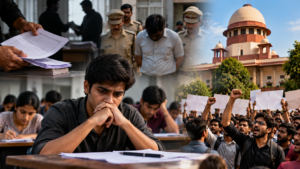
MPSC protests में यही frustration दिखाई दी। Thousands of aspirants ने Pune में reforms, transparency और accountability की मांग की।
October में protests जारी रहे और Bombay High Court ने भी fair examinations और recruitment process को लेकर state से roadmap की अपेक्षा जताई।
State-Level Exams में क्या बदलना चाहिए?
MPSC case के बाद state commissions के लिए कुछ structural reforms महत्वपूर्ण हो सकते हैं।
1. End-to-End Paper Tracking
Question paper की पूरी journey digitally logged होनी चाहिए।
किसने कब access किया, किस system से किया और किस stage पर transfer हुआ—हर activity का audit trail होना चाहिए।
2. Zero-Trust Access
हर employee या vendor को default access देने के बजाय need-to-access model अपनाया जाना चाहिए।
3. Multi-Layer Encryption
Question papers को creation से लेकर examination centre तक encrypted form में रखना चाहिए।
4. Independent Cybersecurity Audit
Examination authority की internal security review के साथ independent third-party cybersecurity audit भी होना चाहिए।
5. Vendor Accountability
External vendors के लिए strict security standards और breach liability तय होनी चाहिए।
6. Real-Time Anomaly Detection
अगर किसी account ने unusual time पर paper access किया, multiple devices से login हुआ या bulk data download हुआ तो automated alert generate होना चाहिए।
7. Secure Exam Centres
Exam centre पर CCTV, biometric verification और controlled access के साथ tamper-proof storage और device monitoring जरूरी है।
8. Fast Investigation Protocol
Leak allegation आने के बाद महीनों तक uncertainty नहीं होनी चाहिए। Independent investigation mechanism और predefined timeline होना चाहिए।
9. Public Communication
Commission को candidates को timely और transparent updates देने चाहिए।
Rumours और misinformation तब ज्यादा फैलते हैं जब official information देर से आती है।
10. Responsibility Fix होनी चाहिए
Investigation के बाद सिर्फ lower-level employees पर action लेने के बजाय chain of responsibility identify होनी चाहिए।
MPSC और NTA Cases में क्या फर्क है?
यह issue NTA reforms वाले national-level debate से जुड़ा जरूर है, लेकिन दोनों को एक जैसा नहीं देखना चाहिए।
NTA debate का बड़ा focus national examination architecture, CBT infrastructure, question banks, normalisation, cybersecurity और centralised examination management पर है।
वहीं MPSC case state-level commission के examination ecosystem की practical vulnerabilities पर ज्यादा direct सवाल उठाता है—paper handling, recruitment timelines, vendor ecosystem, internal accountability और candidate trust।
इसलिए MPSC का lesson सिर्फ Maharashtra तक सीमित नहीं है।
देश के दूसरे State Public Service Commissions और government recruitment bodies के लिए भी यह एक warning हो सकती है।
क्या Technology अकेले Paper Leak रोक सकती है?
नहीं।
Technology risk कम कर सकती है, लेकिन examination security का पूरा solution नहीं है।
अगर technology secure है लेकिन human access uncontrolled है, तो system vulnerable रहेगा।
अगर encryption मजबूत है लेकिन vendor security weak है, तो risk बना रहेगा।
अगर CCTV मौजूद है लेकिन footage की independent audit नहीं होती, तो उसका deterrence value सीमित हो सकता है।
इसलिए future examination security का model होना चाहिए—
Technology + Human Accountability + Independent Audit + Transparent Governance
इन चारों के बिना सिर्फ नया software या biometric system पर्याप्त नहीं होगा।
Bottom Line
MPSC Paper Leak controversy ने competitive examinations की सबसे basic promise पर सवाल खड़ा किया है—क्या हर candidate को genuinely equal opportunity मिल रही है?
एक secure examination system का मतलब सिर्फ exam hall में cheating रोकना नहीं है।
Security की शुरुआत question paper बनने से पहले होती है और final result तक चलती है।
Paper leak के बाद accused को पकड़ना जरूरी है, लेकिन उससे भी ज्यादा जरूरी है यह पता लगाना कि system में वह vulnerability बनी ही क्यों थी।
India में government jobs लाखों युवाओं के लिए economic mobility का सबसे महत्वपूर्ण रास्ता हैं। इसलिए competitive examinations की security को routine administrative function नहीं, बल्कि critical public infrastructure की तरह treat करने की जरूरत है।
MPSC के सामने अब सबसे बड़ा challenge सिर्फ investigation पूरा करना नहीं है।
Challenge यह है कि investigation के बाद ऐसा examination ecosystem बनाया जाए जिसमें candidate को यह भरोसा हो कि—