Protest vs Public Order: Delhi में Metro बंद करने से लेकर Detention तक, सरकार की Power की सीमा क्या है?
Keywords: Right to Protest India, Delhi Protest 2026, Article 19, Public Order India, Indian Constitution
Delhi में October 2026 के protests ने एक बार फिर उस constitutional सवाल को सामने ला दिया है, जो हर लोकतंत्र में बेहद महत्वपूर्ण होता है—सरकार public order बनाए रखने के लिए protest पर कितनी पाबंदी लगा सकती है और किस point पर restriction नागरिकों के fundamental rights में excessive interference बन जाता है?
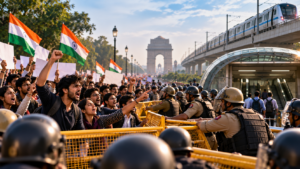
12 October को opposition parties के proposed march के बीच Delhi के छह Metro stations—Janpath, Mandi House, Barakhamba Road, Central Secretariat, Rajiv Chowk और Patel Chowk—को सुबह 6 बजे से शाम 4 बजे तक entry और exit के लिए बंद रखा गया। इससे पहले 10 October को 45 Metro stations बंद किए गए थे और protest के दौरान बड़े पैमाने पर detentions भी हुई थीं।
मामला तब और महत्वपूर्ण हो गया जब Supreme Court ने 11 October की special sitting में authorities को illegal detention से बचने, लोगों की free movement सुनिश्चित करने और Metro तथा train services को सामान्य रखने का निर्देश दिया, हालांकि court ने साफ किया कि public order की वास्तविक स्थिति में कानून के अनुसार restrictions लगाई जा सकती हैं।
Article 19 क्या कहता है?
Indian Constitution का Article 19 citizens को कई fundamental freedoms देता है। इनमें Article 19(1)(a) के तहत freedom of speech and expression और Article 19(1)(b) के तहत peacefully and without arms assemble होने का अधिकार शामिल है।
लेकिन ये rights absolute नहीं हैं।
Article 19(2) speech पर और Article 19(3) peaceful assembly पर reasonable restrictions की अनुमति देते हैं, खासकर public order, security और Constitution में बताए गए अन्य legitimate grounds के संदर्भ में।
यानी constitutional position यह नहीं है कि कोई भी व्यक्ति किसी भी जगह, किसी भी समय और किसी भी तरीके से protest कर सकता है।
लेकिन इसका दूसरा पक्ष भी उतना ही महत्वपूर्ण है—public order का नाम लेकर peaceful dissent को पूरी तरह खत्म नहीं किया जा सकता।
सरकार और Police की Power कहाँ तक है?
Police और administration को protest regulate करने की power है। वे route तय कर सकते हैं, barricading कर सकते हैं, traffic diversion कर सकते हैं, sensitive areas में restrictions लगा सकते हैं और specific परिस्थितियों में assembly को रोकने के लिए statutory powers का इस्तेमाल कर सकते हैं।
Delhi के मौजूदा मामले में Supreme Court ने भी यह माना कि law-and-order conditions के आधार पर restrictions लगाए जा सकते हैं। लेकिन court ने साथ ही free movement और peaceful assembly के बीच balance बनाए रखने पर जोर दिया।
यही proportionality का core principle है।
अगर किसी protest से किसी specific road या area में genuine security threat है, तो उस particular area को regulate करना एक बात है। लेकिन ऐसी action जो पूरे शहर की mobility, public transport या ordinary citizens की daily life को unnecessarily प्रभावित करे, उसे ज्यादा कठोर constitutional scrutiny का सामना करना पड़ सकता है।
Metro बंद करना सिर्फ Protesters को प्रभावित नहीं करता
Delhi जैसे शहर में Metro केवल transportation system नहीं है। लाखों लोग रोज इसका इस्तेमाल office, hospital, court, college और दूसरे जरूरी कामों के लिए करते हैं।
इसीलिए Supreme Court ने हालिया सुनवाई में यह सवाल उठाया कि protest control करने के लिए public transport पर कितनी व्यापक restriction justified हो सकती है।
Court ने authorities को Metro और rail facilities को सामान्य रूप से चलाने का निर्देश दिया, जब तक law-and-order situation के कारण कानून के तहत specific restriction जरूरी न हो। Court ने barricades की आवश्यकता की भी review की बात कही।
12 October को छह central Delhi Metro stations को अस्थायी रूप से बंद किया गया, लेकिन यह 10 October की 45-station closure की तुलना में काफी सीमित restriction थी।
यहीं से constitutional debate का असली सवाल निकलता है—क्या restriction targeted है या disproportionate?
Detention और Peaceful Protest में फर्क क्यों जरूरी है?
किसी व्यक्ति को सिर्फ इसलिए detain करना कि वह protest में मौजूद है, और किसी ऐसे व्यक्ति के खिलाफ action लेना जो violence, obstruction या किसी specific offence में involved है—दोनों एक जैसे नहीं हैं।
Supreme Court ने 11 October को कहा कि peaceful और unarmed assembly से जुड़े लोगों की detention procedure established by law के बिना नहीं होनी चाहिए। Court ने विशेष रूप से उन लोगों के detention पर सवाल उठाया जो Section 163 BNSS के operative area से बाहर peaceful assembly में मौजूद थे।
Section 163 BNSS executive magistrate को urgent situations में public peace और safety के लिए temporary prohibitory orders जारी करने की power देता है। लेकिन ऐसी power का existence अपने आप में हर peaceful protester को detain करने की unlimited permission नहीं बन जाता।
यही distinction rule of law के लिए महत्वपूर्ण है।
Supreme Court का पुराना approach क्या रहा है?
Supreme Court ने पहले भी साफ किया है कि peaceful protest democratic system का हिस्सा है, लेकिन public spaces और roads को indefinitely block नहीं किया जा सकता।
Amit Sahni v. Commissioner of Police, यानी Shaheen Bagh case में Supreme Court ने माना था कि citizens को legislation के खिलाफ peaceful protest करने का constitutional right है, लेकिन public ways को अनिश्चितकाल तक block करके दूसरे citizens की mobility को प्रभावित नहीं किया जा सकता। Court ने protest और commuters के rights के बीच balance पर जोर दिया।
इसी तरह Mazdoor Kisan Shakti Sangathan v. Union of India में Supreme Court ने peaceful protests को fundamental right माना, लेकिन यह भी कहा कि एक right को इस तरह प्राथमिकता नहीं दी जा सकती कि दूसरे वर्ग का right पूरी तरह खत्म हो जाए।
इसलिए constitutional test केवल यह नहीं है कि protest legal है या illegal।
सवाल यह भी है कि restriction necessary, reasonable और proportionate है या नहीं।
Jantar Mantar से दूरी भी क्यों बनती है बड़ा सवाल?
Delhi में designated protest spaces का सवाल भी इसी debate से जुड़ा है।
हालिया बदलावों में Jantar Mantar को designated protest site की सूची से हटाकर Ramlila Maidan, CBD Ground और Burari Ground जैसे alternative locations की ओर protests को redirect करने की व्यवस्था सामने आई है।
यह administrative planning के लिहाज से justified हो सकती है, लेकिन democratic protest के perspective से एक practical सवाल उठता है—अगर protest को उस जगह से बहुत दूर कर दिया जाए जहां decision-makers और media मौजूद हैं, तो क्या सिर्फ technically protest की अनुमति देना पर्याप्त है?
यह सवाल खासकर political demonstrations में महत्वपूर्ण है, क्योंकि protest का उद्देश्य केवल भीड़ इकट्ठा करना नहीं बल्कि अपनी मांग को decision-making institutions तक visible बनाना भी होता है।
Public Order बनाम Right to Protest: असली Balance क्या है?
एक democratic state के सामने दोनों responsibilities होती हैं।
Government की responsibility:
- public safety बनाए रखना
- violence और property damage रोकना
- traffic और essential services को functioning रखना
- sensitive institutions की security सुनिश्चित करना
Citizens का constitutional interest:
- अपनी बात publicly रखने का अधिकार
- peaceful assembly का अधिकार
- government policies के खिलाफ dissent व्यक्त करना
- democratic institutions तक अपनी आवाज पहुंचाना
इसलिए ideal approach blanket ban नहीं बल्कि targeted regulation होनी चाहिए।
जहां genuine threat हो वहां restriction हो सकती है। लेकिन peaceful protesters, commuters, journalists, lawyers और ordinary citizens पर unnecessarily broad restrictions constitutional proportionality के सवाल पैदा करती हैं।
Delhi की मौजूदा स्थिति क्यों महत्वपूर्ण है?
October 2026 का Delhi protest सिर्फ एक political confrontation नहीं है। यह एक broader constitutional test भी बन गया है।
एक तरफ administration को राजधानी में law and order maintain करना है। दूसरी तरफ citizens का fundamental right to protest भी constitutional protection रखता है।
Supreme Court ने फिलहाल इसी balance को emphasize किया है। Court ने authorities से कहा है कि illegal detention न हो, public movement सामान्य रहे और Metro, rail तथा internet services पर restrictions केवल law के अनुसार और public-order conditions को ध्यान में रखते हुए हों। Court ने alleged non-compliance को लेकर Centre, Delhi Police और DMRC को notices भी जारी किए हैं।
इसका मतलब यह नहीं है कि Supreme Court ने हर restriction को illegal घोषित कर दिया है। बल्कि court यह देख रहा है कि restriction का legal basis क्या है, उसका extent कितना है और क्या वह situation के मुकाबले proportionate है।
Bottom Line
Right to Protest democracy का essential हिस्सा है, लेकिन यह unlimited right नहीं है।
सरकार public order के लिए reasonable restrictions लगा सकती है। Police protest routes regulate कर सकती है, traffic divert कर सकती है और कानून के तहत specific prohibitory measures लागू कर सकती है।
लेकिन constitutional democracy में restriction का उद्देश्य protest को regulate करना होना चाहिए, dissent को खत्म करना नहीं।
Delhi में Metro closures, barricading और detentions को लेकर Supreme Court की हालिया intervention इसी larger principle को सामने रखती है—public order और fundamental rights दोनों की protection जरूरी है।
आखिरकार सवाल यह नहीं है कि सरकार protest को रोक सकती है या नहीं।
सवाल यह है कि वह कितनी दूर तक जा सकती है—और उस सीमा का फैसला Constitution, law और proportionality के principles से होगा।