Jamia में 20 साल बाद Student Union Election: क्या Delhi Campus Politics फिर लौट रही है?
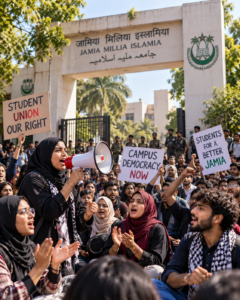
Location: New Delhi, Delhi
लगभग दो दशक तक बिना elected student union के चलने के बाद Jamia Millia Islamia में campus democracy को लेकर एक बड़ा बदलाव सामने आया है।
26 October 2026 को Jamia administration ने student union elections को दोबारा शुरू करने की घोषणा की। University के मुताबिक Jamia Millia Islamia Students’ Union (JMISU) के constitution को approve किए जाने के 15 दिनों के भीतर elections कराए जाएंगे।
यह फैसला ऐसे समय आया है जब campus में पिछले करीब दो हफ्तों से student protests और hunger strike चल रही है। Students की मुख्य मांग elected union की बहाली और election की clear timeline रही है।
लेकिन सवाल सिर्फ इतना नहीं है कि Jamia में election होंगे या नहीं।
बड़ा सवाल यह है:
क्या Delhi की campus politics में student unions का एक नया दौर वापस आ रहा है?
Jamia में 20 साल से election क्यों नहीं हुआ?
Jamia में आखिरी student union elections 2005 में हुए थे।
इसके बाद March 2006 में university administration ने elected student body को dissolve कर दिया। Administration ने उस समय campus violence, disruption और students’ representatives द्वारा administrative matters में interference जैसे कारणों का हवाला दिया था।
इसके बाद university-wide elected union की जगह departmental और subject-level associations पर ज्यादा जोर दिया गया।
यानी आज Jamia में पढ़ने वाले कई students ऐसी generation से आते हैं जिसने अपने campus में elected student union देखा ही नहीं।
इसी वजह से 2026 का आंदोलन सिर्फ एक election demand नहीं है।
यह representation और campus democracy के सवाल से भी जुड़ गया है।
2026 में अचानक यह मुद्दा इतना बड़ा क्यों बन गया?
12 October से Jamia में students ने hunger strike शुरू की थी।
Students का argument था कि elected union के बिना उनके पास administration के सामने collective representation का formal platform नहीं है।
उनके मुद्दों में सिर्फ politics नहीं बल्कि hostels, drinking water, classrooms, washrooms, library, lifts और academic problems जैसी everyday campus concerns भी शामिल हैं।
धीरे-धीरे protest बड़ा होता गया।
Security deployment बढ़ा, campus में clashes और restrictions की reports सामने आईं और political attention भी बढ़ने लगी। 23 October को Congress MP Imran Masood और Samajwadi Party MP Mohibbullah Nadwi समेत politicians के Jamia protest से जुड़ने की कोशिश पर detention की reports भी सामने आईं।
इससे student union का मुद्दा campus से निकलकर wider political discussion में पहुंच गया।
अब University ने क्या फैसला लिया है?
University ने 26 October को student union elections resume करने की घोषणा की।
Administration के अनुसार:
Constitution approve होने के 15 दिनों के भीतर election कराया जाएगा।
इसके साथ कुछ protesting students पर लगाए गए suspension और show-cause notices revoke करने की बात भी कही गई है।
University ने protest के दौरान security staff के conduct की inquiry कराने का भी assurance दिया है।
लेकिन students ने अभी protest पूरी तरह खत्म नहीं किया है।
उनका कहना है कि election की exact timeline अभी भी clear नहीं है और कुछ महत्वपूर्ण demands unresolved हैं।
यानी administration ने बड़ा step लिया है, लेकिन conflict अभी पूरी तरह खत्म नहीं हुआ।
Constitution ही अब सबसे बड़ा सवाल क्यों है?
यह पूरा मामला एक interesting institutional question पर टिक गया है।
Election तभी होगा जब JMISU का नया constitution approve होगा।
University पहले ही constitution draft करने के लिए committee बना चुकी है। Committee को 2006 में union dissolution की circumstances, existing court orders और Lyngdoh Committee recommendations को ध्यान में रखकर framework तैयार करना है।
Committee को draft constitution तैयार करने के लिए 20 December 2026 तक का समय दिया गया है।
यानी technically election की घोषणा हो चुकी है, लेकिन election तक पहुंचने के लिए constitution approval एक crucial step बना हुआ है।
यही वजह है कि students fixed timeline की मांग कर रहे हैं।
क्या Jamia की campus politics फिर national politics को प्रभावित कर सकती है?
Delhi में student politics का national politics से connection नया नहीं है।
Delhi University और Jawaharlal Nehru University जैसे campuses लंबे समय से student politics और youth leadership के महत्वपूर्ण centres रहे हैं।
Jamia में भी अगर elected union वापस आती है, तो यह campus सिर्फ academic institution नहीं रहेगा बल्कि नई student leadership तैयार करने का platform भी बन सकता है।
Campus elections में उठने वाले issues अक्सर बाद में broader political narratives का हिस्सा बनते हैं।
Employment, education fees, scholarships, hostel facilities, minority education, campus freedom, security और administrative accountability जैसे मुद्दे student politics को national politics से जोड़ सकते हैं।
Youth Leadership के लिए बड़ा अवसर
Student union elections का सबसे बड़ा impact शायद political parties पर नहीं बल्कि students पर होगा।
एक elected union students को:
- Public speaking
- Campaign management
- Negotiation
- Policy discussion
- Leadership
- Grassroots mobilisation
जैसी practical political skills सीखने का मौका दे सकती है।
यही reason है कि student politics को कई बार future political leadership की training ground भी माना जाता है।
अगर Jamia में elections regular होते हैं, तो आने वाले वर्षों में यहां से नई student leadership उभर सकती है।
लेकिन क्या Campus Politics फिर Polarise भी होगी?
यही सबसे बड़ा concern है।
Student politics representation दे सकती है, लेकिन अगर campus elections heavily ideological या party-driven हो जाएं तो academic environment पर pressure भी बढ़ सकता है।
Jamia में 2006 के बाद election बंद होने के पीछे university administration ने campus disruption और administrative interference जैसे concerns का हवाला दिया था।
इसलिए 2026 में election वापस लाने के साथ university के सामने दूसरी challenge भी होगी:
Democratic participation और academic stability के बीच balance कैसे बनाया जाए?
अगर election peaceful तरीके से होते हैं और student representatives administration के साथ institutional dialogue maintain करते हैं, तो union campus governance को मजबूत कर सकती है।
लेकिन अगर politics confrontation-centric हो जाती है, तो वही system फिर controversy का कारण बन सकता है।
Delhi में Student Politics की वापसी का बड़ा संकेत?
Jamia का मामला isolated नहीं दिख रहा।
देश के कई universities में student union elections को लेकर demands और discussions फिर तेज हुए हैं।
Indian Express की recent analysis के मुताबिक Maharashtra, Odisha और Uttar Pradesh सहित कई राज्यों में student elections को revive करने की मांग या प्रक्रिया सामने आई है। वहीं BHU, Allahabad University और कुछ अन्य institutions में लंबे समय से elections नहीं हुए हैं।
इसलिए Jamia का development एक larger trend का हिस्सा हो सकता है:
Indian campuses में student representation को लेकर renewed political demand।
2027 Politics पर इसका क्या असर हो सकता है?
Delhi में student politics का comeback ऐसे समय हो रहा है जब national और state-level politics में youth voters increasingly important हैं।
Social media ने student politics को भी बदल दिया है।
आज campus campaign सिर्फ posters और physical rallies तक सीमित नहीं रहेगा।
Instagram Reels, YouTube Shorts, WhatsApp groups और digital communities student candidates को campus से बाहर भी visibility दे सकते हैं।
इससे student leaders का political profile पहले की तुलना में तेजी से build हो सकता है।
अगर Jamia elections में strong youth mobilisation देखने को मिलता है, तो दूसरे universities में भी election revival की मांग को momentum मिल सकता है।
असली परीक्षा Election Day के बाद होगी
Election कराना पहला step है।
असली test election के बाद शुरू होगा।
क्या elected union students की genuine problems उठाएगी?
क्या administration student representatives के साथ institutional dialogue करेगा?
क्या political parties campus politics को influence करेंगी?
और सबसे important—
क्या Jamia एक ऐसा student union model बना पाएगी जिसमें democracy और academic environment दोनों साथ चल सकें?
इन सवालों का जवाब आने वाले महीनों में मिलेगा।
Conclusion: Jamia का Election सिर्फ Campus News नहीं
Jamia में करीब 20 साल बाद student union elections की वापसी Delhi की campus politics के लिए एक significant development है।
यह सिर्फ एक university election नहीं है।
यह उस generation के लिए representation का पहला बड़ा institutional opportunity है जिसने elected student union के बिना campus life देखी है।
University ने election की दिशा में बड़ा कदम जरूर उठाया है, लेकिन constitution approval, exact election schedule और students की बाकी demands अभी महत्वपूर्ण हैं।
अगर process smoothly आगे बढ़ता है, तो Jamia में एक नई student leadership emerge हो सकती है।
और अगर यही trend दूसरे universities तक पहुंचता है, तो आने वाले समय में Delhi की campus politics एक बार फिर national political conversation का हिस्सा बन सकती है।
20 साल बाद Jamia में ballot वापस आने वाला है—अब सवाल सिर्फ यह नहीं कि कौन जीतेगा, बल्कि यह है कि नई student politics कैसी होगी।