Ramayana में AI का इस्तेमाल: Creativity की मदद या Actors की Identity के लिए नया खतरा?
Location: Mumbai, Maharashtra
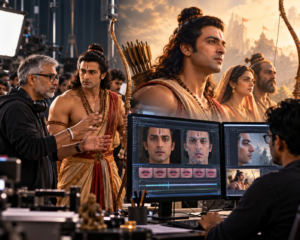
Bollywood में Artificial Intelligence का इस्तेमाल अब सिर्फ VFX और post-production तक सीमित नहीं रह गया है। AI अब filmmaking के उस हिस्से तक पहुंच रहा है जहां language, lip movement और actor performance आपस में जुड़ते हैं।
इस बहस को एक नया मोड़ मिला है Ramayana: Rise of a Legend के साथ।
Los Angeles में film के world premiere के दौरान director Nitesh Tiwari ने साफ किया कि फिल्म में AI का इस्तेमाल actors की आवाज बनाने या dubbing करने के लिए नहीं किया गया है। उनके मुताबिक AI का इस्तेमाल केवल lip-sync को सही करने के लिए किया गया है, ताकि अलग-अलग भाषाओं में dubbed dialogue के साथ characters के होंठ naturally match कर सकें। Voices real dubbing artists ने record की हैं।
लेकिन इस clarification ने एक बड़ा सवाल जरूर खड़ा कर दिया है:
अगर आज AI सिर्फ lip-sync ठीक कर रहा है, तो कल यह actor की voice, face और performance तक कितना पहुंच सकता है?
Ramayana में AI आखिर कर क्या रहा है?
Nitesh Tiwari के अनुसार AI का काम यहां काफी specific है।
जब किसी फिल्म को दूसरी language में dub किया जाता है, तो dialogue बदल जाता है लेकिन actor के original lip movements वही रहते हैं।
इससे कई बार screen पर lips और आवाज के बीच mismatch दिखाई देता है।
Ramayana में technology का इस्तेमाल इस gap को कम करने के लिए किया गया है।
यानी:
Voice — Real dubbing artist
Dialogue — Human-recorded
Lip movement synchronisation — AI-assisted
Tiwari ने specifically कहा कि AI का इस्तेमाल dubbing voices generate करने के लिए नहीं हुआ है।
यह distinction इसलिए important है क्योंकि social media पर पहले ऐसी speculation चल रही थी कि film के multilingual versions में AI-generated voices इस्तेमाल की जा रही हैं।
क्या यह Bollywood में AI का सही इस्तेमाल है?
अगर technology का उद्देश्य केवल technical problem solve करना है, तो इसे relatively controlled use माना जा सकता है।
एक Indian film को global audience तक पहुंचाने में language सबसे बड़ी challenges में से एक है।
एक ही scene को Hindi, English और दूसरी languages में dub करने के बाद अगर character का mouth movement dialogue से naturally match करे, तो international viewing experience बेहतर हो सकता है।
यही वजह है कि Ramayana जैसे large-scale global project के लिए AI-assisted lip-sync commercial advantage भी बन सकता है।
Film 5 November 2026 को worldwide theatres में release होने वाली है और इसका Los Angeles world premiere 27 October को हुआ।
लेकिन असली debate actors की identity पर है
AI का सबसे sensitive हिस्सा यहां से शुरू होता है।
आज technology किसी actor की voice को clone कर सकती है।
Face को digitally modify किया जा सकता है।
Lip movements बदले जा सकते हैं।
Body और facial expressions तक digitally manipulate किए जा सकते हैं।
अगर future में किसी actor की permission के बिना उसकी voice या face को दूसरे scenes में reproduce किया जाने लगे, तो सवाल सिर्फ technology का नहीं रहेगा।
यह identity और ownership का सवाल बन जाएगा।
एक actor की सबसे valuable assets में उसकी:
- Voice
- Face
- Performance
- Screen identity
- Personal likeness
शामिल हैं।
अगर AI इन सभी को digitally reproduce कर सकता है, तो Bollywood को यह तय करना होगा कि इन assets के legal rights किसके पास होंगे।
Ramayana ने एक important line अभी clear कर दी है
Ramayana controversy में सबसे महत्वपूर्ण बात यही है कि makers ने AI-generated voices से दूरी साफ कर दी है।
Nitesh Tiwari ने कहा कि different language versions की voices real artists ने dub की हैं। AI केवल lip movement को dialogue के साथ synchronise करने में मदद कर रहा है।
यह distinction dubbing artists के लिए भी important है।
अगर AI voices generate करने लगे तो traditional dubbing industry पर direct economic impact पड़ सकता है।
लेकिन अगर AI केवल lip-sync जैसे technical task को improve करता है और human voice artists काम करते रहते हैं, तो technology का role replacement से ज्यादा augmentation का हो सकता है।
क्या AI dubbing artists की jobs बचा पाएगा या खत्म करेगा?
यही Bollywood की आने वाली बड़ी debates में से एक हो सकती है।
एक तरफ studios multilingual releases को तेजी से produce करना चाहते हैं।
दूसरी तरफ dubbing artists चाहते हैं कि उनकी creative और professional value बनी रहे।
AI-generated voice technology theoretically एक voice को multiple languages में reproduce कर सकती है।
लेकिन human dubbing में सिर्फ शब्द नहीं होते।
Voice artist emotion, timing, character personality और cultural context भी interpret करता है।
इसलिए future शायद पूरी तरह AI vs human नहीं होगा।
बल्कि:
Human Voice + AI Technology
का hybrid model ज्यादा practical हो सकता है।
Ramayana का current approach इसी direction का एक example माना जा सकता है।
क्या actors को अपनी AI identity के लिए अलग contract चाहिए?
यह आने वाले समय का सबसे बड़ा legal question हो सकता है।
अगर कोई actor किसी film के लिए contract sign करता है, तो contract में आम तौर पर performance, publicity और likeness से जुड़े rights define किए जाते हैं।
लेकिन AI के बाद नए सवाल पैदा हो रहे हैं:
क्या actor की voice को AI training के लिए इस्तेमाल किया जा सकता है?
क्या उसके face का digital version future project में इस्तेमाल किया जा सकता है?
क्या actor के पुराने scenes को AI से modify किया जा सकता है?
क्या उसकी performance को दूसरे language version के लिए digitally recreate किया जा सकता है?
और सबसे महत्वपूर्ण:
इन rights के लिए actor को अलग compensation मिलेगा या नहीं?
Bollywood के existing contracts को आने वाले समय में इन questions के लिए ज्यादा detailed बनना पड़ सकता है।
Ramayana का scale इस debate को और बड़ा बनाता है
Ramayana कोई सामान्य Bollywood project नहीं है।
Film में Ranbir Kapoor, Sai Pallavi और Yash प्रमुख भूमिकाओं में हैं, जबकि Sunny Deol और Ravi Dubey भी महत्वपूर्ण roles में हैं। Film को दो parts में बनाया जा रहा है और इसका पहला part 5 November को worldwide release होना है।
इसका target केवल Indian audience नहीं है।
Yash ने Los Angeles premiere के दौरान Ramayana को Indian culture और heritage को global audience तक पहुंचाने का माध्यम बताया।
ऐसे में multilingual technology की importance naturally बढ़ जाती है।
अगर AI-assisted lip-sync किसी Indian film को कई international markets में ज्यादा natural viewing experience दे सकता है, तो यह Indian cinema के global expansion का useful tool बन सकता है।
क्या AI Bollywood की creativity बढ़ाएगा?
AI का सही इस्तेमाल filmmaking को faster और more flexible बना सकता है।
For example:
Multilingual lip-sync
एक ही performance को अलग languages में ज्यादा naturally present करना।
VFX
Complex visual environments और effects को develop करने में assistance।
Pre-visualisation
Director को scene और camera planning जल्दी test करने में मदद।
Post-production
Editing, cleanup और technical workflows को faster बनाना।
Accessibility
Multiple languages में content को ज्यादा efficiently distribute करना।
लेकिन problem तब शुरू होती है जब technology creative ownership को replace करने लगे।
Creativity और Automation के बीच boundary कहां होगी?
यही Bollywood के लिए सबसे difficult question है।
अगर AI सिर्फ technical काम कर रहा है, तो filmmakers इसे productivity tool मान सकते हैं।
लेकिन अगर AI actor की performance generate करने लगे, script लिखने लगे, voice create करे और director के creative decisions भी influence करे, तो filmmaking की traditional definition बदल जाएगी।
तब सवाल होगा:
Film का creator कौन है?
Actor?
Director?
Writer?
Studio?
या AI system?
इसका जवाब आने वाले वर्षों में cinema industry को collectively तय करना पड़ेगा।
Bollywood को Hollywood से पहले सीखना चाहिए?
Global entertainment industry पहले ही AI-related contracts और actor rights पर debate देख चुकी है।
Bollywood के लिए यह एक opportunity भी है।
Indian film industry अभी ऐसे rules और contracts develop कर सकती है जिनमें AI-related rights पहले से clearly define हों।
उदाहरण के लिए actor contracts में अलग clauses हो सकते हैं:
- AI voice usage
- Digital likeness rights
- Face recreation
- Performance replication
- AI training permissions
- Posthumous digital use
- Additional compensation
इससे future disputes को पहले ही कम किया जा सकता है।
Ramayana का AI experiment एक बड़ा signal क्यों है?
क्योंकि यहां AI को completely reject भी नहीं किया गया और completely human filmmaking का replacement भी नहीं बनाया गया।
Technology का इस्तेमाल एक specific problem solve करने के लिए किया गया:
Different languages + natural lip movement.
यह शायद Bollywood के लिए AI adoption का ज्यादा practical रास्ता हो सकता है।
पहले technology उन areas में आए जहां वह human creativity को replace नहीं बल्कि improve करे।
और जैसे-जैसे AI capabilities बढ़ें, industry धीरे-धीरे नए boundaries define करे।
क्या Actors की Identity सुरक्षित रहेगी?
यह आने वाले दशक का सबसे बड़ा सवाल हो सकता है।
आज एक actor के लिए अपनी voice और face पर control professional necessity है।
कल यही control उनकी digital identity पर भी लागू होगा।
अगर AI किसी actor की exact voice और appearance recreate कर सकता है, तो actor की permission और compensation के बिना ऐसा इस्तेमाल industry के लिए बड़ा conflict बन सकता है।
इसलिए Bollywood को AI adoption के साथ-साथ AI rights framework पर भी काम करना होगा।
Conclusion: Ramayana ने AI को लेकर एक नई बहस शुरू कर दी है
Ramayana में AI के इस्तेमाल को लेकर जो speculation शुरू हुई थी, Nitesh Tiwari की clarification ने उसका एक हिस्सा साफ कर दिया है।
AI voices नहीं बना रहा। Real artists dubbing कर रहे हैं। AI lip-sync को match कर रहा है।
लेकिन यही छोटी-सी technology आने वाले समय की बड़ी transformation की तरफ इशारा करती है।
आज AI actor के lips को dialogue के साथ match कर रहा है।
कल शायद वही technology actor की voice, face या performance को digitally reproduce करने की क्षमता रखे।
इसलिए असली सवाल यह नहीं है कि Bollywood में AI आएगा या नहीं।
AI आ चुका है।
असली सवाल है:
Bollywood AI को किस सीमा तक इस्तेमाल करेगा—and क्या actors की identity, creativity और rights उस technology की speed से आगे चल पाएंगे?
Ramayana की कहानी शायद इसी नए AI-Cinema era की शुरुआती झलक है।