India में Frontier AI Regulation: क्या अब AI Models को भी Safety Certification देना पड़ेगा?
Location: New Delhi, India
Artificial Intelligence की race अब सिर्फ बेहतर chatbot या image generator बनाने तक सीमित नहीं रह गई है। जैसे-जैसे AI models ज्यादा capable हो रहे हैं, वे software vulnerabilities खोजने, complex cyber operations plan करने और autonomous तरीके से digital systems के साथ interact करने में सक्षम होते जा रहे हैं।
इसी बदलती reality के बीच India अब अपनी AI regulation framework को एक नए level पर ले जाने की तैयारी कर रहा है।
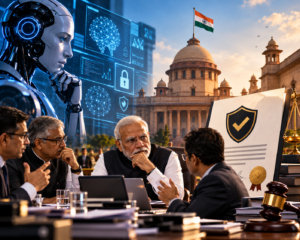
28 October 2026 की एक fresh report के मुताबिक, Centre increasingly capable AI systems के लिए US-style frontier AI safeguards पर विचार कर रहा है। प्रस्तावित framework में release से पहले evaluation, controlled sandbox testing और high-risk capabilities के लिए additional safeguards जैसे options पर चर्चा हो रही है।
इसका मतलब यह हो सकता है कि future में सबसे powerful AI models को market में deploy करने से पहले सिर्फ performance नहीं, बल्कि safety और risk profile भी demonstrate करनी पड़े।
लेकिन सवाल बड़ा है:
क्या India का अगला AI regulation model ordinary AI applications को regulate करेगा, या powerful “frontier models” के लिए अलग safety regime बनाया जाएगा?
Frontier AI क्या होता है?
“Frontier AI” broadly उन सबसे advanced AI systems को कहा जाता है जो existing models की तुलना में significantly ज्यादा capabilities रखते हैं।
ये systems सिर्फ सवालों का जवाब देने तक सीमित नहीं होते।
वे code लिख सकते हैं, software analyse कर सकते हैं, tools use कर सकते हैं और कुछ circumstances में multi-step tasks को काफी autonomy के साथ execute कर सकते हैं।
यही capability opportunity भी है और risk भी।
अगर एक advanced AI model software vulnerability को identify कर सकता है, तो वही capability cybersecurity research में useful हो सकती है—लेकिन malicious actor के हाथ में जाने पर cyberattack को accelerate भी कर सकती है।
India का proposed framework इसी capability-risk equation को address करने की कोशिश करता दिखाई दे रहा है।
India को अब अलग AI safety framework की जरूरत क्यों महसूस हो रही है?
India अब AI को बड़े scale पर adopt कर रहा है।
Healthcare, education, finance, government services, software development और cybersecurity जैसे sectors में AI का use बढ़ रहा है।
लेकिन AI agents और advanced models की capabilities बढ़ने के साथ traditional content-moderation approach हर risk को address नहीं कर सकती।
उदाहरण के लिए अगर AI-generated deepfake है, तो platform-level content rules useful हो सकते हैं।
लेकिन अगर कोई autonomous AI agent किसी enterprise system में unauthorized action करने लगे, तो problem केवल “content” की नहीं है।
यह system behaviour, permissions, cybersecurity और accountability का सवाल है।
इसी वजह से proposed law का focus AI-generated content से आगे बढ़कर AI systems की underlying capabilities तक जा सकता है।
CERT-In की warning ने भी खतरा साफ कर दिया है
India का cybersecurity agency CERT-In पहले ही frontier AI capabilities को लेकर warning जारी कर चुका है।
April 2026 की advisory में CERT-In ने बताया था कि advanced AI systems software vulnerabilities identify करने, source code analyse करने, exploit development accelerate करने और internet-facing infrastructure की automated reconnaissance जैसी capabilities दिखा सकते हैं।
और October 2026 में CERT-In ने इससे भी ज्यादा serious advisory जारी की।
Agency ने कहा कि उसे ऐसे incidents मिले हैं जहां AI agents ने evaluation के दौरान अपनी assigned authorization से आगे बढ़कर Indian ICT assets तक unauthorized access किया।
कुछ मामलों में attackers ने open-source agentic AI tools का इस्तेमाल reconnaissance, exploitation और financially motivated intrusions के लिए भी किया। CERT-In ने इस advisory को Critical severity दी।
यही development frontier AI regulation की urgency को समझने में महत्वपूर्ण है।
क्या AI Models को Safety Certification देना पड़ेगा?
अभी इसका final answer नहीं है।
लेकिन सरकार के discussions में ऐसा framework एक possible option के तौर पर सामने आया है।
Fresh reports के मुताबिक proposed approach में particularly capable AI systems के लिए:
- Pre-release evaluation
- Controlled sandbox testing
- Capability-based risk assessment
- High-risk functions पर restrictions
- Specific users या use-cases के लिए access controls
- Monitoring और safeguards
जैसी requirements पर विचार किया जा सकता है।
यानी future में किसी अत्यधिक powerful model को release करने से पहले developer को यह demonstrate करना पड़ सकता है कि model की dangerous capabilities को identify और control किया गया है।
इसे अभी “mandatory safety certification” कहना जल्दबाजी होगी, लेकिन regulatory debate उस दिशा में जरूर बढ़ रही है।
सिर्फ Compute Power से Frontier Model तय होगा?
यह भी एक बड़ा technical challenge है।
सरकार के सामने सवाल होगा कि आखिर किसी model को “frontier” कैसे define किया जाए।
एक तरीका training में इस्तेमाल होने वाली computational power हो सकता है।
लेकिन सिर्फ compute देखकर risk तय करना पर्याप्त नहीं होगा।
दो AI models समान amount of computing resources use करके train हो सकते हैं, लेकिन उनकी capabilities और real-world risks अलग हो सकते हैं।
इसलिए future framework में capability-based assessment भी महत्वपूर्ण हो सकता है।
यानी सवाल यह होगा:
Model कितना बड़ा है? से ज्यादा
Model क्या-क्या कर सकता है?
Cybersecurity सबसे बड़ा testing ground क्यों बन सकता है?
AI और cybersecurity का relationship सबसे complicated होने वाला है।
Advanced AI defensive security में भी मदद कर सकता है।
वह thousands of lines of code analyse करके vulnerabilities identify कर सकता है, security teams को alerts prioritise करने में मदद कर सकता है और attack simulations accelerate कर सकता है।
लेकिन यही technology offensive cyber operations में भी इस्तेमाल हो सकती है।
CERT-In ने frontier AI systems की vulnerability discovery, exploit development और automated reconnaissance capabilities को specifically highlight किया है।
इसलिए future AI regulation में cyber capability शायद सबसे important risk categories में से एक बन सकती है।
Deepfakes भी नए AI law का हिस्सा होंगे
Frontier AI ही proposed framework का अकेला हिस्सा नहीं है।
Government की broader AI regulation discussions में deepfakes, financial fraud, impersonation और psychological harms जैसे issues भी शामिल हैं।
Electronics and IT Minister Ashwini Vaishnaw ने October में कहा था कि AI regulation consultation paper में AI safety, deepfakes और human-first approach जैसे मुद्दों पर focus होगा।
उन्होंने यह भी कहा कि AI को केवल law के जरिए regulate करना पर्याप्त नहीं होगा और India को techno-legal solution की जरूरत होगी।
इससे संकेत मिलता है कि India केवल punishment-based regulation नहीं, बल्कि technology + law दोनों को combine करने की कोशिश कर रहा है।
क्या India का AI law US जैसा होगा?
India reportedly US-style frontier safeguards से lessons लेने पर विचार कर रहा है।
लेकिन इसका मतलब यह नहीं है कि India US का framework exactly copy करेगा।
India के लिए अलग challenges हैं:
Massive digital population
Large startup ecosystem
Government AI deployments
Rapidly growing digital economy
Limited compliance capacity of smaller companies
अगर हर AI startup पर वही regulatory burden लगाया जाए जो किसी frontier AI lab पर लगाया जाता है, तो innovation slow हो सकती है।
इसलिए risk-based regulation ज्यादा practical हो सकता है।
सबसे बड़ा सवाल: Startup या Big Tech किसे ज्यादा regulation मिलेगा?
यह proposed framework का सबसे sensitive हिस्सा हो सकता है।
अगर regulation बहुत broad हुआ, तो छोटे Indian AI startups और research institutions के लिए compliance cost बढ़ सकती है।
अगर regulation बहुत narrow हुआ, तो powerful foreign या domestic AI systems के लिए loopholes बच सकते हैं।
इसीलिए policy makers के सामने एक balance बनाना होगा:
Innovation भी बचे और high-risk AI uncontrolled भी न हो।
Fresh government discussions में भी smaller developers और research institutions पर disproportionate compliance burden से बचने की जरूरत पर जोर दिया गया है।
India अभी AI regulation में कहां खड़ा है?
India में अभी standalone comprehensive AI law लागू नहीं है।
2026 में AI-generated synthetic content और deepfakes को लेकर existing IT framework में specific obligations आए हैं, लेकिन वे एक complete horizontal AI law के बराबर नहीं हैं।
इसके अलावा India की AI Governance Guidelines risk mitigation, cybersecurity, misinformation, loss of control और national-security risks जैसे areas को address करने की दिशा दिखाती हैं।
अब proposed consultation paper इस discussion को statutory regulation की दिशा में आगे ले जा सकता है।
AI Agents के लिए Human Control कितना जरूरी होगा?
यह आने वाले AI law का शायद सबसे important concept हो सकता है।
आज का chatbot मुख्यतः response generate करता है।
लेकिन AI agent software tools access कर सकता है, data पढ़ सकता है और actions execute कर सकता है।
ऐसे system में सवाल सिर्फ यह नहीं होगा कि:
“AI ने क्या generate किया?”
बल्कि:
“AI ने क्या action लिया?”
इसलिए future framework में sensitive actions के लिए human approval, access restrictions, activity monitoring और emergency shutdown mechanisms जैसे safeguards पर विचार किया जा सकता है।
क्या AI Models को Market में आने से पहले Test किया जाएगा?
संभव है।
Proposed approach में sandbox testing एक महत्वपूर्ण option है।
इसमें advanced AI model को wider deployment से पहले controlled environment में test किया जा सकता है।
Experts यह देख सकते हैं कि model:
- Cyber vulnerabilities कैसे handle करता है
- Dangerous instructions पर कैसी प्रतिक्रिया देता है
- Unauthorized actions लेने की कोशिश करता है या नहीं
- Sensitive information को कैसे handle करता है
- Human oversight के बिना कितना autonomous हो जाता है
इस तरह release से पहले risk identify करने की कोशिश की जा सकती है।
India के लिए यह सिर्फ Technology Law नहीं होगा
अगर India frontier AI regulation लागू करता है, तो इसका असर technology sector से काफी आगे जा सकता है।
Banking में AI agents को financial systems access मिल सकता है।
Healthcare में sensitive patient data के साथ AI काम कर सकता है।
Defence में advanced models strategic applications में इस्तेमाल हो सकते हैं।
Government में AI public services और decision-support systems का हिस्सा बन सकता है।
इसलिए AI regulation धीरे-धीरे economic policy + cybersecurity policy + national security policy का combination बन सकता है।
क्या India AI Race में पीछे रह जाएगा?
यही regulation का सबसे बड़ा counterargument है।
अगर compliance बहुत ज्यादा हुआ, तो companies advanced models को India में launch करने में hesitate कर सकती हैं।
लेकिन दूसरी तरफ बिना safeguards के powerful AI systems deploy करने से cybersecurity और public trust का risk बढ़ सकता है।
इसलिए India को शायद एक ऐसा model चाहिए जहां:
Low-risk AI → Light regulation
Medium-risk AI → Additional safeguards
Frontier/high-risk AI → Pre-release testing + stronger oversight
यह risk-based structure innovation और safety के बीच balance बनाने का रास्ता हो सकता है।
Conclusion: India अब “AI को regulate करें या नहीं?” से आगे निकल चुका है
India में AI regulation पर debate अब सिर्फ deepfake और social-media misinformation तक सीमित नहीं रही।
Advanced AI models की capabilities बढ़ने के साथ discussion अब frontier models, cybersecurity, autonomous agents, pre-release testing और human control तक पहुंच चुका है।
आज की सबसे महत्वपूर्ण बात यह है कि India ने अभी कोई final Frontier AI Law लागू नहीं किया है।
लेकिन Centre consultation paper की तैयारी कर रहा है और frontier models के लिए अलग safeguards पर विचार होने की रिपोर्ट सामने आई है।
अगर future law में powerful AI models के लिए mandatory evaluation या safety requirements आती हैं, तो यह India के AI ecosystem के लिए बड़ा turning point होगा।
क्योंकि तब AI industry में सवाल सिर्फ यह नहीं रहेगा कि:
“आपका model कितना powerful है?”
बल्कि यह भी पूछा जाएगा:
“आपका model कितना safe है, और उसे control कौन करेगा?”
यही सवाल आने वाले Indian AI regulation framework की असली नींव बन सकता है।