SEBI का AI Model: क्या Stock Market की निगरानी अब AI करेगा?
Location: Mumbai, Maharashtra
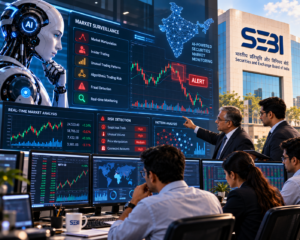
Stock market की निगरानी traditionally regulators, analysts, rules और large-scale data systems के combination से होती रही है। लेकिन जैसे-जैसे Indian securities market तेजी से digital, algorithmic और interconnected होता जा रहा है, SEBI भी market surveillance को AI-powered बनाने की दिशा में तेजी से आगे बढ़ रहा है।
October 2026 में यह development और महत्वपूर्ण हो गया है। SEBI Chairman Tuhin Kanta Pandey ने कहा है कि securities market में Artificial Intelligence और Machine Learning के responsible use के लिए guidelines जल्द लाई जाएंगी। Proposed framework में clear accountability, data controls, kill switches और human oversight जैसे safeguards शामिल होंगे।
इसी बीच SEBI का PolicyTwin prototype 14 October को C:>DIR Global के “Agentic Regulator” hackathon में first position पर आया। यह संकेत देता है कि regulator अब सिर्फ AI को regulate करने की तैयारी नहीं कर रहा, बल्कि regulatory technology में AI और agentic systems के practical use को भी explore कर रहा है।
लेकिन बड़ा सवाल है:
क्या आने वाले समय में Stock Market की निगरानी इंसानों से ज्यादा AI करेगा?
SEBI AI की तरफ क्यों बढ़ रहा है?
Indian securities market अब पहले से कहीं ज्यादा complex है।
हर दिन करोड़ों transactions, algorithmic trades, derivatives activity, broker data, investor behaviour और market movements generate होते हैं।
Traditional surveillance systems predefined rules और alerts के आधार पर suspicious activity identify करते हैं।
लेकिन AI का advantage यह है कि वह huge datasets में ऐसे patterns और relationships identify कर सकता है जिन्हें human analysts या simple rule-based systems miss कर सकते हैं।
SEBI पहले से data, analytics और AI का इस्तेमाल करके supervision को reactive model से predictive model की तरफ ले जाने की बात कर चुका है। Global FinTech Fest 2026 में Pandey ने कहा था कि regulator का उद्देश्य emerging risks को पहले identify करना है, न कि केवल घटना के बाद कार्रवाई करना।
यानी future model कुछ ऐसा हो सकता है:
Suspicious trade → AI detects pattern → Risk score → Human investigation → Regulatory action
क्या SEBI अपना AI Model बना रहा है?
यहां terminology को समझना जरूरी है।
अभी यह कहना कि “SEBI ने अपना ChatGPT-style India-specific AI model बना लिया है” सही नहीं होगा।
Confirmed development ज्यादा व्यापक है।
SEBI AI-based supervisory systems, regulatory technology और responsible-AI framework पर काम कर रहा है। इसके अलावा PolicyTwin prototype का development भी agentic regulatory technology की दिशा में एक महत्वपूर्ण experiment है।
SEBI ने AI Sandbox की संभावना भी explore की है, जहां financial-market participants controlled environment में AI applications को test कर सकेंगे। इससे regulator को नई technology के risks समझने और safeguards तैयार करने में मदद मिल सकती है।
इसलिए असली कहानी “SEBI का एक AI model” नहीं बल्कि:
“SEBI का AI-powered regulatory ecosystem”
बनने की है।
AI Stock Market में क्या-क्या पकड़ सकता है?
AI-based surveillance कई तरह के unusual behaviour को identify करने में मदद कर सकता है।
1. Market Manipulation
अगर किसी stock में unusual trading patterns दिखाई देते हैं, AI historical और real-time data को compare करके suspicious behaviour flag कर सकता है।
2. Insider Trading Patterns
Related accounts, trading timing और price-sensitive events के बीच relationships को analyse किया जा सकता है।
3. Fraud Detection
Large-scale transaction data में unusual clusters या abnormal behaviour identify करना AI systems के लिए comparatively आसान हो सकता है।
4. Algorithmic Trading Risk
High-frequency और algorithmic trading systems market में बहुत तेजी से activity generate करते हैं। AI इन्हें continuously monitor करने में मदद कर सकता है।
5. Investor Behaviour
AI market behaviour के साथ-साथ investor activity के unusual patterns को भी analyse कर सकता है।
यानी regulator के पास सिर्फ “क्या हुआ?” का जवाब नहीं होगा।
Future में सवाल हो सकता है:
“अगले कुछ समय में क्या risk पैदा हो सकता है?”
SEBI का “Kill Switch” इतना महत्वपूर्ण क्यों है?
SEBI के proposed AI framework में kill switch और human oversight का उल्लेख खास तौर पर महत्वपूर्ण है।
क्यों?
क्योंकि financial markets में AI की गलती का impact बहुत तेजी से फैल सकता है।
मान लीजिए कोई AI system गलत signal generate करता है और उसी signal के आधार पर automated decisions लिए जाते हैं।
अगर system uncontrolled है, तो एक छोटी technical या model error बड़े financial consequences में बदल सकती है।
इसलिए kill switch का मतलब है कि जरूरत पड़ने पर AI-driven process को तुरंत रोकने की क्षमता regulator या authorised human operator के पास रहे।
यही वजह है कि SEBI का proposed approach fully autonomous regulator से ज्यादा human + AI regulator जैसा दिखाई देता है।
AI भी गलत हो सकता है
AI को market surveillance का magic solution समझना खतरनाक होगा।
Models biased data से गलत conclusions निकाल सकते हैं।
False positives पैदा हो सकते हैं।
कुछ legitimate trading patterns suspicious दिखाई दे सकते हैं।
और सबसे बड़ी समस्या है explainability।
अगर AI किसी transaction को suspicious बताता है, तो regulator को यह समझना होगा कि उसने ऐसा क्यों किया।
Financial regulation में सिर्फ prediction काफी नहीं है।
Decision का reason भी explain होना चाहिए।
SEBI के 2025 consultation framework में भी model governance, continuous monitoring, exception handling, fallback systems, data governance और third-party AI providers की accountability पर जोर दिया गया था।
AI Model की गलती की जिम्मेदारी किसकी होगी?
यह आने वाले समय का सबसे महत्वपूर्ण regulatory question है।
अगर कोई broker AI system इस्तेमाल करता है और AI गलत output देता है, तो क्या जिम्मेदारी AI developer की होगी?
या broker की?
या third-party technology provider की?
SEBI का current approach इस point पर काफी clear है।
Regulated entities AI tool खुद develop करें या third-party vendor से लें, AI के output, investor data और applicable laws के compliance की जिम्मेदारी regulated entity की ही रहेगी।
इससे एक बड़ा principle सामने आता है:
AI decision ले सकता है, लेकिन accountability इंसान और regulated institution की रहेगी।
Cybersecurity: AI बनाम AI
AI-powered regulation के साथ एक नया cybersecurity challenge भी आएगा।
एक तरफ SEBI AI का इस्तेमाल cyber threats और market manipulation detect करने के लिए कर सकता है।
दूसरी तरफ attackers भी AI का इस्तेमाल vulnerabilities खोजने, phishing campaigns automate करने और financial systems को target करने में कर सकते हैं।
May 2026 में SEBI ने AI-based vulnerability detection tools से जुड़े emerging cybersecurity risks को लेकर advisory जारी की और एक task force बनाई थी। इसका उद्देश्य AI-driven cyber threats को assess करना और mitigation strategy तैयार करना था।
इससे future financial cybersecurity का model कुछ ऐसा हो सकता है:
AI attacks → AI detection → Human verification → AI-powered response
यानी financial markets में cybersecurity भी increasingly AI vs AI competition बन सकती है।
क्या AI छोटे investors को भी प्रभावित करेगा?
हाँ।
AI सिर्फ regulators और brokers के लिए नहीं रहेगा।
Retail investors के लिए भी AI-based advisory, trading tools और automated investment products बढ़ रहे हैं।
यही वजह है कि SEBI responsible AI usage पर जोर दे रहा है।
अगर कोई AI-based investment product unrealistic returns का दावा करता है, गलत advice देता है या investor data misuse करता है, तो regulatory framework की जरूरत होगी।
इसलिए AI regulation का objective innovation को रोकना नहीं, बल्कि यह सुनिश्चित करना है कि:
AI से market तेज हो, लेकिन market unsafe न हो।
India के लिए यह क्यों बड़ा बदलाव है?
India दुनिया के सबसे तेजी से digital होते capital markets में से एक है।
अगर SEBI AI-based predictive supervision successfully implement करता है, तो India financial regulation में एक अलग model develop कर सकता है।
जहां regulator सिर्फ rules publish नहीं करता, बल्कि:
- Real-time market data analyse करता है
- AI से suspicious behaviour identify करता है
- Cyber risks predict करता है
- Regulatory policies simulate करता है
- New AI systems को sandbox में test करता है
- Human oversight के साथ automated supervision करता है
यह traditional regulation से काफी अलग approach होगी।
क्या AI SEBI officers की जगह लेगा?
अभी इसका संकेत नहीं है।
Current framework का emphasis human oversight पर है।
यानी AI repetitive data analysis और pattern detection कर सकता है, लेकिन final regulatory decisions में human accountability बनी रहेगी।
असल बदलाव jobs खत्म करने से ज्यादा jobs की nature बदलने का हो सकता है।
Future regulator को सिर्फ financial law नहीं, बल्कि:
AI + Data Science + Cybersecurity + Market Microstructure
की understanding भी चाहिए होगी।
SEBI से आगे: क्या पूरा Financial Sector बदल सकता है?
अगर SEBI का AI regulatory model successful रहता है, तो इसका असर सिर्फ stock-market surveillance तक सीमित नहीं रहेगा।
Banks, mutual funds, brokers, exchanges, fintech companies और investment platforms को भी AI governance frameworks adopt करने पड़ सकते हैं।
इससे financial ecosystem में तीन layers बन सकती हैं:
AI for Trading
Investors और institutions AI का इस्तेमाल decisions और execution के लिए करेंगे।
AI for Risk
Financial institutions AI से risk और fraud detect करेंगे।
AI for Regulation
SEBI और दूसरे regulators AI से पूरे ecosystem की निगरानी करेंगे।
यानी future financial market में AI trader, AI risk manager और AI regulator एक ही ecosystem में operate कर सकते हैं।
सबसे बड़ा सवाल: अगर Regulator भी AI इस्तेमाल करेगा तो Market कितना Smart होगा?
AI financial markets को faster और more efficient बना सकता है।
लेकिन speed हमेशा safety नहीं होती।
अगर AI systems एक-दूसरे के signals पर react करने लगें, तो market behaviour और ज्यादा interconnected हो सकता है।
एक algorithm दूसरे algorithm को trigger कर सकता है।
एक गलत signal कई systems तक पहुंच सकता है।
इसीलिए SEBI का human oversight, data controls और kill-switch approach सिर्फ regulatory formality नहीं है।
यह future financial infrastructure की safety layer हो सकती है।
Conclusion: SEBI का Future शायद “AI Regulator” नहीं, “AI-Augmented Regulator” है
SEBI के current moves को देखकर यह कहना ज्यादा सही होगा कि India का market regulator AI-powered regulatory ecosystem की तरफ बढ़ रहा है।
PolicyTwin जैसे experiments, predictive supervision, AI Sandbox और responsible-AI framework बताते हैं कि AI अब सिर्फ stock-market participants की technology नहीं रह गई है।
Regulator भी AI race में उतर चुका है।
लेकिन इसका उद्देश्य human regulator को हटाना नहीं है।
असल लक्ष्य है:
More data → Faster detection → Better risk prediction → Human decision → Stronger market protection
अगर SEBI इस model को successfully scale करता है, तो आने वाले वर्षों में stock-market surveillance का सबसे बड़ा बदलाव शायद कोई नया trading algorithm नहीं होगा।
बल्कि वह technology होगी जो regulator को market में होने वाली गड़बड़ी होने के बाद नहीं, होने से पहले पहचानने में मदद करेगी।
और यही सवाल सबसे बड़ा है:
क्या India का अगला financial-regulation revolution AI से आएगा?