UPI का अगला Phase: 500 Million Users के बाद India का Digital Payment Model कहाँ जा रहा है?
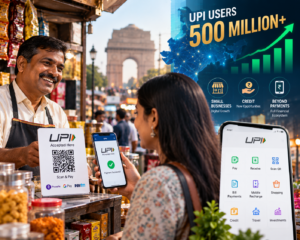
Location: New Delhi, India
India का Unified Payments Interface यानी UPI अब सिर्फ QR code scan करके payment करने का माध्यम नहीं रह गया है।
आज यह India के digital economy infrastructure का एक बड़ा हिस्सा बन चुका है। छोटे दुकानदार से लेकर large retailers तक, online commerce से लेकर financial services तक—UPI ने payment behaviour को बदल दिया है।
इस transformation का latest signal fintech company Pine Labs के results से मिला है। Reuters के मुताबिक Pine Labs का second-quarter profit साल-दर-साल छह गुने से ज्यादा बढ़ा, जबकि India में UPI इस्तेमाल करने वालों की संख्या 500 million से ऊपर पहुंच चुकी है।
लेकिन असली सवाल profit growth या user count नहीं है।
सवाल यह है:
क्या UPI अब India की payment technology से आगे बढ़कर एक complete financial infrastructure बन रहा है?
Pine Labs का profit jump क्या बताता है?
Pine Labs ने October 29 को अपने latest quarterly results में strong profit growth report की।
Reuters के अनुसार company का second-quarter profit पिछले साल की समान अवधि के मुकाबले छह गुने से ज्यादा बढ़ा। इस growth को India में digital payment services की बढ़ती demand से support मिला। कंपनी के shares भी results के बाद करीब 6% तक चढ़े।
यह development इसलिए important है क्योंकि fintech companies के लिए UPI एक तरफ massive transaction volume create कर रहा है, तो दूसरी तरफ payment infrastructure के ऊपर नए business models बनाने का opportunity भी दे रहा है।
Pine Labs खुद payment processing से आगे merchant infrastructure, affordability, credit और AI-led commerce जैसे areas में expand कर रही है। कंपनी के FY26 disclosures के मुताबिक उसके platform ने करीब $194 billion का Gross Transaction Value process किया और UPI volumes 68% बढ़े।
500 Million UPI Users का असली मतलब क्या है?
500 million users सिर्फ एक बड़ा number नहीं है।
यह India की population के एक बहुत बड़े हिस्से को एक common digital payment rail पर लाता है।
एक customer UPI से ₹50 की chai भी pay कर सकता है और हजारों रुपये की shopping भी।
यानी UPI ने transaction size की boundaries काफी हद तक तोड़ दी हैं।
Reuters के मुताबिक UPI अब everyday purchases से लेकर high-value consumer goods तक के transactions में इस्तेमाल हो रहा है।
इसका सबसे बड़ा फायदा यह है कि digital payment behaviour अब सिर्फ urban smartphone users तक सीमित नहीं रहा।
UPI से आगे: Credit का अगला दरवाजा
UPI की अगली बड़ी opportunity credit हो सकती है।
जब transaction ecosystem digital होता है, तो financial institutions के पास consumer और merchant behaviour से जुड़े ज्यादा structured data points उपलब्ध होते हैं।
यही data responsible तरीके से इस्तेमाल करके credit assessment, offers और affordability products को improve किया जा सकता है।
Pine Labs ने भी अपने platform पर affordability और credit infrastructure को expand किया है। FY26 में company ने बताया कि उसका affordability network 450 से ज्यादा brands और 40 से ज्यादा credit issuers से जुड़ा था।
इसका मतलब है कि future में payment और credit अलग-अलग systems की तरह काम करने के बजाय एक connected financial journey का हिस्सा बन सकते हैं।
UPI और Small Businesses
UPI revolution का सबसे बड़ा impact शायद consumers से ज्यादा small businesses पर पड़ा है।
एक छोटे retailer के लिए digital payment acceptance का मतलब सिर्फ payment receive करना नहीं है।
इसके साथ:
- Digital transaction history
- Faster reconciliation
- Online commerce integration
- Customer offers
- Loyalty programmes
- Credit opportunities
जैसी possibilities भी जुड़ती जा रही हैं।
Pine Labs जैसे fintech platforms इसी payment infrastructure के ऊपर merchant software और financial services build कर रहे हैं।
Company ने September 2026 में India में 10 lakh Soundboxes deploy करने की strategic investment की घोषणा भी की थी, जिसका उद्देश्य digital payment infrastructure को छोटे और नए merchant segments तक deepen करना है।
लेकिन UPI का अगला बड़ा सवाल है — Monetisation
UPI की सबसे बड़ी ताकत लंबे समय तक इसका low-cost या zero-cost consumer experience रहा है।
लेकिन इतने बड़े infrastructure को sustainably operate करने के लिए monetisation का सवाल लगातार important होता जा रहा है।
October 2026 में India ने ₹2,000 से ऊपर के eligible UPI merchant transactions पर 0.4% merchant fee लागू करने की योजना बनाई थी।
हालांकि NPCI ने इसे Diwali के बाद तक postpone कर दिया। Reuters के मुताबिक decision का उद्देश्य festive shopping season में disruption से बचना और payment companies को systems upgrade करने का अतिरिक्त समय देना था।
यह development बताता है कि UPI का अगला phase सिर्फ adoption नहीं बल्कि sustainable economics पर भी depend करेगा।
PhonePe और Google Pay की Dominance
UPI ecosystem में competition भी काफी concentrated है।
Reuters के अनुसार August में PhonePe और Google Pay ने मिलकर UPI transaction value का लगभग 80% हिस्सा account किया।
इस concentration का मतलब है कि India के digital payments ecosystem में scale बहुत महत्वपूर्ण है।
जिस company के पास ज्यादा users हैं, उसके पास merchants, financial products, offers और ecosystem integrations expand करने का ज्यादा opportunity होता है।
यही कारण है कि UPI अब सिर्फ payment app competition नहीं रहा।
यह एक broader financial ecosystem competition बन रहा है।
UPI + AI: अगला बड़ा बदलाव
UPI का सबसे interesting future शायद Artificial Intelligence के साथ इसका integration है।
Pine Labs पहले ही agentic commerce की direction में काम कर रही है।
Company ने June 2026 में Pine Labs Payment Protocol यानी P3P announce किया था, जिसका उद्देश्य AI agents को UPI-based payments execute करने में सक्षम बनाना है।
अगर यह model बड़े scale पर काम करता है, तो future में consumer खुद हर transaction manually initiate करने के बजाय AI agent को shopping task दे सकता है।
उदाहरण के लिए:
“मेरे लिए ₹2,000 के अंदर best headphones ढूंढो और खरीद लो।”
AI agent product search करेगा, options compare करेगा और authorised payment infrastructure के जरिए transaction complete कर सकता है।
इस scenario में UPI सिर्फ human-to-business payment rail नहीं रहेगा।
यह AI-to-business commerce infrastructure भी बन सकता है।
क्या UPI India का Digital Financial Operating System बन सकता है?
यह possibility अब पहले से ज्यादा realistic दिखाई देती है।
UPI के ऊपर धीरे-धीरे कई layers जुड़ रही हैं:
Payments → Credit → Commerce → Loyalty → Analytics → AI
यही transition UPI को simple payment system से broader financial infrastructure में बदल सकता है।
Pine Labs के FY26 disclosures में भी company ने खुद को payment processor से आगे बढ़ाकर commerce infrastructure layer बनाने की strategy बताई है।
इससे एक नया model बन सकता है जिसमें payment transaction ecosystem का entry point होगा और उसके ऊपर कई financial तथा commerce services operate करेंगी।
लेकिन Challenges भी कम नहीं हैं
UPI का scale जितना बड़ा होगा, risks भी उतने ही बड़े होंगे।
सबसे बड़ा concern होगा:
Cybersecurity
अगर India का financial ecosystem increasingly digital और real-time हो जाता है, तो fraud prevention और identity security critical बनेंगे।
दूसरा challenge होगा:
Privacy
Transaction data का इस्तेमाल credit, advertising और AI services के लिए कितना और किस तरह किया जाना चाहिए—यह regulatory debate को और important बनाएगा।
तीसरा challenge होगा:
Monetisation
Users को low-cost digital payments देना और साथ ही payment ecosystem को commercially sustainable रखना एक difficult balance हो सकता है।
India का Digital Payment Model अब कहाँ जा रहा है?
UPI की पहली कहानी थी:
“Cash से Digital Payment.”
दूसरी कहानी बनी:
“Payment से Financial Inclusion.”
अब तीसरी कहानी शुरू होती दिखाई दे रही है:
“Payment से Complete Digital Commerce Infrastructure.”
जहां UPI transaction का अंत नहीं, बल्कि financial journey की शुरुआत हो सकता है।
Customer payment करता है → merchant transaction receive करता है → data generates होता है → offers और credit जुड़ते हैं → commerce services integrate होती हैं → और future में AI agents transaction initiate कर सकते हैं।
यही UPI के next phase की सबसे बड़ी possibility है।
Conclusion: UPI अब सिर्फ QR Code नहीं है
India में 500 million से ज्यादा UPI users का milestone दिखाता है कि digital payments अब mainstream behaviour बन चुका है।
लेकिन असली transformation अभी खत्म नहीं हुआ है।
Pine Labs जैसे fintech players payment infrastructure के ऊपर credit, merchant services, AI और commerce layers जोड़ने की कोशिश कर रहे हैं।
अगर यह ecosystem सफलतापूर्वक scale होता है, तो UPI की पहचान सिर्फ “India का digital payment system” नहीं रहेगी।
यह India की broader digital financial infrastructure का backbone बन सकता है।
और शायद आने वाले वर्षों में सबसे बड़ा सवाल यह नहीं होगा कि:
“क्या आप UPI से payment करते हैं?”
बल्कि यह होगा:
“आपकी पूरी digital financial life UPI infrastructure पर कितनी निर्भर हो चुकी है?”