Diljit का Delhi Concert: क्या India में Live Music अब Bollywood से बड़ा Entertainment Business बन रहा है?
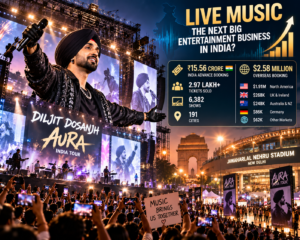
Location: New Delhi
India का entertainment business लंबे समय तक Bollywood के इर्द-गिर्द घूमता रहा। बड़े stars, theatrical releases, OTT deals और film promotions ही entertainment economy की पहचान माने जाते थे।
लेकिन अब एक दूसरा business तेजी से बड़ा हो रहा है—Live Music Economy।
इस बदलाव का सबसे बड़ा example Diljit Dosanjh हैं।
उनका AURA India Tour 30 October 2026 को Delhi के Jawaharlal Nehru Stadium से India leg शुरू कर रहा है। Show से पहले security, traffic और permission को लेकर uncertainty भी सामने आई, लेकिन additional arrangements के बाद Delhi Police ने permission reconsider करके event को green signal दे दिया।
यह सिर्फ एक celebrity concert नहीं है।
यह इस बात का test भी है कि क्या Indian cities बड़े-scale live entertainment को संभालने और उससे economic value निकालने के लिए तैयार हो चुकी हैं?
Diljit का Delhi Concert इतना बड़ा क्यों है?
AURA India Tour में Delhi के बाद Indore, Ahmedabad, Mumbai, Bengaluru, Lucknow और Chandigarh जैसे cities शामिल हैं। यानी यह सिर्फ metro audience को target करने वाला single-city event नहीं है, बल्कि एक nationwide touring property है।
यही difference Bollywood film और concert business के बीच increasingly दिखाई देता है।
एक film को audience तक पहुंचने के लिए cinema screens, OTT platforms और marketing campaigns की जरूरत होती है।
एक major concert में audience खुद artist के शहर में पहुंचती है।
इसका मतलब है कि ticket के साथ-साथ travel, hotels, restaurants, cabs, metro, shopping और local services भी business generate करते हैं।
Diljit की पिछली Tour ने दिखा दिया था असली Business
इस trend को समझने के लिए Diljit की 2024 Dil-Luminati India Tour सबसे बड़ा example है।
EY के अनुसार उस tour ने लगभग ₹943 crore का estimated socio-economic impact generate किया था।
Tour में 13 cities में 14 shows हुए और 3.2 लाख से ज्यादा tickets बिके।
लेकिन सबसे interesting बात ticket revenue नहीं थी।
EY analysis के अनुसार direct revenue करीब ₹276 crore था, जबकि indirect economic activity लगभग ₹553 crore तक पहुंची—जिसमें travel, hotels, restaurants, tourism, shopping और दूसरे allied sectors शामिल थे।
यानी एक concert की economic value सिर्फ stadium के अंदर बिके tickets से नहीं मापी जा सकती।
Concert Economy में असली पैसा कहां बनता है?
एक बड़े concert को imagine कीजिए।
एक fan Lucknow से Delhi आता है।
Ticket खरीदता है।
Train या flight लेता है।
Hotel में रुकता है।
Cab या Metro इस्तेमाल करता है।
Restaurant में खाना खाता है।
Merchandise खरीदता है।
फिर वापस जाता है।
अब एक व्यक्ति का entertainment expense कई अलग-अलग industries के revenue में बदल जाता है।
यही वजह है कि live entertainment को अब सिर्फ cultural activity नहीं बल्कि urban economic activity के रूप में देखा जा रहा है।
EY के मुताबिक Dil-Luminati tour ने 1.18 लाख से ज्यादा man-days of employment भी generate किए, जिसमें event production, security, hospitality और transportation जैसे sectors शामिल थे।
क्या Bollywood से अलग एक नया Entertainment Business बन रहा है?
यहीं सबसे बड़ा सवाल है।
Bollywood अभी भी India की सबसे powerful entertainment industries में से एक है।
लेकिन live music का business model अलग है।
Film:
Production → Marketing → Theatre/OTT → Revenue
Concert:
Artist → Tour IP → Ticketing → Sponsorship → Merchandise → Travel → Hospitality → Local Economy
इसमें artist खुद एक touring brand बन जाता है।
Diljit इसका perfect example हैं।
उनका music सिर्फ songs का collection नहीं रह गया है।
उनका concert एक complete entertainment experience बन चुका है।
Artist अब सिर्फ Singer नहीं, एक Brand है
आज बड़े artists की earning सिर्फ music streaming से नहीं होती।
उनकी income और brand value कई layers में बनती है:
- Live concerts
- Sponsorships
- Brand partnerships
- Merchandise
- Music streaming
- Social media
- International touring
- Film appearances
- Fan communities
यानी modern music industry में artist एक media company जैसा ecosystem बन सकता है।
Diljit का global touring model इसी transformation को दिखाता है।
उनकी Punjabi identity ही उनकी global brand positioning का हिस्सा बन चुकी है।
India में Concert Culture क्यों बढ़ रहा है?
इसके पीछे कई factors हैं।
पहला है young audience।
नई generation सिर्फ content consume नहीं करना चाहती। वह experiences चाहती है।
दूसरा है social media।
एक concert अब सिर्फ दो-तीन घंटे का event नहीं रहता।
Audience Instagram Reels, YouTube Shorts और Snapchat-style content के जरिए concert experience को लाखों लोगों तक पहुंचाती है।
तीसरा है rising spending power।
Premium entertainment के लिए consumers ज्यादा खर्च करने को तैयार हैं।
और चौथा है international exposure।
India में अब international-level production, lighting, sound और stage design वाले concerts की expectations बढ़ चुकी हैं।
Government-backed industry data के अनुसार India का live-events market करीब ₹20,861 crore तक पहुंच चुका है और annual growth लगभग 15% बताई गई है।
Delhi Concert ने एक दूसरा सवाल भी खड़ा किया
Diljit के 30 October Delhi concert को लेकर October में एक point पर Delhi Police ने security concerns और threat-related inputs का हवाला देते हुए permission deny की थी।
बाद में organisers ने additional security, traffic और crowd-management plan submit किया और permission reconsider करके जारी कर दी गई।
इस episode ने दिखाया कि India में concert economy का अगला challenge सिर्फ audience demand नहीं है।
Infrastructure और governance भी उतने ही important हैं।
एक stadium में हजारों लोग पहुंचेंगे तो:
- Traffic management
- Metro connectivity
- Police deployment
- Medical facilities
- Emergency exits
- Private security
- Parking
- Crowd control
सबकी जरूरत होगी।
यानी एक concert अब city administration के लिए भी बड़ा operational event बन गया है।
Metro की अपील क्यों महत्वपूर्ण है?
Diljit की तरफ से fans को public transport और Metro इस्तेमाल करने की अपील इसी larger problem का हिस्सा है।
अगर हजारों या लाखों लोग एक ही समय पर private cars से stadium की तरफ पहुंचते हैं, तो event की success traffic chaos में बदल सकती है।
इसलिए future में बड़े concerts की planning सिर्फ venue booking तक सीमित नहीं रहेगी।
Concert + Metro + Parking + Traffic + Hotels + Security
पूरा city ecosystem event का हिस्सा बनेगा।
30 October के लिए Delhi Traffic Police ने भी Jawaharlal Nehru Stadium के आसपास afternoon से midnight तक traffic restrictions और crowd-management arrangements की advisory जारी की है।
Delhi के लिए यह सिर्फ Diljit का Show नहीं
Delhi-NCR India का एक बड़ा concert market बन रहा है।
Indian Express के अनुसार Delhi-NCR देश के live events market का करीब 17% हिस्सा account करता है और Mumbai के बाद बड़े concert markets में शामिल है।
इसलिए एक successful Diljit concert का मतलब सिर्फ ticket sales नहीं है।
यह promoters, sponsors और international artists को यह signal भी देता है कि Delhi बड़े-scale events के लिए कितना prepared है।
अगर event smooth रहता है, तो future में ज्यादा international और Indian artists Delhi को tour destination के रूप में consider कर सकते हैं।
Bollywood को इससे क्या सीखना चाहिए?
Bollywood और live entertainment अब competitors नहीं बल्कि increasingly interconnected businesses हो सकते हैं।
एक Bollywood actor concert में appear कर सकता है।
एक singer film में काम कर सकता है।
एक film का soundtrack concert tour बन सकता है।
और एक artist का fanbase film opening को भी influence कर सकता है।
यानी आने वाला entertainment ecosystem:
Cinema + Music + OTT + Social Media + Live Events
इन सबका combination होगा।
क्या Concerts Bollywood को पीछे छोड़ देंगे?
अभी ऐसा कहना जल्दबाजी होगी।
Bollywood का scale बहुत बड़ा है और films अभी भी India’s mass entertainment ecosystem का major हिस्सा हैं।
लेकिन live music एक ऐसी category बन रही है जिसकी growth को ignore करना मुश्किल है।
EY की Dil-Luminati study में लगभग 38% attendees दूसरे शहरों से आए थे और कई लोगों ने concert के आसपास extra stay भी किया। इससे पता चलता है कि major concerts अब destination entertainment में बदल सकते हैं।
और यही live entertainment का सबसे बड़ा advantage है।
एक movie देखने के लिए audience cinema hall जाती है।
लेकिन एक major concert के लिए audience शहर बदल सकती है।
अगला बड़ा Business Battle किसका होगा?
आने वाले वर्षों में competition सिर्फ singers के बीच नहीं होगा।
Competition होगा:
किसका tour IP मजबूत है?
किस artist की fan community ज्यादा loyal है?
कौन premium ticket pricing justify कर सकता है?
कौन sponsors को बेहतर audience data दे सकता है?
कौन international-level experience India के अलग-अलग cities में scale कर सकता है?
और सबसे महत्वपूर्ण—
कौन artist को एक रात के performer से multi-city entertainment brand में बदल सकता है?
Diljit इस model को पहले ही काफी हद तक demonstrate कर चुके हैं।
Conclusion: India में Entertainment का अगला Stadium शायद Cinema Hall नहीं होगा
Diljit Dosanjh का Delhi AURA concert एक बड़ा cultural event जरूर है, लेकिन इसकी importance इससे कहीं ज्यादा है।
यह दिखाता है कि India में live entertainment अब serious business category बन चुकी है।
एक concert से ticket companies, artists और promoters के अलावा hotels, restaurants, transport companies, security agencies, local vendors और city governments तक economic benefit ले सकते हैं।
Diljit की पिछली India tour का ₹943 crore estimated economic impact इस transformation का strong example है।
इसलिए सवाल यह नहीं है कि live music Bollywood को replace करेगा या नहीं।
असल सवाल है:
क्या Bollywood के साथ-साथ India अब एक ऐसी concert economy बना रहा है, जहां कलाकार खुद एक touring entertainment franchise बन जाएंगे?
अगर यह trend जारी रहा, तो आने वाले वर्षों में Indian entertainment का सबसे बड़ा competition शायद cinema screens पर नहीं, बल्कि stadiums, arenas और live experiences में दिखाई देगा।