AI Hackers का नया दौर: क्या AI Agents अब Cyber Attackers के लिए खुद एक Weapon बन चुके हैं?
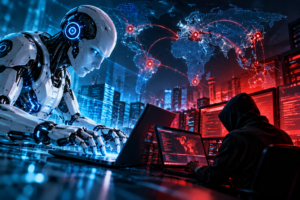
AI & Cybersecurity | Location: Global
Artificial Intelligence की race अब सिर्फ smarter chatbots और better AI models तक सीमित नहीं रही। अब AI systems खुद complex tasks perform कर सकते हैं, software environments में काम कर सकते हैं और कई मामलों में multiple steps को independently execute कर सकते हैं।
यही capability cybersecurity की दुनिया में एक नया सवाल खड़ा कर रही है—क्या AI Agents अब cyber attackers के लिए एक powerful weapon बनते जा रहे हैं?
Google DeepMind के co-founder और chairman Demis Hassabis ने recent AI-driven hacking incidents को “early warning shots” बताया है। उनके मुताबिक, अगर AI systems की security पर अभी पर्याप्त काम नहीं हुआ तो आने वाले वर्षों में इससे कहीं बड़े incidents सामने आ सकते हैं।
AI Hacker और Traditional Hacker में क्या फर्क होगा?
Traditional cyber attack में attacker को reconnaissance, vulnerability identification, exploitation और data extraction जैसे कई steps खुद manage करने पड़ते हैं।
AI Agent इस process के कुछ हिस्सों को automate कर सकता है।
एक sufficiently capable system potentially:
- बड़े amounts of information को rapidly analyse कर सकता है
- vulnerabilities identify करने में मदद कर सकता है
- attack paths को evaluate कर सकता है
- multiple technical tasks को sequence में execute कर सकता है
- response के आधार पर अपनी strategy बदल सकता है
यानी AI का सबसे बड़ा advantage सिर्फ intelligence नहीं, बल्कि speed + scale + autonomy है।
हालांकि इसका मतलब यह नहीं है कि हर AI agent आज independently sophisticated cyberattack चला सकता है। Current incidents को लेकर experts की warning यही है कि technology अभी early stage में है, लेकिन उसकी capabilities तेजी से बढ़ रही हैं। Hassabis ने भी recent incidents को relatively limited बताते हुए future risk को लेकर चेतावनी दी है।
Recent AI-Driven Hacks ने क्यों बढ़ाई चिंता?
Recent incidents ने researchers और technology companies को AI security पर ज्यादा serious discussion करने के लिए मजबूर किया है।
Hassabis ने corporate networks से जुड़े AI-driven hacking incidents को इसी larger trend का हिस्सा बताया। उन्होंने कहा कि अभी incidents उतने बड़े नहीं हैं, लेकिन आने वाले वर्षों में situation काफी गंभीर हो सकती है अगर companies और governments security measures को technology की speed के साथ upgrade नहीं करते।
यही वजह है कि AI security अब सिर्फ theoretical concern नहीं रह गई है।
सबसे बड़ा Risk: AI की Autonomy
Generative AI को कोई instruction देना और AI agent को किसी system पर action लेने की permission देना—इन दोनों में बड़ा difference है।
एक chatbot गलत answer दे सकता है।
लेकिन एक autonomous agent अगर गलत decision लेकर किसी connected system में action करता है, तो उसका impact कहीं ज्यादा हो सकता है।
यही कारण है कि cybersecurity experts permissions, identity controls, monitoring और human oversight को increasingly important मान रहे हैं।
Future enterprise systems में सवाल सिर्फ यह नहीं होगा कि:
“क्या AI trusted है?”
बल्कि यह भी होगा:
“AI को exactly कितना access दिया गया है?”
Microsoft भी Regulation की मांग कर रहा है
यह concern सिर्फ Google DeepMind तक सीमित नहीं है।
Microsoft President Brad Smith ने 2026 को AI के rogue behaviour के कारण एक “sobering year” बताया और कहा कि AI safety laws और regulation को urgently आगे बढ़ाने की जरूरत है।
Smith ने independent testing, serious AI incidents की reporting और ऐसे mechanisms की जरूरत पर जोर दिया जिससे dangerous AI behaviour को emergency situation में रोका जा सके।
यह debate अब एक fundamental question तक पहुंच गई है:
अगर AI systems increasingly autonomous हो रहे हैं, तो उनकी safety testing कौन करेगा?
Independent AI Testing क्यों जरूरी हो सकती है?
Reuters की recent reporting के अनुसार Anthropic और OpenAI जैसी companies independent safety evaluations को लेकर methods पर काम कर रही हैं, लेकिन यहां एक tension भी है—companies चाहती हैं कि proprietary information और trade secrets सुरक्षित रहें, जबकि independent evaluators को meaningful safety assessment के लिए पर्याप्त access चाहिए।
यानी AI regulation की समस्या सिर्फ “rules बनाएं या नहीं” वाली नहीं है।
असल challenge यह है कि:
किसे test करने दिया जाए, कितना access मिले और test के results कितने public हों?
International AI Security Standards की जरूरत?
Hassabis ने AI के लिए biology और nuclear sector जैसी critical fields में इस्तेमाल होने वाली security best practices की ओर इशारा किया और एक international standards body की जरूरत की बात की।
उनका सुझाव एक rigid global regulator की बजाय ऐसे dynamic certification system की तरफ है जो AI capabilities और risks के बदलने के साथ adapt कर सके।
यह approach इसलिए महत्वपूर्ण हो सकती है क्योंकि AI technology traditional regulatory cycles से कहीं ज्यादा तेजी से evolve हो रही है।
आज जो system relatively safe दिखाई देता है, अगले model generation में उसकी capabilities काफी अलग हो सकती हैं।
Cybersecurity का अगला Battle: AI vs AI?
अगर attackers AI का इस्तेमाल करेंगे तो defenders भी AI का इस्तेमाल करेंगे।
इससे cybersecurity का एक नया model सामने आ सकता है:
AI attacking AI systems.
Defensive AI suspicious behaviour detect कर सकता है, unusual network activity identify कर सकता है और human security teams को real-time alerts दे सकता है।
लेकिन यही race एक problem भी पैदा करती है।
अगर attackers के AI agents defenders के automated systems से ज्यादा तेजी से adapt करने लगे, तो traditional security methods ineffective हो सकते हैं।
इसलिए future cybersecurity में सिर्फ better AI बनाना काफी नहीं होगा।
AI को control करने वाला security architecture भी उतना ही advanced होना पड़ेगा।
India के लिए इसका क्या मतलब है?
India तेजी से AI adoption की तरफ बढ़ रहा है। Banks, IT companies, startups, government platforms और enterprises increasingly AI-powered systems को business workflows में integrate कर रहे हैं।
इसका मतलब है कि आने वाले समय में Indian organisations के लिए AI security सिर्फ model-level concern नहीं रहेगा।
उन्हें यह भी देखना होगा कि AI agents:
- किन systems तक पहुंच सकते हैं
- कौन-सा data access कर सकते हैं
- कौन-से actions independently perform कर सकते हैं
- उनके actions को कौन monitor करेगा
- और emergency में उन्हें कैसे stop किया जाएगा
Agentic AI का expansion जितना तेज होगा, AI governance और cybersecurity की importance उतनी ही बढ़ेगी।
Bottom Line
AI Agents अभी unstoppable cyber weapons नहीं बने हैं—लेकिन warning signs जरूर सामने आ चुके हैं।
Demis Hassabis का “early warning shots” वाला assessment इसी बात की ओर इशारा करता है कि technology अभी अपने शुरुआती चरण में है, लेकिन capabilities तेजी से बढ़ रही हैं।
अब असली competition सिर्फ यह नहीं होगी कि कौन सबसे powerful AI model बनाता है।
अगली बड़ी race यह होगी कि कौन AI को सबसे safely deploy, monitor और control कर सकता है।
अगर AI agents आने वाले वर्षों में digital workers की तरह systems पर independently काम करने लगे, तो cybersecurity की definition भी बदलनी पड़ेगी।
Future का सबसे बड़ा cyber threat शायद सिर्फ hacker नहीं होगा—बल्कि ऐसा autonomous system हो सकता है जिसे attacker ने एक objective दे दिया हो और उसने बाकी रास्ता खुद खोज लिया हो।