Cockroach Janta Party का Delhi Protest इतना बड़ा क्यों बन गया?
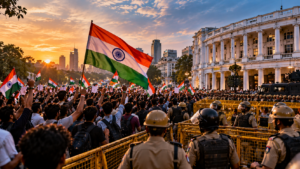
CJP का ‘Lehra Do Tiranga’ March: क्या India में Meme Politics अब Street Politics बन चुकी है?
The Indian Opinion | Politics • Democracy • Youth • Digital Culture
16 अक्टूबर 2026 को दिल्ली का Connaught Place सिर्फ shopping और business का centre नहीं रहा। देश की राजधानी का यह सबसे प्रमुख commercial district एक बड़े राजनीतिक confrontation का केंद्र बन गया।
Cockroach Janta Party यानी CJP ने Connaught Place के Central Park में ‘Lehra Do Tiranga’ march का call दिया। प्रस्तावित मार्च को लेकर दिल्ली पुलिस ने prohibitory orders लागू किए, Central Park को 16 और 17 अक्टूबर के लिए बंद किया गया और Connaught Place तथा आसपास के इलाकों में भारी security deployment किया गया।
रिपोर्टों के मुताबिक पुलिस ने हजारों सुरक्षाकर्मियों को तैनात किया और कई सड़कों पर traffic restrictions की तैयारी की। इसी बीच CJP founder Abhijeet Dipke को भी पुलिस ने हिरासत में लिया।
लेकिन इस पूरे घटनाक्रम का सबसे बड़ा सवाल यह नहीं है कि Connaught Place में कितनी पुलिस तैनात हुई।
असली सवाल है—
आखिर एक ऐसा political movement, जिसकी शुरुआत social media पर एक provocative “cockroach” label और meme culture से हुई थी, वह कुछ ही महीनों में दिल्ली की streets पर इतना बड़ा political force कैसे बन गया?
एक Meme से शुरू हुई Politics
Cockroach Janta Party का नाम अपने आप में traditional Indian politics से बिल्कुल अलग है।
जहां भारतीय राजनीति में आम तौर पर serious-sounding names, ideological slogans और established symbols देखने को मिलते हैं, वहीं CJP ने जानबूझकर एक provocative और internet-friendly identity को अपनाया।
इसका मकसद सिर्फ मजाक करना नहीं था।
एक insulting label को political identity में बदल देना अपने आप में एक communication strategy थी।
यानी—
Insult → Meme → Identity → Community → Protest → Political Movement
यही CJP की कहानी को traditional political parties से अलग बनाती है।
Indian Express के अनुसार, movement की शुरुआत 2026 में एक Supreme Court hearing से जुड़े विवाद के बाद हुई और कुछ ही समय में यह youth-led political mobilisation में बदल गया।
Meme Politics आखिर होती क्या है?
Meme politics का मतलब सिर्फ politicians के memes बनाना नहीं है।
असल में यह politics का वह तरीका है जिसमें:
- humour
- sarcasm
- viral content
- internet language
- pop culture
- short videos
- slogans
- visual symbols
political mobilisation के tools बन जाते हैं।
Traditional political campaign में party workers घर-घर जाते हैं।
Meme politics में supporters एक post को हजारों लोगों तक पहुंचा सकते हैं।
Traditional politics में rally का crowd जुटाने में दिन या हफ्ते लग सकते हैं।
Digital politics में एक viral moment कुछ घंटों में narrative बदल सकता है।
यही difference CJP जैसे movements को interesting बनाता है।
CJP सिर्फ Online Movement क्यों नहीं रहा?
किसी भी internet movement के सामने सबसे बड़ी चुनौती होती है—
क्या online anger को real-world action में बदला जा सकता है?
CJP ने इस सवाल का जवाब protests के जरिए दिया।
2026 में movement ने education, unemployment और political accountability जैसे मुद्दों पर demonstrations किए। इसके बाद आंदोलन का दायरा बढ़ता गया और Delhi protests में हजारों लोगों की participation देखने को मिली।
यानी CJP ने एक महत्वपूर्ण transition किया:
Social Media → Street Politics
यही transition किसी भी digital movement को serious political phenomenon बना सकता है।
Delhi Protest इतना बड़ा क्यों बन गया?
इसके पीछे केवल एक कारण नहीं है।
कम से कम पांच बड़े factors दिखाई देते हैं।
1. Youth Anger अब Political Identity बन रहा है
CJP की सबसे बड़ी ताकत इसका youth-centric appeal है।
Education, competitive examinations, employment और political accountability जैसे मुद्दे young Indians के लिए directly relevant हैं।
अगर किसी movement को लगता है कि established political system उनकी आवाज नहीं सुन रहा, तो social media एक alternative political space बन जाता है।
यहीं से frustration political identity में बदल सकता है।
CJP ने इसी frustration को एक recognizable identity देने की कोशिश की।
2. “Cockroach” नाम ने Attention Economy को समझा
आज politics सिर्फ ideology की competition नहीं है।
यह attention की competition भी है।
एक traditional party का नाम शायद television headlines में कुछ मिनटों के लिए आए।
लेकिन “Cockroach Janta Party” जैसा unusual नाम naturally curiosity पैदा करता है।
लोग पूछते हैं:
यह कौन हैं?
Cockroach क्यों?
इनकी मांग क्या है?
और यही curiosity social media engagement में बदल सकती है।
यह एक classic attention strategy है।
3. Protest ने Meme को Meaning दे दिया
अगर CJP केवल memes और social media posts तक सीमित रहता, तो शायद इसे internet joke के रूप में dismiss किया जा सकता था।
लेकिन जब वही identity:
रैली → नारे → गिरफ्तारी → पुलिस deployment → court proceedings
के साथ जुड़ती है, तो उसका political meaning बदल जाता है।
अब “Cockroach” सिर्फ एक meme नहीं रह जाता।
वह protest identity बन जाता है।
यही वह moment है जहां meme politics street politics में बदलती है।
4. Government Response ने भी Movement को Visibility दी
Political movements के लिए visibility बेहद महत्वपूर्ण होती है।
जब authorities किसी protest के लिए भारी security deployment करती हैं, traffic restrictions लगाती हैं और prohibitory orders लागू करती हैं, तो protest national attention हासिल कर सकता है।
16 अक्टूबर के CJP march से पहले Delhi Police ने Connaught Place में Section 163 BNSS के तहत restrictions लगाए और Central Park को बंद किया।
Police का perspective public order और security management पर है।
लेकिन protesters के perspective से यही restrictions political confrontation का symbol बन सकती हैं।
यहीं से एक interesting political cycle बनता है:
Protest → Restrictions → Media Attention → More Attention → More Mobilisation
5. Connaught Place को चुनना भी Political Messaging है
Connaught Place कोई सामान्य protest location नहीं है।
यह Delhi का सबसे prominent commercial और public spaces में से एक है।
यहां protest करने का मतलब केवल government offices के बाहर प्रदर्शन करना नहीं है।
इसका impact:
Media + Public + Businesses + Traffic + Tourists + Social Media
सभी पर पड़ सकता है।
इसी वजह से CP traders ने protest को लेकर business disruption की चिंता जताई है। Reports के अनुसार पिछले protests से commercial activity प्रभावित होने की शिकायतें भी सामने आई हैं।
यानी CJP का protest अब सिर्फ government बनाम protesters नहीं रहा।
इसमें तीसरा stakeholder भी आ गया है—
Delhi का business community.
“Lehra Do Tiranga” नाम इतना महत्वपूर्ण क्यों है?
CJP ने अपने protest को ‘Lehra Do Tiranga’ नाम दिया।
यह branding अपने आप में political strategy है।
National flag भारत में सबसे powerful political symbols में से एक है।
जब कोई movement तिरंगे को अपने protest की central visual identity बनाता है, तो वह अपने आंदोलन को सीधे nationalism और citizenship के framework में position करता है।
Message साफ है:
यह देश-विरोधी आंदोलन नहीं, बल्कि देश के भीतर accountability की मांग है।
लेकिन यही symbolism debate भी पैदा करता है।
कौन तय करता है कि राष्ट्रवाद का असली प्रतिनिधि कौन है?
सरकार?
Opposition?
Protesters?
या जनता?
यही सवाल इस protest को ordinary political rally से ज्यादा significant बनाता है।
CJP और Election Politics
16 अक्टूबर का protest अचानक पैदा नहीं हुआ।
यह पिछले दिनों के political developments से जुड़ा हुआ है।
CJP और अन्य opposition-linked groups के protests का एक प्रमुख मुद्दा Chief Election Commissioner Gyanesh Kumar को लेकर रहा है।
विवाद electoral roll revision और बड़ी संख्या में voters के नाम हटाए जाने के आरोपों के आसपास भी घूम रहा है। Reuters के अनुसार protesters ने Election Commission की भूमिका पर सवाल उठाते हुए CEC के resignation की मांग की है, जबकि Election Commission ने किसी पक्षपात से इनकार किया है और कहा है कि प्रभावित मतदाता दोबारा enrol कर सकते हैं।
यह मुद्दा महत्वपूर्ण इसलिए है क्योंकि election-related controversy सीधे democratic legitimacy से जुड़ती है।
अगर जनता को लगता है कि electoral process पर सवाल हैं, तो political protest naturally ज्यादा emotional हो सकता है।
क्या CJP एक नई Political Language बना रही है?
यह शायद पूरे आंदोलन का सबसे interesting aspect है।
Traditional politics में language होती है:
Ideology + Manifesto + Leadership + Organisation
Digital youth politics में language बदल रही है:
Meme + Identity + Emotion + Viral Slogan + Community
CJP इसी नई political language का प्रयोग करती दिखाई देती है।
इसका मतलब यह नहीं कि traditional politics खत्म हो गई।
बल्कि traditional politics और internet politics अब एक-दूसरे के साथ compete और interact कर रहे हैं।
क्या Meme Politics लोकतंत्र के लिए अच्छी है?
इसका जवाब simple “हाँ” या “नहीं” नहीं हो सकता।
इसके कुछ फायदे हैं।
पहला — Political Participation बढ़ सकती है
जो युवा traditional political parties से दूर रहते हैं, वे digital movements के जरिए politics में participate कर सकते हैं।
दूसरा — Complex Issues Public Debate में आ सकते हैं
Memes और short-form content कठिन political subjects को बड़े audience तक पहुंचा सकते हैं।
तीसरा — Power को Challenge किया जा सकता है
एक छोटी digital community भी established political narrative को challenge कर सकती है।
लेकिन risks भी हैं।
Meme Politics का सबसे बड़ा Risk क्या है?
Meme culture की सबसे बड़ी strength ही उसकी weakness भी है—
Speed.
एक meme तेजी से viral होता है।
लेकिन उसी speed से misinformation भी फैल सकती है।
Political issues oversimplify हो सकते हैं।
Complex policy debates “us vs them” में बदल सकते हैं।
और emotional mobilisation facts से ज्यादा powerful हो सकती है।
इसलिए digital political movements के सामने credibility एक बड़ी challenge है।
CJP के सामने अब सबसे बड़ी चुनौती
CJP के लिए protest organise करना शायद पहला चरण था।
अब असली सवाल है—
क्या यह movement sustainable political organisation बन सकता है?
एक political movement को लंबे समय तक टिकने के लिए चाहिए:
- स्पष्ट demands
- credible leadership
- organisational structure
- policy positions
- funding transparency
- grassroots network
- internal democracy
- long-term strategy
अगर movement केवल viral moments पर निर्भर रहता है, तो उसकी popularity temporary हो सकती है।
लेकिन अगर वह clear political programme विकसित करता है, तो उसका प्रभाव लंबे समय तक रह सकता है।
Protest बनाम Public Life: Delhi का दूसरा सवाल
CJP protest ने एक और important debate सामने ला दी है।
Protest का अधिकार और public convenience के बीच balance कैसे बने?
एक तरफ peaceful assembly democratic right है।
दूसरी तरफ Connaught Place जैसे commercial area में large-scale protest से traffic, businesses और public movement प्रभावित हो सकते हैं।
दिल्ली हाई कोर्ट में traders की ओर से इसी तरह की concerns उठाई गईं और police ने lawful steps के जरिए public order बनाए रखने का आश्वासन दिया।
यह debate सिर्फ CJP तक सीमित नहीं है।
यह हर democratic society का fundamental question है:
लोगों को protest करने की कितनी freedom होनी चाहिए और public space को manage करने की government की सीमा क्या होनी चाहिए?
क्या CJP भारत की Politics का Future है?
यह कहना अभी जल्दबाजी होगी।
CJP की popularity और street mobilisation निश्चित रूप से इसे एक significant political experiment बनाती है।
लेकिन किसी movement की long-term political success केवल crowd size से तय नहीं होती।
उसे elections, policy, organisation और public trust के test से गुजरना होगा।
फिर भी CJP एक चीज साबित कर चुका है:
आज के भारत में politics को समझने के लिए सिर्फ Parliament और political parties को देखना पर्याप्त नहीं है।
Social media भी political battlefield है।
Meme से Movement तक: भारत की Politics का नया Formula?
CJP की journey को अगर एक line में समझें, तो वह कुछ ऐसी दिखाई देती है:
Meme
↓
Viral Identity
↓
Online Community
↓
Political Issue
↓
Street Protest
↓
Media Attention
↓
Government Response
↓
Wider Political Debate
यह formula सिर्फ CJP के लिए relevant नहीं है।
दुनिया भर में युवा movements increasingly digital platforms से शुरू होकर physical streets तक पहुंच रहे हैं।
भारत में भी यह trend आने वाले वर्षों में political communication को बदल सकता है।
निष्कर्ष: क्या Meme अब सिर्फ Meme नहीं रहा?
Cockroach Janta Party की सबसे बड़ी कहानी शायद यह नहीं है कि उसने Delhi में एक protest बुलाया।
बड़ी कहानी यह है कि एक internet-native political identity ने traditional street politics में प्रवेश किया।
‘Lehra Do Tiranga’ march के लिए Connaught Place में भारी security, restrictions और political tension ने इस movement को national conversation में और prominent बना दिया है।
लेकिन इसकी असली परीक्षा अभी बाकी है।
क्या CJP एक temporary youth uprising रहेगी?
या यह भारत की politics में एक नई language establish करेगी?
क्या memes सिर्फ लोगों को हंसाने और viral होने के लिए रहेंगे?
या वे आने वाले समय में लोगों को सड़क पर भी उतारेंगे?
शायद भारत की अगली political revolution किसी बड़े political office से नहीं, बल्कि एक meme से शुरू हो।
और CJP इस बदलती political reality का सबसे unusual example बन चुकी है।
Key Takeaways
- CJP का ‘Lehra Do Tiranga’ march digital politics और street mobilisation के intersection को दिखाता है।
- Connaught Place में protest के कारण heavy security, prohibitory orders और traffic restrictions लगाए गए।
- CJP की शुरुआत एक internet-driven identity से हुई, लेकिन यह धीरे-धीरे बड़े youth movement में बदल गई।
- Election Commission और electoral roll revision को लेकर उठे सवालों ने movement को broader political context दिया है।
- Connaught Place traders ने protest के संभावित business disruption पर चिंता जताई है।
- CJP की long-term political relevance इस बात पर निर्भर करेगी कि वह viral mobilisation को sustainable organisation और policy agenda में बदल पाती है या नहीं।