EV Sales बढ़ीं लेकिन Chargers कम: India में 235 Electric Vehicles पर सिर्फ 1 Public Charger क्यों बन रहा है बड़ा Roadblock?
Keywords: EV Charging India, Electric Vehicles India, EV Infrastructure, EV Chargers, Tata Power
India में Electric Vehicle market तेजी से expand कर रहा है। FY26 में देश में करीब 24.5 lakh EV registrations दर्ज हुए, जो total vehicle sales का लगभग 8.7% था। लेकिन EV adoption की इस तेज रफ्तार के सामने charging infrastructure अभी भी पीछे दिखाई देता है।
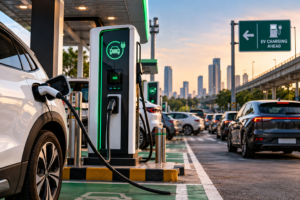
एक recent analysis के अनुसार India में करीब 235 EVs के मुकाबले एक public charging station उपलब्ध है। यह ratio बताता है कि EV sales और charging infrastructure की growth के बीच अभी भी बड़ा gap मौजूद है।
यही gap अब India’s EV transition के अगले phase की सबसे बड़ी challenges में से एक बन रहा है।
क्योंकि EV खरीदने के लिए केवल affordable car या scooter पर्याप्त नहीं है। Consumer को यह confidence भी चाहिए कि जब battery low हो तो charging point आसानी से, reliably और reasonably fast मिल जाएगा।
EV Sales तेजी से क्यों बढ़ रही हैं?
India में EV adoption को कई factors ने push किया है।
Government incentives, battery technology में improvement, नए EV models, lower running cost और बढ़ती consumer awareness ने electric mobility को mainstream बनाया है।
PM E-DRIVE scheme के तहत EV adoption को support करने के साथ charging infrastructure के लिए भी ₹2,000 crore का allocation किया गया है। Scheme के तहत public charging infrastructure को nationwide scale पर deploy करने की योजना है।
NITI Aayog के अनुसार FY2025-26 में EV sales पिछले financial year की तुलना में करीब 25% बढ़ीं। वहीं public charging stations की संख्या December 2022 के लगभग 5,151 से बढ़कर 2025 में 29,000 से ज्यादा हो गई।
यानी charging network बढ़ रहा है।
Problem यह है कि EV adoption उससे भी तेज गति से बढ़ रहा है।
235 EVs पर 1 Charger: असली Problem क्या है?
235:1 ratio को सिर्फ एक number समझना आसान है, लेकिन इसके पीछे कई structural problems छिपी हैं।
एक public charging station की location, charger type, charging speed और availability equally important हैं।
मान लीजिए किसी शहर में 1,000 EVs हैं और कई charging stations मौजूद हैं। फिर भी अगर अधिकांश chargers:
- शहर के एक ही हिस्से में हों,
- slow chargers हों,
- frequently occupied हों,
- खराब पड़े हों,
- या highway से दूर हों,
तो actual consumer experience खराब ही रहेगा।
इसलिए EV infrastructure का सवाल केवल “कितने chargers हैं?” नहीं है।
असल सवाल है:
“कहां हैं, कितने fast हैं और कितने समय available रहते हैं?”
India में Charging Infrastructure बढ़ तो रहा है
यह कहना गलत होगा कि India ने charging infrastructure पर काम नहीं किया है।
Ministry of Heavy Industries के अनुसार July 2026 तक BHEL portal पर 52,718 public charging stations listed थे, जिनमें 16,561 fast chargers for cars से equipped थे।
Government ने charging stations को de-licensed activity भी रखा है ताकि private companies relatively आसानी से infrastructure स्थापित कर सकें। Ministry of Power की 2024 guidelines का उद्देश्य connected और interoperable charging ecosystem तैयार करना है।
लेकिन यहां एक important distinction है।
Installed infrastructure और usable infrastructure एक ही चीज नहीं हैं।
किसी charging station का listed होना यह guarantee नहीं करता कि वह हर समय operational, accessible और compatible होगा।
यही वजह है कि EV users के लिए reliability और density दोनों महत्वपूर्ण हैं।
Tier-2 और Tier-3 Cities में Challenge ज्यादा बड़ा
Metro cities में EV owners के पास comparatively ज्यादा options हैं।
लेकिन जैसे-जैसे EV adoption smaller cities और towns में बढ़ेगा, charging network की requirement भी बदल जाएगी।
एक EV owner को केवल अपने शहर के अंदर charging नहीं चाहिए।
उसे चाहिए:
Home → Office → City → Highway → Another City
अगर highway के बीच charging infrastructure पर्याप्त नहीं है, तो long-distance travel में range anxiety बनी रहती है।
Tata Power भी अपनी charging expansion strategy में Tier-II और Tier-III cities को target कर रहा है। Company के FY26 report के अनुसार उसके network ने 700+ cities and towns तक reach बनाई और 5,800+ public, semi-public और fleet charging points operationalise किए।
यह दिखाता है कि next phase में EV charging की race सिर्फ metros तक सीमित नहीं रहने वाली।
Tata Power क्यों बन रहा है बड़ा Player?
India में EV charging infrastructure के सबसे prominent names में Tata Power शामिल है।
Company अपने EZ Charge ecosystem के जरिए public, residential, workplace, fleet और e-bus charging segments में काम कर रही है।
Tata Power के FY26 annual report के अनुसार company ने:
- 5,800+ public, semi-public और fleet charging points operationalise किए
- 1,200+ e-bus charging points operationalise किए
- 2 lakh+ EV home chargers install किए
- 700+ cities और towns तक charging ecosystem पहुंचाया
और company charging infrastructure को Tier-II तथा Tier-III markets में भी expand कर रही है।
Tata Power ने highways पर ultra-fast charging infrastructure भी expand किया है। May 2026 में company ने Indian Oil के साथ Delhi-Mumbai Expressway पर 240 kW ultra-fast chargers install किए।
यह development important है क्योंकि EV adoption के अगले phase में highway charging consumer confidence के लिए critical होगी।
लेकिन Charger लगाना इतना आसान Business नहीं
यह EV charging crisis का सबसे interesting part है।
Surface पर charging station business simple दिखाई देता है:
Charger लगाओ → EV charge करो → पैसा कमाओ।
लेकिन actual economics काफी complex है।
एक charging station को चाहिए:
- Land
- Electricity connection
- Transformer/infrastructure
- Charger hardware
- Software
- Maintenance
- Network connectivity
- Security
- Staff या support
- Payment infrastructure
इसके बाद सबसे बड़ा सवाल आता है:
दिन में कितनी EVs वहां charge करेंगी?
अगर charger की utilisation low है, तो capital investment recover करना मुश्किल हो सकता है।
यही कारण है कि हर location पर charging station लगाना commercially viable नहीं होता।
Low Utilisation बनाम High Demand का Paradox
India के EV charging market में एक interesting paradox है।
जहां EVs ज्यादा हैं, वहां charging infrastructure की demand ज्यादा है।
लेकिन वहां competition और land/electricity costs भी ज्यादा हो सकते हैं।
जहां EVs कम हैं, वहां charger लगाने की जरूरत future के लिए ज्यादा हो सकती है।
लेकिन current utilisation इतनी कम हो सकती है कि operator के लिए investment attractive न रहे।
यानी industry को simultaneously दो problems solve करनी हैं:
Today की utilisation
और
Tomorrow की demand
इसी वजह से charging network expansion को केवल number-based target से नहीं देखा जा सकता।
Fast Charging सबसे बड़ा Game Changer क्यों है?
EV adoption बढ़ने के साथ consumers का expectation भी बदल रहा है।
अगर किसी petrol pump पर fuel भरने में कुछ minutes लगते हैं, तो EV user naturally चाहता है कि charging experience भी ज्यादा time-consuming न हो।
Fast charging इसी problem को address करता है।
लेकिन fast chargers की cost और power requirement ज्यादा होती है।
इसके लिए मजबूत electricity infrastructure की जरूरत पड़ती है।
इसलिए India में charging infrastructure का अगला phase केवल ज्यादा chargers लगाने का नहीं होगा।
यह होगा:
More Fast Chargers + Better Grid + Better Locations + Better Utilisation
Home Charging फिर भी सबसे Important रहेगा
Public charging infrastructure की कमी के बावजूद private EV owners के लिए home charging एक major advantage है।
अगर किसी EV owner के पास घर या workplace पर charging facility है, तो public charging पर dependency काफी कम हो जाती है।
यही reason है कि charging ecosystem में residential chargers का role महत्वपूर्ण है।
Tata Power ने FY26 तक 2 lakh से अधिक EV home chargers install किए होने की जानकारी दी है।
इससे EV ecosystem का एक important model सामने आता है:
Home charging for daily use + Public charging for long-distance travel
अगर India इस model को efficiently scale कर पाता है, तो public charger shortage का pressure कुछ हद तक कम किया जा सकता है।
Apartment और Residential Charging भी बड़ा Roadblock
India में EV adoption के लिए एक अक्सर overlooked problem है—हर EV owner के पास independent parking और charging access नहीं है।
High-rise apartments और housing societies में:
- Dedicated parking नहीं
- Electrical load limitations
- Basement charging restrictions
- Shared electricity billing
- Fire safety concerns
- Wiring permissions
जैसी challenges सामने आती हैं।
Business Standard ने भी EV owners के ऐसे cases report किए हैं जहां housing society में personal charger install करने या basement में charging की अनुमति नहीं थी, जिसके कारण owners को limited public/workplace charging पर निर्भर रहना पड़ा।
इसलिए India का EV charging problem सिर्फ highways की problem नहीं है।
यह housing infrastructure की problem भी है।
Government क्या कर रही है?
Government ने EV charging ecosystem के लिए multiple interventions किए हैं।
PM E-DRIVE के तहत public charging infrastructure के लिए ₹2,000 crore allocation है। Ministry of Power की 2024 charging infrastructure guidelines interoperability और standardisation पर focus करती हैं।
Charging stations को de-licensed activity रखने का उद्देश्य private investment को encourage करना भी है।
लेकिन अब अगला challenge policy से ज्यादा execution का है।
Infrastructure को वहां पहुंचाना होगा जहां EV adoption आने वाला है—न कि केवल वहां जहां आज already high demand है।
क्या EV Charging Network EV Sales को Slow कर सकता है?
हाँ, लेकिन इसका impact immediate sales collapse की तरह नहीं दिखेगा।
EV buyers के लिए charging infrastructure एक confidence factor है।
अगर consumer को लगता है कि:
“घर से बाहर निकलने के बाद charging नहीं मिलेगी”
तो वह EV खरीदने में hesitate कर सकता है।
इसका effect particularly उन consumers पर ज्यादा हो सकता है जो:
- Long-distance travel करते हैं
- Apartment में रहते हैं
- Home charging नहीं कर सकते
- Tier-2/3 cities में रहते हैं
- Frequent intercity travel करते हैं
यानी charging network EV adoption की ceiling तय करने वाले factors में से एक बन सकता है।
EV Growth का अगला Phase सिर्फ Cars और Scooters का नहीं होगा
India का EV market केवल passenger cars तक सीमित नहीं है।
Electric two-wheelers और three-wheelers पहले से EV adoption का बड़ा हिस्सा हैं। Government के PM E-DRIVE data में भी e-2Ws और e-3Ws की बड़ी contribution दिखाई देती है।
इसलिए charging infrastructure को अलग-अलग vehicle categories के हिसाब से design करना होगा।
Two-Wheelers
Home और workplace charging ज्यादा relevant हो सकती है।
Three-Wheelers
High-utilisation commercial charging और fleet hubs महत्वपूर्ण होंगे।
Electric Cars
Home charging + public fast charging का combination जरूरी होगा।
Electric Buses
Dedicated high-capacity charging infrastructure चाहिए।
Electric Trucks
Highway-based megawatt/ultra-fast charging ecosystem future में critical हो सकता है।
यानी एक single charging model पूरे India के EV market को support नहीं कर सकता।
India को कितने Chargers चाहिए?
इसका simple answer देना मुश्किल है क्योंकि requirement vehicle type, charging behaviour, home charging availability, utilisation और battery capacity पर depend करती है।
लेकिन current 235:1 ratio यह जरूर दिखाता है कि infrastructure expansion को EV adoption की speed के साथ closely align करना होगा।
NITI Aayog के अनुसार public charging stations 2022 से कई गुना बढ़े हैं, फिर भी EV transition के अगले phase में state-level implementation और infrastructure planning की भूमिका और महत्वपूर्ण होगी।
इसलिए future में success का metric सिर्फ यह नहीं होना चाहिए कि “India में कितने charging stations हैं?”
बल्कि:
कितने operational हैं?
कितने fast हैं?
कितने strategically located हैं?
कितना utilisation है?
और सबसे important:
क्या EV owner को जरूरत के समय charger मिल जाता है?
Charging Network में अगली बड़ी Opportunity
India का EV charging market आने वाले वर्षों में कई businesses के लिए opportunity पैदा कर सकता है।
Energy Companies
Charging + electricity management को integrate कर सकती हैं।
Oil Companies
Petrol pumps को multi-energy mobility hubs में बदल सकती हैं।
Automakers
Vehicle sales के साथ charging ecosystem offer कर सकते हैं।
Real Estate
Commercial buildings और housing societies में charging infrastructure integrate कर सकते हैं।
Technology Companies
Apps, navigation, payment, charger discovery और energy optimisation solutions बना सकती हैं।
Fleet Operators
Dedicated charging hubs develop कर सकते हैं।
यानी EV charging केवल automobile industry का business नहीं रहेगा।
यह Energy + Mobility + Real Estate + Technology का combined ecosystem बन सकता है।
Conclusion
India का EV transition अब उस stage पर पहुंच चुका है जहां vehicle adoption से ज्यादा infrastructure quality महत्वपूर्ण होने लगी है।
FY26 में 24.5 lakh EV registrations और तेजी से बढ़ती EV sales इस बात का संकेत हैं कि consumer interest मौजूद है। लेकिन public charging infrastructure की relative कमी, uneven distribution, slow chargers, low utilisation और residential charging challenges इस growth को अगले phase में constrain कर सकते हैं।
Government ने PM E-DRIVE के जरिए ₹2,000 crore charging infrastructure allocation किया है और public charging network तेजी से बढ़ा है।
अब challenge है right infrastructure, right location और right economics।
Tata Power जैसे players Tier-II और Tier-III cities, highways, fleet और home charging तक network expand कर रहे हैं।
लेकिन India की EV story का अगला बड़ा सवाल यह नहीं होगा कि:
“लोग EV खरीदेंगे या नहीं?”
सवाल होगा:
“जब लाखों लोग EV खरीद लेंगे, तो क्या India के पास उन्हें charge करने के लिए पर्याप्त, fast और reliable infrastructure होगा?”
अगर इसका जवाब infrastructure growth की speed के साथ नहीं मिला, तो charging network India की EV revolution का सबसे बड़ा bottleneck बन सकता है।