Agra MLC Polling Controversy: 6 Officers Suspended, क्या Election Machinery पर बढ़ रहा Trust Crisis?
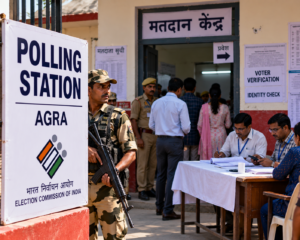
Location: Agra, Uttar Pradesh
Uttar Pradesh में 2027 Assembly Election से पहले electoral machinery को लेकर एक बड़ा सवाल सामने आया है।
Agra Division Teachers’ Constituency के MLC election में polling lapses के बाद Election Commission of India ने 6 supervisory officers को immediate suspension का आदेश दिया है। इसके अलावा 21 अन्य personnel के खिलाफ disciplinary proceedings शुरू करने के निर्देश दिए गए हैं।
यह कार्रवाई सिर्फ कुछ officials पर administrative action नहीं है। इससे बड़ा सवाल यह है कि जब election process की credibility largely booth-level supervision, police deployment और polling officials की neutrality पर depend करती है, तब ऐसी lapses voters के trust को कितना प्रभावित कर सकती हैं?
और सबसे महत्वपूर्ण बात—यह development ऐसे समय में आया है जब Uttar Pradesh अगले साल होने वाले Assembly Election की ओर बढ़ रहा है।
आखिर Agra MLC Polling में हुआ क्या?
Agra Teachers’ Constituency के लिए original polling 23 October 2026 को हुई थी।
Polling के दौरान कुछ stations पर irregularities और malpractice की complaints सामने आईं। इसके बाद Election Commission ने affected polling process की जांच के निर्देश दिए।
Agra Divisional Commissioner की inquiry report के आधार पर ECI ने तीन polling stations—20, 21 और 26—पर हुए original polling को void कर दिया और 26 October को re-poll कराने का फैसला लिया।
Re-polling heightened security के बीच हुई और available reports के अनुसार प्रक्रिया शांतिपूर्ण तरीके से पूरी हुई।
6 Officers पर क्यों हुई इतनी सख्त कार्रवाई?
ECI के अनुसार supervisory responsibility संभाल रहे officers effective supervision और polling stations के अंदर तथा आसपास proper control सुनिश्चित करने में fail रहे।
Commission ने इस dereliction of duty को serious माना और कहा कि इसे condone नहीं किया जा सकता।
Suspension का सामना करने वाले officials में दो Sector Magistrates और चार police personnel शामिल हैं।
इनमें polling station 21, Saiyan पर तैनात Sector Magistrate O.P. Chak, Sector Police Officer Harisharan Singh और Sub-Inspector Sandeep Kumar शामिल हैं।
Polling station 26, Fatehabad पर तैनात Sector Magistrate Vishal Rathore, Sector Police Officer Purushottam Pal और Sub-Inspector Sumit Tyagi पर भी suspension का आदेश हुआ।
ECI ने इन officers के खिलाफ charge-sheets तैयार करने और draft copies को Commission के vetting के लिए 10 दिनों के भीतर भेजने का निर्देश दिया है।
सिर्फ 6 Officers नहीं, 21 और Personnel भी Action में
इस मामले का scale suspension से बड़ा है।
ECI ने polling station 21 और 26 पर deployed:
- 2 Presiding Officers
- 3 Polling Officers
- 5 Head Constables
- 11 Constables
समेत कुल 21 personnel के खिलाफ disciplinary proceedings शुरू करने का आदेश दिया है।
इससे साफ है कि Commission ने इसे isolated administrative mistake के तौर पर नहीं देखा, बल्कि polling supervision और on-ground election management की broader failure के रूप में लिया है।
क्या यह “Election Trust Crisis” है?
यहां थोड़ा distinction जरूरी है।
Agra incident को पूरे election system की failure कहना अभी उचित नहीं होगा।
लेकिन ऐसे incidents electoral trust के लिए जरूर sensitive होते हैं।
किसी भी election में voter का भरोसा केवल final result पर depend नहीं करता। वह इस बात पर भी depend करता है कि:
क्या polling booth पर rules समान रूप से लागू हुए?
क्या security personnel neutral तरीके से deployed थे?
क्या polling officials ने proper supervision किया?
और अगर irregularity हुई तो क्या Commission ने तुरंत action लिया?
Agra case में ECI का response comparatively strict रहा है—original polling को affected stations पर cancel करना, re-poll कराना और responsible officials के खिलाफ disciplinary action शुरू करना इसी approach को दिखाता है।
ECI की Strictness क्यों महत्वपूर्ण है?
Election Commission के लिए सबसे बड़ा challenge सिर्फ polling conduct कराना नहीं है।
Challenge यह भी है कि हर polling station पर process की credibility maintain हो।
अगर किसी booth पर irregularity की complaint आती है और Commission उसे ignore कर देता है, तो political allegations और voter distrust दोनों बढ़ सकते हैं।
लेकिन अगर complaint की जांच होती है, responsibility fix होती है और जरूरत पड़ने पर re-poll कराया जाता है, तो Commission institutional accountability का signal देता है।
Agra में यही हुआ।
ECI ने पहले inquiry कराई, फिर three polling stations पर re-poll कराया और उसके बाद officials पर action का आदेश दिया।
2027 UP Election के लिए इसका क्या मतलब?
Agra MLC election Assembly Election नहीं है, लेकिन इसका administrative importance अलग है।
2027 में Uttar Pradesh में बड़ा electoral exercise होने वाला है।
Assembly elections में polling stations की संख्या, security deployment, polling personnel और political scrutiny कहीं ज्यादा होगी।
ऐसे में Agra जैसी घटना एक system-level rehearsal की तरह भी देखी जा सकती है।
Election machinery के लिए message साफ है:
Booth-level supervision में छोटी गलती भी बड़े administrative action में बदल सकती है।
और political parties के लिए भी यह संकेत है कि polling process पर complaints को सिर्फ political allegation मानकर छोड़ना आसान नहीं होगा।
Booth-Level Monitoring अब सबसे बड़ा Focus क्यों बन सकता है?
Modern elections में technology का role लगातार बढ़ रहा है।
लेकिन technology के बावजूद final polling process ground पर humans operate करते हैं।
Polling officer, Presiding Officer, police personnel, sector magistrate और observers—इन सभी की responsibilities clearly defined होती हैं।
अगर इनमें coordination fail होता है, तो technology अकेले election credibility को protect नहीं कर सकती।
इसलिए future elections में focus केवल:
EVM + CCTV + digital monitoring
तक सीमित नहीं रहेगा।
इसके साथ:
Human supervision + real-time reporting + rapid response
भी equally important होंगे।
Political Parties के लिए क्या Signal है?
Agra incident का political dimension भी है।
Election के दौरान किसी भी irregularity की खबर opposition parties को सवाल उठाने का मौका देती है।
वहीं ruling party के लिए challenge यह होता है कि election machinery पर political bias के आरोप न लगें।
इसी वजह से Election Commission की strict administrative action political environment में एक महत्वपूर्ण signal बन जाती है।
अगर Commission हर genuine complaint पर transparent inquiry और corrective action करता है, तो political controversy को institutional process के जरिए handle किया जा सकता है।
लेकिन अगर action inconsistent दिखाई दे, तो allegations और distrust दोनों बढ़ सकते हैं।
क्या Re-poll Trust को वापस ला सकता है?
कुछ हद तक।
Re-poll का सबसे बड़ा उद्देश्य केवल दोबारा voting कराना नहीं होता।
यह signal भी होता है कि अगर original polling process में गंभीर समस्या सामने आती है, तो election authorities result से ज्यादा process integrity को priority दे सकते हैं।
Agra के तीन polling stations पर re-poll इसी principle के तहत हुआ।
लेकिन long-term trust सिर्फ re-poll से नहीं बनेगा।
इसके लिए जरूरी है कि voters को यह confidence मिले कि अगली बार वही problem repeat नहीं होगी।
2027 से पहले Election Commission की असली परीक्षा
UP में 2027 Assembly Election के दौरान election machinery को कई challenges का सामना करना पड़ेगा।
High political competition, caste equations, voter-list debates, social media misinformation और booth-level mobilisation—इन सभी के बीच polling process की neutrality और transparency बेहद important होगी।
Agra episode Commission के लिए एक reminder है कि election day management में supervisory failure भी politically sensitive issue बन सकता है।
और यही कारण है कि 2027 से पहले election machinery की preparedness पर नजर और ज्यादा रहेगी।
Conclusion: सवाल सिर्फ 6 Suspensions का नहीं है
Agra MLC polling controversy में Election Commission ने six supervisory officers को suspend किया है और 21 अन्य personnel के खिलाफ disciplinary proceedings शुरू की हैं। Three polling stations पर re-poll भी कराया गया।
यह action एक important institutional message देता है:
Election process में accountability सिर्फ candidates और political parties की नहीं, election machinery की भी होती है।
फिलहाल Agra incident को पूरे electoral system का “trust crisis” कहना जल्दबाजी होगी।
लेकिन यह जरूर दिखाता है कि 2027 UP Election से पहले booth-level transparency, supervision और accountability political debate का बड़ा हिस्सा बन सकते हैं।
क्योंकि लोकतंत्र में सिर्फ यह मायने नहीं रखता कि कौन जीता।
यह भी उतना ही महत्वपूर्ण है कि voters को यह भरोसा हो कि जिस process से जीत तय हुई, वह fair और credible था।