UP MLC Election: Lucknow Division का Graduate-Teacher Vote क्यों महत्वपूर्ण है?
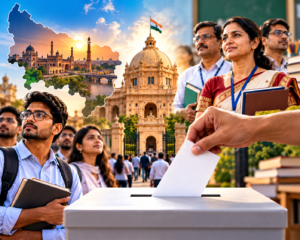
Location: Lucknow, Uttar Pradesh
उत्तर प्रदेश की politics में 2027 Assembly Election की तैयारी शुरू हो चुकी है, लेकिन 23 October को हुए MLC Graduate और Teacher Constituency Elections ने एक अलग तरह का political signal दिया है।
पूरे Uttar Pradesh में 11 Legislative Council seats—5 Graduate और 6 Teacher constituencies—के लिए voting हुई। 4 बजे तक statewide turnout 55.24% रहा। लेकिन Lucknow Division की तस्वीर इससे काफी अलग रही।
Lucknow Division Teachers constituency में करीब 50.92%, जबकि Graduates constituency में 38.02% turnout दर्ज हुआ। यानी educated voters के इन दो वर्गों के बीच participation में लगभग 13 percentage points का अंतर दिखाई दिया।
यही सवाल अब महत्वपूर्ण है:
क्या Lucknow-Sitapur belt के teachers और graduates का voting behaviour 2027 की urban और educated politics का early signal बन सकता है?
MLC Election आम चुनाव से क्यों अलग है?
Graduate और Teacher MLC elections की सबसे बड़ी खासियत उनका special electorate है।
Graduate constituency में recognised university से graduate voters electoral roll में registered होते हैं, जबकि Teacher constituency में qualifying institutions में निर्धारित अवधि तक teaching experience रखने वाले eligible teachers vote करते हैं। यानी यहां सामान्य Assembly या Lok Sabha elections की तरह पूरा adult electorate voting नहीं करता।
इसका मतलब है कि MLC election का result सीधे पूरे समाज की political preference को represent नहीं करता।
लेकिन यह एक specific और politically aware voter segment की preferences को समझने का मौका जरूर देता है।
Lucknow Division में सबसे बड़ा signal क्या मिला?
सबसे interesting difference Teachers और Graduates के turnout में है।
Lucknow Division Teachers constituency में 50.92% polling हुई, जबकि Graduates constituency में 38.02%।
Lucknow district में difference और स्पष्ट दिखा—Teachers constituency में लगभग 44.89% और Graduates constituency में 35.82% turnout दर्ज हुआ।
यानी सिर्फ “educated voters ने कम vote किया” कहना सही नहीं होगा।
असल picture यह है कि:
Teachers की political participation Graduates से काफी ज्यादा रही।
इससे यह सवाल उठता है कि क्या teachers का organisational network और professional issues उन्हें electoral politics में ज्यादा mobilise करता है?
Teachers ज्यादा organised क्यों दिखते हैं?
Teacher electorate की एक खासियत है—यह relatively organised professional community है।
Schools, colleges और teacher associations के networks के कारण political communication यहां individual voter तक पहुंचाना आसान हो सकता है।
Teacher constituencies में pension, recruitment, promotions, salary, transfers, education policy और service conditions जैसे मुद्दे सीधे voter के professional interests से जुड़े होते हैं।
इसलिए teacher voter के लिए election केवल ideology का सवाल नहीं, बल्कि professional policy और institutional interests का भी सवाल हो सकता है।
Lucknow Division में Rae Bareli और Lakhimpur Kheri जैसे districts में teacher turnout comparatively high रहा, जबकि Lucknow district सबसे नीचे रहा।
यह urban-rural participation gap की possibility को भी सामने लाता है।
Graduates का turnout कम क्यों रहा?
Graduates constituency में turnout comparatively low रहा।
Lucknow Division में यह करीब 38.02% था। District-level figures में Lakhimpur Kheri ने लगभग 45%, Rae Bareli करीब 43.7% और Sitapur करीब 41% polling दर्ज की, जबकि Lucknow district करीब 35.8% रहा।
यह pattern एक interesting political question उठाता है:
क्या urban graduates political messaging से ज्यादा disconnected हो रहे हैं, या MLC election उन्हें sufficiently important नहीं लगता?
इसका definitive answer अभी उपलब्ध data से नहीं दिया जा सकता।
लेकिन low participation खुद एक political signal जरूर है।
Lucknow-Sitapur Belt की राजनीति क्यों महत्वपूर्ण है?
Lucknow सिर्फ Uttar Pradesh की administrative capital नहीं है। यह education, government employment, private services, universities, media और professional communities का बड़ा centre है।
वहीं Sitapur, Hardoi, Lakhimpur Kheri, Barabanki और Rae Bareli जैसे districts Lucknow Division के broader political geography को represent करते हैं।
इसलिए Lucknow Division में Graduate-Teacher voting behaviour को केवल एक MLC election तक सीमित देखना सही नहीं होगा।
यह समझने की कोशिश की जा सकती है कि:
- Educated voters किन मुद्दों पर mobilise होते हैं?
- Government employees और teachers की priorities क्या हैं?
- Young graduates politics से कितने connected हैं?
- Urban voters और semi-urban voters के behaviour में कितना difference है?
- Professional identity voting decision को कितना influence करती है?
2027 Assembly Election के लिए इसका क्या मतलब?
यहां caution जरूरी है।
MLC Graduate और Teacher constituencies के voters सामान्य Assembly electorate का representative sample नहीं हैं। इसलिए MLC turnout को सीधे 2027 Assembly Election का prediction मानना गलत होगा।
लेकिन political parties के लिए यह एक micro-level feedback mechanism जरूर है।
अगर कोई party teachers के बीच strong mobilisation देखती है, तो वह education policy और government employees से जुड़े issues को ज्यादा aggressively उठा सकती है।
अगर graduates के बीच participation low रहती है, तो parties के सामने दूसरा सवाल होगा:
क्या educated youth को traditional political campaigning से ज्यादा targeted digital communication चाहिए?
BJP-SP contest का educated voter angle
इस election को BJP और Samajwadi Party के बीच prestige battle के रूप में भी देखा गया। 11 seats पर दोनों parties के बीच direct competition था और polling के दौरान कई districts में दोनों sides के supporters के बीच clashes और allegations भी सामने आए।
यह बताता है कि MLC election को parties केवल limited professional electorate का election नहीं मान रही थीं।
इसके पीछे 2027 का larger political context भी है।
MLC results किसी party की statewide popularity का direct measure नहीं होंगे, लेकिन parties इन्हें organisation, voter mobilisation और candidate network की test के रूप में देख सकती हैं।
Ballot Paper Election का अलग महत्व
इन elections की एक और खास बात यह है कि यहां voting ballot paper के जरिए हुई, EVM के जरिए नहीं।
यह बात उस broader political debate के बीच और महत्वपूर्ण हो जाती है जिसमें election transparency, voter lists और voting process को लेकर लगातार discussion चल रहा है।
Polling के दौरान कुछ districts में BJP और SP supporters के बीच clashes और electoral malpractice के allegations भी सामने आए। हालांकि सभी allegations independently establish नहीं हुए हैं।
इसलिए election के बाद सिर्फ result नहीं, बल्कि complaints और official scrutiny भी political narrative का हिस्सा बन सकती है।
सबसे बड़ा सवाल: Educated Voter आखिर चाहता क्या है?
Graduate-Teacher elections का सबसे interesting aspect यही है कि यहां voter profile comparatively specific है।
Teacher voter के लिए education system और employment conditions बड़े मुद्दे हो सकते हैं।
Graduate voter के लिए jobs, competitive examinations, private employment, skill development, inflation, migration और government recruitment ज्यादा relevant हो सकते हैं।
लेकिन यह मान लेना कि हर graduate या teacher एक ही political preference रखता है, सही नहीं होगा।
असल challenge political parties के सामने यही है कि educated voter को एक homogeneous vote bank समझने की बजाय अलग-अलग sub-groups में समझा जाए।
क्या Low Turnout भी एक Political Message है?
कई बार election में सिर्फ किसने vote किया, यह महत्वपूर्ण नहीं होता।
किसने vote नहीं किया, यह भी महत्वपूर्ण होता है।
Lucknow Graduates constituency में लगभग 38% turnout और Lucknow district में इससे भी कम participation यह सवाल उठाता है कि क्या urban educated voters electoral politics में पर्याप्त interest दिखा रहे हैं।
अगर political parties 2027 में इस segment को target करना चाहती हैं, तो केवल rallies और conventional speeches पर्याप्त नहीं हो सकतीं।
Digital platforms, issue-based communication और direct engagement ज्यादा महत्वपूर्ण हो सकते हैं।
2027 के लिए तीन बड़े संकेत
Lucknow Division के इस election से तीन broad political questions निकलते हैं।
पहला — Professional voters की mobilisation
Teachers जैसे organised groups को political parties कितना effectively mobilise कर सकती हैं?
दूसरा — Educated Youth का Engagement
Graduates में comparatively low turnout क्या political disengagement का संकेत है या सिर्फ MLC election की limited visibility का?
तीसरा — Urban vs Semi-Urban Politics
Lucknow जैसे urban district और Sitapur, Kheri, Rae Bareli जैसे districts में turnout patterns का difference parties के लिए अलग-अलग campaign strategies की जरूरत दिखा सकता है।
27 October को क्या पता चलेगा?
MLC elections की counting 27 October को होगी। इसलिए फिलहाल turnout को result से जोड़कर किसी party की जीत या हार का निष्कर्ष निकालना जल्दबाजी होगा।
लेकिन result से ज्यादा interesting शायद यह होगा कि कौन-सी party teachers और graduates जैसे specialised voter groups में अपनी organisational strength साबित करती है।
क्योंकि 2027 Assembly Election से पहले parties को सिर्फ बड़े caste groups या traditional vote banks ही नहीं, बल्कि profession-based और issue-based voter segments को भी समझना होगा।
Conclusion: MLC Election छोटा चुनाव, लेकिन बड़ा Political Signal?
Lucknow Division का Graduate-Teacher MLC election 2027 Assembly Election का direct preview नहीं है।
लेकिन यह educated और professional voters की political participation को समझने का एक useful window जरूर है।
Teachers का relatively higher turnout और graduates का lower participation एक interesting contrast पैदा करता है।
अब राजनीतिक दलों के सामने सवाल यह है:
क्या 2027 में educated voter सिर्फ एक “vote bank” होगा, या political strategy का अलग और ज्यादा targeted segment बनेगा?
Lucknow-Sitapur belt में इस सवाल का जवाब आने वाले महीनों में Uttar Pradesh की larger political strategy को प्रभावित कर सकता है।