TV Debates पर Government की नई Advisory: Free Speech और Hate Speech के बीच नई Red Line?
Location: New Delhi, India
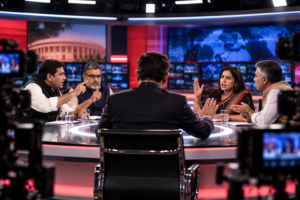
Indian television news में political debates लंबे समय से prime-time journalism का सबसे visible हिस्सा रहे हैं। लेकिन जब debate में political disagreement personal attacks, abusive language, communal remarks या inflammatory statements तक पहुंच जाता है, तो सवाल सिर्फ journalism का नहीं रहता—यह free speech और editorial responsibility के बीच balance का मुद्दा बन जाता है।
इसी debate के बीच Ministry of Information & Broadcasting (I&B Ministry) ने 21 October 2026 को private satellite television channels के लिए fresh advisory जारी की है।
Advisory में channels को live debates और panel discussions के दौरान stronger editorial control रखने, panellists को carefully select और sensitise करने तथा जरूरत पड़ने पर mute, disclaimer, interruption या feed discontinuation जैसे immediate measures इस्तेमाल करने को कहा गया है।
लेकिन इसके साथ एक बड़ा सवाल भी उठता है:
क्या यह television journalism में responsible editorial control की जरूरत है, या इससे government influence और editorial freedom को लेकर नई बहस शुरू हो सकती है?
Government ने advisory क्यों जारी की?
Ministry के मुताबिक कई private satellite channels पर Programme Code के provisions के पालन में कमी देखी गई।
यह Programme Code Cable Television Networks (Regulation) Act, 1995 और उसके तहत बने Rules से जुड़ा है।
I&B Ministry ने बताया कि Inter-Departmental Committee (IDC) ने भी कुछ telecasts को Programme Code की भावना के अनुरूप नहीं पाया और inappropriate behaviour तथा language को television पर normalise न करने की जरूरत पर जोर दिया।
इसलिए advisory का stated objective नया कानून बनाना नहीं, बल्कि existing broadcasting framework का stricter compliance सुनिश्चित करना है।
यानी सरकार का मुख्य argument यह है कि broadcasters को पहले से मौजूद rules को ज्यादा seriously follow करना चाहिए।
TV Debates के लिए क्या नया निर्देश आया?
सबसे ज्यादा attention live debates को लेकर है।
Ministry ने कहा है कि programmes और panel discussions में communal या anti-national attitudes को promote या encourage नहीं किया जाना चाहिए।
इसके लिए channels को:
- Panellists का careful selection करना होगा
- Participants को पहले से sensitise करना होगा
- Debate के दौरान editorial monitoring मजबूत रखनी होगी
- Abusive या inflammatory remarks पर immediate intervention करना होगा
जरूरत पड़ने पर broadcaster speaker को mute कर सकता है, disclaimer चला सकता है, programme interrupt कर सकता है या feed discontinue कर सकता है।
यानी अब live debate में “anchor के control से बाहर चला गया” जैसी स्थिति को लेकर broadcasters से ज्यादा accountability की अपेक्षा की जा रही है।
क्या इसका मतलब Government TV debates को control करेगी?
यहां सबसे important distinction समझना जरूरी है।
Advisory का stated basis Programme Code compliance है। यह ऐसा नहीं कहती कि सरकार हर political opinion को पहले approve करेगी।
लेकिन editorial control को लेकर concern इसलिए पैदा हो सकता है क्योंकि “inflammatory”, “derogatory” या “anti-national” जैसे categories का practical interpretation newsroom-to-newsroom अलग हो सकता है।
यही जगह है जहां Free Speech vs Responsible Broadcasting की debate शुरू होती है।
एक तरफ channel को ऐसा content रोकना चाहिए जो communal hatred या violence को बढ़ावा दे सकता है।
दूसरी तरफ political criticism, dissent और strong disagreement को सिर्फ इसलिए suppress नहीं किया जाना चाहिए क्योंकि वह uncomfortable या controversial है।
इसलिए असली challenge केवल rules बनाना नहीं है।
Challenge है—उन rules को consistently और transparently लागू करना।
Free Speech और Hate Speech के बीच Red Line कहां है?
यह सबसे difficult question है।
मान लीजिए किसी debate में कोई political leader government की harsh criticism करता है।
यह democratic discourse का हिस्सा हो सकता है।
लेकिन अगर वही discussion किसी community के खिलाफ hatred या violence को encourage करने लगे, तो मामला अलग हो जाता है।
इसलिए television editorial teams के लिए तीन layers महत्वपूर्ण हो सकती हैं:
Political criticism → democratic expression
Abusive personal attack → editorial moderation का मामला
Communal incitement / violence promotion → serious regulatory concern
Problem तब आती है जब इन तीनों की boundary television की high-pressure live environment में blur हो जाती है।
AI ने इस advisory को और important क्यों बना दिया?
इस advisory का एक दूसरा बड़ा हिस्सा Artificial Intelligence और Generative AI से जुड़ा है।
Ministry ने broadcasters को AI tools के इस्तेमाल में caution बरतने को कहा है।
AI का इस्तेमाल graphics, virtual news presentations और दूसरे broadcast applications में हो सकता है, लेकिन Ministry ने कहा है कि AI को assistive capacity तक सीमित रखा जाए और इससे news की accuracy, authenticity या sensitivity compromise नहीं होनी चाहिए।
यह instruction ऐसे समय में आया है जब television और digital media दोनों में AI-generated anchors, synthetic visuals, voice cloning और generated graphics तेजी से बढ़ रहे हैं।
एक गलत AI-generated visual अब सिर्फ technical mistake नहीं रह सकता।
वह misinformation बन सकता है।
AI-generated News का अगला बड़ा खतरा क्या है?
Imagine कीजिए—
एक breaking news story चल रही है।
Channel जल्दी से AI-generated visual तैयार करता है।
Visual realistic दिखता है लेकिन event का actual footage नहीं है।
अगर viewer को यह distinction नहीं बताया गया, तो वह synthetic image को real footage समझ सकता है।
इसीलिए AI era में journalism का basic principle और महत्वपूर्ण हो जाता है:
Fast होना जरूरी है, लेकिन verified होना उससे ज्यादा जरूरी है।
I&B Ministry ने इसी वजह से AI के इस्तेमाल को assistive role में रखने और content की accuracy तथा authenticity को प्राथमिकता देने पर जोर दिया है।
Anti-Terror Operations की Live Coverage पर भी जोर
Advisory ने anti-terror operations की live coverage को लेकर existing restriction को भी reiterate किया है।
Cable Television Networks Rules के Rule 6(1)(p) के तहत security forces के anti-terror operations की live coverage prohibited है।
ऐसी स्थिति में media coverage authorised officer की periodic briefings तक सीमित रहनी चाहिए, जब तक operation समाप्त न हो जाए।
यह provision नया नहीं है।
लेकिन Ministry ने इसे fresh advisory में फिर highlight किया है, जो बताता है कि sensitive security situations में live broadcasting को लेकर government अभी भी strict editorial discipline चाहती है।
Crime Reporting पर भी tightening
Advisory केवल political debates पर नहीं है।
Crime और violence की reporting को verified और balanced रखने की बात कही गई है।
Ministry ने sensational coverage, unlawful behaviour को glorify या normalise करने और disturbing visuals को बार-बार loop करने से बचने को कहा है।
जहां जरूरी हो, वहां blurring या masking का इस्तेमाल करने की सलाह भी दी गई है।
खासकर women और children से जुड़े crimes में additional sensitivity की बात कही गई है।
Sexual offence victims की identity protect करने के Supreme Court directions का पालन करने पर भी जोर दिया गया है।
Maps तक के लिए नई caution क्यों?
Advisory में broadcasters को India के maps के लिए Survey of India द्वारा published authentic maps इस्तेमाल करने की सलाह दी गई है।
यह requirement Rule 6(1)(h) से जुड़ी है और television graphics तथा digital representations पर भी लागू होती है।
आज जब TV news में maps लगातार इस्तेमाल होते हैं—चाहे border conflict हो, election coverage हो या geopolitical story—एक inaccurate map misinformation का source बन सकता है।
इसलिए government इसे सिर्फ design issue नहीं बल्कि national integrity से जुड़ा issue मानती है।
क्या TV Journalism अब ज्यादा regulated होने वाला है?
यह advisory एक broader trend की तरफ इशारा करती है।
News broadcasting पहले केवल newsroom editorial decisions का मामला था।
अब इसमें कई layers जुड़ चुकी हैं:
TV debates + social media clips + AI-generated visuals + live coverage + misinformation + national security
एक television debate का controversial 20-second clip कुछ ही मिनटों में social media पर लाखों लोगों तक पहुंच सकता है।
इसलिए broadcasters पर सिर्फ television audience की नहीं, बल्कि पूरे digital information ecosystem की responsibility बढ़ रही है।
लेकिन क्या इससे Prime-Time Journalism बदल जाएगी?
संभव है।
News channels को अब live debates में ज्यादा aggressive editorial monitoring रखनी पड़ सकती है।
Anchors और producers को real-time intervention के लिए तैयार रहना होगा।
Panellist selection भी ज्यादा important हो सकता है।
और AI-generated graphics तथा virtual presenters के इस्तेमाल के लिए internal verification systems विकसित करने पड़ सकते हैं।
इसका एक positive effect यह हो सकता है कि prime-time debates में abusive language और uncontrolled shouting कम हो।
लेकिन दूसरी तरफ excessive caution का risk भी है।
अगर broadcasters controversial लेकिन legitimate political opinions को भी unnecessarily suppress करने लगें, तो debate की democratic value कमजोर हो सकती है।
इसलिए editorial discipline और editorial independence—दोनों को साथ रखना होगा।
असली Red Line कौन तय करेगा?
यही सबसे बड़ा सवाल है।
क्या Red Line केवल government तय करेगी?
या broadcasters के self-regulatory mechanisms भी इसमें बराबर भूमिका निभाएंगे?
या फिर courts को यह तय करना होगा कि किसी particular broadcast ने free speech की सीमा पार की या नहीं?
भारत का media ecosystem आने वाले वर्षों में इसी institutional balance को लेकर ज्यादा debate देख सकता है।
खासकर तब जब AI-generated content और hyper-fast social media distribution traditional broadcasting boundaries को लगातार कमजोर कर रहे हैं।
2026 के Media Landscape में इसका क्या मतलब है?
आज television channel के पास सिर्फ एक responsibility नहीं है कि वह सबसे पहले खबर दिखाए।
उसे यह भी सुनिश्चित करना है कि:
खबर सही हो।
Visual authentic हो।
Debate abusive न हो।
Security operation compromise न हो।
Victim की identity protect हो।
AI misinformation न बनाए।
और सबसे महत्वपूर्ण—
Editorial judgement democratic debate को unnecessarily suppress भी न करे।
यही balance आने वाले समय में Indian television journalism की सबसे बड़ी test हो सकता है।
Conclusion: Control या Accountability?
I&B Ministry की नई advisory को केवल “TV debates पर government control” के रूप में देखना शायद incomplete picture होगी।
एक तरफ government existing Programme Code के compliance, responsible journalism, AI caution और sensitive coverage पर जोर दे रही है।
दूसरी तरफ media freedom के लिए यह जरूरी रहेगा कि regulatory framework का इस्तेमाल legitimate criticism और democratic dissent को दबाने के लिए न हो।
इसलिए असली सवाल यह नहीं है कि TV debates को regulate किया जाना चाहिए या नहीं।
सवाल यह है:
Regulation की सीमा कहां खत्म होगी और editorial freedom कहां से शुरू होगी?
और AI के दौर में शायद एक और सवाल उतना ही महत्वपूर्ण है:
जब television पर दिखाई जाने वाली तस्वीर भी AI से बनाई जा सकती है, तो viewer को सच और synthetic reality के बीच फर्क कौन बताएगा?
Indian television journalism के लिए आने वाले समय की सबसे बड़ी challenge शायद यही होगी—credibility बचाते हुए freedom को भी बचाना।