UP Graduate Voter Roll में अजीब Entries: Electoral Data की Quality पर कितना बड़ा सवाल?
Location: Lucknow, Uttar Pradesh
उत्तर प्रदेश में voter-list को लेकर चल रही बहस अब सिर्फ duplicate names, deleted voters या SIR तक सीमित नहीं रह गई है। Allahabad-Jhansi Graduates’ Constituency की 2026 electoral roll में कुछ ऐसी entries सामने आई हैं, जिन्होंने electoral database की accuracy और verification process पर गंभीर सवाल खड़े कर दिए हैं।
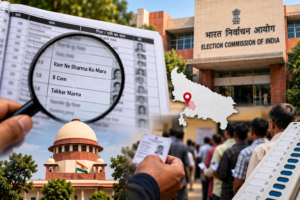
कुछ entries में voter या पिता के नाम के रूप में ऐसे शब्द दर्ज हैं जो सामान्य personal details जैसे दिखाई नहीं देते। इनमें “Ram Ne Sharma Ko Mara”, “B Com”, “Takkar Marna” और कुछ अन्य apparently nonsensical entries शामिल होने की रिपोर्ट सामने आई है।
सबसे महत्वपूर्ण बात यह है कि मामला अब सिर्फ social-media curiosity नहीं रह गया है। UP Chief Electoral Officer Navdeep Rinwa ने मामले की जांच के लिए संबंधित Electoral Registration Officer से report मांगी है।
“Ram Ne Sharma Ko Mara” जैसी Entry ने सवाल क्यों खड़ा किया?
Electoral roll में voter का नाम, relative/parent का नाम, gender, age और address जैसी basic information election administration की foundation होती है।
लेकिन जब किसी voter record में ऐसी language दिखाई देती है जो नाम या पारिवारिक पहचान से मेल नहीं खाती, तो सवाल उठता है कि यह data entry error है, application में गलत information दी गई थी या verification के दौरान इसे identify नहीं किया गया।
Reported examples में:
- “Ram Ne Sharma Ko Mara” जैसी entry
- “B Com” को father’s name के रूप में दर्ज करना
- “Takkar Marna” जैसे unusual names
- कुछ entries में gender और personal details के बीच apparent inconsistencies
शामिल हैं।
हालांकि इन entries को देखकर सीधे यह निष्कर्ष निकालना सही नहीं होगा कि ये fake voters हैं। पहले official verification और inquiry का result सामने आना जरूरी है।
Election Commission ने क्या किया?
मामला सामने आने के बाद UP Chief Electoral Officer ने संबंधित electoral authorities से report मांगी है।
इसका मतलब यह है कि फिलहाल प्रशासन ने इन entries को automatically fraudulent घोषित नहीं किया है। Investigation के जरिए यह पता लगाया जाएगा कि unusual records electoral roll में किस process से पहुंचे और क्या correction की आवश्यकता है।
यह distinction बेहद जरूरी है:
Unusual entry ≠ automatically fake voter.
किसी record में गलत spelling, data-entry mistake या गलत parent detail हो सकती है। लेकिन अगर systematic verification के बाद भी ऐसी entries मौजूद मिलती हैं, तब यह electoral database management का गंभीर issue बन सकता है।
Graduate Voter Roll में मामला और sensitive क्यों है?
यह कोई सामान्य Assembly voter list नहीं है।
Allahabad-Jhansi Graduates’ Constituency Uttar Pradesh Legislative Council के चुनाव से जुड़ी है। ऐसे constituencies में voter eligibility अलग criteria पर आधारित होती है और voter registration process में qualification-related requirements भी महत्वपूर्ण होती हैं।
इसलिए यहां personal information की accuracy और eligibility verification का महत्व और बढ़ जाता है।
2026 में UP की पांच Graduate और छह Teacher constituencies के लिए Legislative Council elections हो रहे हैं, जिनकी polling 23 October को निर्धारित है।
यानी unusual entries की खबर ठीक चुनाव से पहले सामने आना naturally public attention को बढ़ा रहा है।
क्या यह सिर्फ Typing Error है?
यह सबसे महत्वपूर्ण सवाल है।
एक possibility simple clerical/data-entry error की है।
Electoral databases में spelling mistakes, incorrect age, parent-name variations या printing errors हो सकते हैं। खुद UP CEO ने 21 October को कहा कि eligible voters को minor clerical या printing errors की वजह से मतदान से रोका नहीं जाना चाहिए, बशर्ते उनकी identity establish हो सके।
लेकिन दूसरी तरफ, अगर entries सिर्फ spelling mistakes नहीं बल्कि ऐसे records हैं जिनमें पूरा नाम या parent information ही nonsensical है, तो verification process की quality पर सवाल उठना स्वाभाविक है।
यही वजह है कि इस मामले में individual error और systemic verification failure के बीच फर्क करना जरूरी होगा।
UP में Voter Data पर पहले से चल रही है बड़ी scrutiny
यह controversy isolated घटना के रूप में नहीं देखी जा रही है।
2026 में Uttar Pradesh में electoral rolls को लेकर Special Intensive Revision (SIR) के दौरान भी बड़े पैमाने पर discrepancies सामने आई थीं।
Election officials ने “logical discrepancies” के तहत father’s name में variations, voter और parent की age में unusual gaps, multiple voters द्वारा एक ही व्यक्ति को father के रूप में दर्ज करने और अन्य inconsistencies को identify किया था।
Lucknow district की official website पर भी SIR-2026 के तहत “No Mapping and Logical Discrepancies” वाले voters की अलग lists उपलब्ध कराई गई हैं।
इसलिए Graduate voter roll में सामने आई bizarre entries को broader electoral-data quality debate से जोड़कर देखना ज्यादा महत्वपूर्ण है।
Duplicate Voters का मुद्दा भी सामने आया
इसी समय Samajwadi Party ने भी UP के कई electoral rolls में alleged duplicate entries का मुद्दा उठाया है।
Party ने Allahabad-Jhansi Graduates’ Constituency के साथ-साथ Lucknow की Bakshi Ka Talab Assembly constituency और Jhansi की कुछ constituencies में duplicate voter entries का दावा किया है।
इन allegations की independent verification अभी जरूरी है, लेकिन राजनीतिक parties द्वारा voter-roll scrutiny तेज करना यह दिखाता है कि electoral data अब 2027 politics से पहले एक बड़ा political issue बन चुका है।
BJP ने भी उठाया Fake और Duplicate Entries का मुद्दा
इस debate का एक interesting political angle यह है कि voter-roll irregularities का सवाल केवल opposition तक सीमित नहीं है।
Reports के अनुसार BJP ने भी Allahabad-Jhansi Graduates’ Constituency की voter list में alleged fake और duplicate entries की शिकायत की है और ऐसी entries हटाने की मांग की है।
इससे issue का राजनीतिक dimension और complex हो जाता है।
एक तरफ parties transparency और correction की मांग कर रही हैं, दूसरी तरफ Election Commission को यह तय करना है कि कौन-सी entry genuine है, कौन-सी clerical error है और कौन-सी वास्तव में duplicate या ineligible हो सकती है।
क्या AI और Software Verification के बावजूद ऐसी गलतियां संभव हैं?
यह सवाल आने वाले समय में और महत्वपूर्ण होगा।
Election databases increasingly digital हो रहे हैं। Software tools potential discrepancies identify कर सकते हैं, duplicate records flag कर सकते हैं और large-scale datasets में unusual patterns detect कर सकते हैं।
लेकिन software केवल flag कर सकता है।
Final verification के लिए human oversight अभी भी जरूरी है।
अगर किसी system में “B Com” father’s name के रूप में दर्ज है, तो ideal verification workflow में ऐसे record को automatically suspicious category में डालकर human review के लिए भेजा जाना चाहिए।
यानी future electoral technology का लक्ष्य केवल digitisation नहीं होना चाहिए।
उसे data validation + anomaly detection + human verification का combination बनना होगा।
सबसे बड़ा सवाल: Voter Roll पर Trust कैसे बनेगा?
Election process की credibility सिर्फ polling day पर तय नहीं होती।
यह उस database से शुरू होती है जिसमें voters के नाम दर्ज हैं।
अगर voter को लगे कि उसका नाम गलत है, किसी दूसरे व्यक्ति की details उसके record में हैं या electoral roll में obviously incorrect entries मौजूद हैं, तो election system पर public trust प्रभावित हो सकता है।
इसीलिए voter-list correction को सिर्फ administrative exercise नहीं माना जा सकता।
यह electoral transparency का core component है।
Minor Error और Serious Manipulation में फर्क जरूरी
इस पूरे मामले में सबसे ज्यादा सावधानी की जरूरत यहीं है।
हर गलत spelling को electoral fraud कहना गलत होगा।
लेकिन हर unusual entry को “सिर्फ typo” कहकर ignore करना भी सही नहीं होगा।
एक credible electoral system को तीन स्तरों पर काम करना होगा:
पहला — Data Validation
Application submit होते समय basic inconsistencies detect हों।
दूसरा — Human Verification
Suspicious records को BLO/ERO level पर verify किया जाए।
तीसरा — Public Correction Mechanism
Voters को अपनी details check और correction की आसान सुविधा मिले।
यही तीनों layers electoral database को ज्यादा reliable बना सकती हैं।
2027 Politics के लिए इसका क्या मतलब है?
उत्तर प्रदेश में 2027 Assembly elections करीब हैं।
ऐसे में voter rolls को लेकर कोई भी controversy सिर्फ administrative issue नहीं रहेगी। Political parties इसे campaign narrative में बदल सकती हैं।
अगर opposition कहता है कि voter database unreliable है, तो ruling establishment को transparency और verification के जरिए जवाब देना होगा।
दूसरी तरफ अगर Election Commission समय रहते anomalies identify करके correct करता है, तो ऐसी controversies का political impact सीमित किया जा सकता है।
इसलिए आने वाले महीनों में voter-list verification खुद UP politics का बड़ा battlefield बन सकता है।
Conclusion: “एक अजीब Entry” से बड़ा है पूरा सवाल
“Ram Ne Sharma Ko Mara” जैसी entry पहली नजर में internet पर viral होने वाली bizarre electoral detail लग सकती है।
लेकिन इसके पीछे असली सवाल कहीं बड़ा है:
क्या India’s electoral databases इतने मजबूत हैं कि करोड़ों voter records में छोटी से छोटी inconsistency को भी समय रहते identify और verify किया जा सके?
Allahabad-Jhansi Graduates’ Constituency में सामने आई unusual entries की जांच अब यह तय करेगी कि मामला कुछ isolated data-entry errors तक सीमित है या verification system में broader weakness भी सामने आती है।
और जब Uttar Pradesh जैसे politically crucial state में 2027 Assembly elections की groundwork शुरू हो चुकी है, तब voter-list की accuracy, transparency और public trust तीनों पहले से ज्यादा महत्वपूर्ण हो जाते हैं।
क्योंकि लोकतंत्र में चुनाव सिर्फ वोट डालने से नहीं चलता।
सबसे पहले यह सुनिश्चित करना पड़ता है कि जिस voter list पर पूरा चुनाव खड़ा है, वह सही भी हो।