AI Data Centres को 800V बिजली क्यों चाहिए? क्या AI Boom बना रहा है Transformers का नया Billion-Dollar Market?
Location: India
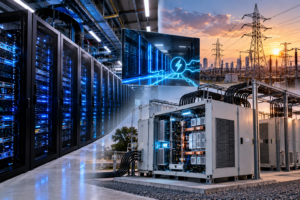
Artificial Intelligence की race को अब तक ज्यादातर GPUs, AI models और computing power की race के तौर पर देखा गया है। लेकिन जैसे-जैसे AI models बड़े हो रहे हैं और data centres में GPU density बढ़ रही है, एक नई समस्या सामने आ रही है—इन GPUs को power कैसे दी जाए?
यही वजह है कि AI infrastructure की अगली बड़ी कहानी शायद GPU नहीं, बल्कि electricity architecture हो सकती है।
Industry अब traditional power distribution से आगे बढ़कर 800V DC architecture की तरफ देख रही है। इसी transition के साथ Solid-State Transformers (SSTs) जैसी technologies की importance बढ़ रही है।
Goldman Sachs के estimates के मुताबिक 800V DC-based AI data-centre architecture से जुड़े Solid-State Transformer market की opportunity 2030 तक लगभग $5 billion तक पहुंच सकती है। यह global opportunity estimate है, India-specific market size नहीं।
तो सवाल यह है:
क्या AI boom अब transformers, power electronics और electricity infrastructure के लिए भी नया billion-dollar business बना रहा है?
आखिर AI Data Centres को इतनी ज्यादा बिजली क्यों चाहिए?
AI workloads traditional cloud computing से काफी अलग हैं।
एक सामान्य data centre में servers की power demand महत्वपूर्ण होती है, लेकिन modern AI systems में high-end GPUs और accelerated computing hardware बहुत ज्यादा electricity consume करते हैं।
जैसे-जैसे AI racks की computing density बढ़ रही है, एक rack में लगने वाली power भी तेजी से बढ़ रही है।
Industry research में future AI racks के लिए hundreds of kilowatts से लेकर megawatt-scale power requirements तक की चर्चा हो रही है।
इसका सीधा मतलब है:
More GPUs → More electricity → More heat → More cooling → More power infrastructure
यहीं से traditional data-centre electrical architecture पर pressure बढ़ता है।
800V आखिर है क्या?
आज के कई data-centre systems में electricity कई conversion stages से गुजरती है।
Grid से आने वाली high-voltage AC electricity को अलग-अलग stages में transform और convert करके servers और GPUs के लिए suitable DC voltage में बदला जाता है।
इस process में multiple conversion stages होते हैं।
800V DC architecture का objective power को ज्यादा high voltage पर distribute करना है ताकि समान power के लिए current कम हो।
सरल भाषा में:
Higher Voltage = Lower Current = Less Copper + Lower Distribution Losses
यही कारण है कि AI infrastructure companies 800V architecture को next-generation power delivery के रूप में देख रही हैं।
NVIDIA ने भी future AI data-centre architectures के लिए 800V HVDC transition की दिशा में roadmap रखा है, जिसमें 2027 से नई architectures की ओर बढ़ने की बात है।
Solid-State Transformer क्या करता है?
यहीं से transformer की कहानी interesting हो जाती है।
Traditional transformer electromagnetic principle पर काम करता है और voltage को एक level से दूसरे level तक convert करता है।
Solid-State Transformer यानी SST semiconductor-based power electronics का इस्तेमाल करके voltage conversion करता है।
Future AI data centres में इसका एक proposed use case medium-voltage AC को सीधे high-voltage DC—जैसे 800V DC—में convert करना है।
इससे कई intermediate conversion stages को कम किया जा सकता है।
Texas Instruments के proposed architecture में SST grid-side medium voltage से 800V DC distribution तक conversion को integrate कर सकता है।
यानी future architecture कुछ इस तरह हो सकती है:
Grid → SST → 800V DC → AI Rack → GPU
इसके मुकाबले traditional architecture में कई additional conversion stages हो सकती हैं।
AI Boom से Transformer Market क्यों बढ़ सकता है?
AI data centre में सिर्फ GPUs नहीं लगते।
एक gigawatt-scale AI facility को चाहिए:
- High-voltage power connection
- Transformers
- Switchgear
- Power distribution
- UPS systems
- Battery backup
- Cooling infrastructure
- Power semiconductors
- Monitoring systems
- Grid connection equipment
इसलिए AI infrastructure spending का बड़ा हिस्सा compute hardware के बाहर भी जा रहा है।
UBS के research के मुताबिक AI data-centre power-electronics opportunity 2025 के लगभग $6.6 billion से बढ़कर 2030 तक $91 billion तक पहुंच सकती है। Research में rising rack power density को इस growth का प्रमुख driver बताया गया है।
यानी AI infrastructure की economics अब केवल GPU companies के लिए नहीं है।
Power equipment companies भी AI growth का indirect beneficiary बन सकती हैं।
$5 Billion SST Opportunity कितनी बड़ी है?
Goldman Sachs ने Solid-State Transformers के लिए 2030 तक लगभग 10 GW के आसपास total addressable market का अनुमान लगाया है, जो revenue opportunity के रूप में करीब $5 billion तक पहुंच सकता है।
लेकिन इसे एक बात के साथ समझना जरूरी है:
यह India का $5 billion market नहीं है।
यह global SST opportunity का estimate है।
फिर भी इसका महत्व इसलिए बड़ा है क्योंकि AI data centres की power architecture बदलने पर transformer और power-conversion industry में नया product category develop हो सकता है।
India के लिए इसका क्या मतलब है?
India तेजी से data-centre infrastructure expand कर रहा है।
Mumbai, Hyderabad, Chennai, Bengaluru, Delhi-NCR और दूसरे major technology hubs में hyperscale और enterprise data-centre capacity बढ़ रही है।
लेकिन AI data centres traditional data centres से ज्यादा power-intensive होंगे।
इसलिए India के सामने सिर्फ यह challenge नहीं है कि:
“हमारे पास कितने GPUs हैं?”
बल्कि सवाल यह भी है:
“क्या हमारे पास उन GPUs को लगातार और efficiently power करने के लिए पर्याप्त electricity infrastructure है?”
अगर India AI data-centre hub बनना चाहता है, तो transformers, substations, switchgear, cooling systems और grid infrastructure भी उसी speed से scale करना होगा।
सिर्फ बिजली पैदा करना काफी नहीं होगा
AI infrastructure की सबसे बड़ी misconception यही हो सकती है कि ज्यादा electricity generation automatically ज्यादा AI capacity में बदल जाएगी।
ऐसा नहीं है।
Data centre को चाहिए:
Generation + Transmission + Distribution + Conversion + Cooling + Reliability
अगर power grid तक electricity पहुंचती है लेकिन data centre के पास पर्याप्त transformer capacity नहीं है, तो project delay हो सकता है।
अगर transformer है लेकिन grid connection कमजोर है, तो reliability issue आएगा।
अगर electricity available है लेकिन cooling infrastructure inadequate है, तो GPUs अपनी maximum capacity पर operate नहीं कर पाएंगे।
यानी AI race धीरे-धीरे energy infrastructure race भी बन रही है।
Transformers पहले से ही bottleneck क्यों बन रहे हैं?
Data-centre expansion के साथ transformer demand बढ़ रही है।
AI facilities के लिए high-capacity electrical equipment की requirement बढ़ने से supply chains पर pressure भी बढ़ सकता है।
कुछ industry analyses traditional transformer supply में long lead times और shortages की तरफ इशारा कर चुके हैं।
इसका मतलब है कि AI data-centre construction में transformer procurement भी project timeline का critical हिस्सा बन सकता है।
यानी future में कोई AI company यह कह सकती है:
“GPU मिल गए, लेकिन transformer कब मिलेगा?”
और यह एक वास्तविक infrastructure bottleneck बन सकता है।
क्या 800V तुरंत हर Data Centre में आ जाएगा?
नहीं।
यह transition overnight नहीं होगा।
J.P. Morgan की analysis के अनुसार 800V DC architecture धीरे-धीरे आएगा और short term में existing AC backbone पूरी तरह replace होने की संभावना नहीं है। SST technology भी अभी early commercialization stage में है।
Goldman Sachs-linked research भी SST commercialization को emerging opportunity के रूप में देखती है, जबकि industry में pilots और validation अभी जारी हैं।
इसलिए आने वाले कुछ वर्षों में mixed architecture देखने को मिल सकती है:
Traditional AC + 800V DC sidecars + advanced rectifiers + SST pilots
और जैसे technology mature होगी, 800V architecture का footprint बढ़ सकता है।
AI Infrastructure की अगली Supply Chain कैसी होगी?
अगर 800V architecture बड़े scale पर adopt होती है, तो AI ecosystem में कुछ नए winners उभर सकते हैं।
1. Power Semiconductor Companies
800V systems के लिए high-voltage Silicon Carbide और अन्य power semiconductor technologies महत्वपूर्ण हो सकती हैं।
2. Transformer Manufacturers
Traditional transformers के साथ-साथ SST manufacturers को भी नया market मिल सकता है।
3. Switchgear & Protection
Higher-voltage DC systems के लिए advanced protection और switching technology की जरूरत होगी।
4. Cooling Companies
Higher-density AI racks के साथ power consumption और heat generation दोनों बढ़ेंगे।
5. Grid Infrastructure Companies
AI data centres के expansion के लिए substations, transmission और distribution upgrades जरूरी होंगे।
इसलिए AI boom का फायदा सिर्फ NVIDIA जैसे GPU manufacturers तक सीमित नहीं रह सकता।
India का असली AI Infrastructure Challenge
India के लिए सबसे बड़ा सवाल यह नहीं है कि कितने global AI companies यहां data centres लगाएंगी।
बड़ा सवाल यह है:
क्या India इस infrastructure value chain का हिस्सा बनेगा?
अगर India केवल foreign companies के लिए land, electricity और data-centre buildings उपलब्ध कराता है, तो value creation का बड़ा हिस्सा बाहर जा सकता है।
लेकिन अगर India:
- Power electronics
- Transformers
- Silicon Carbide components
- Cooling systems
- Data-centre software
- Grid technology
- AI chips
- AI models
इन सभी layers में domestic capabilities develop करता है, तो AI infrastructure India के लिए एक broader industrial opportunity बन सकता है।
क्या AI की अगली बड़ी समस्या GPU नहीं, Electricity होगी?
यह संभावना अब काफी real दिखाई देती है।
AI models को train और run करने के लिए increasingly large compute clusters चाहिए।
Compute clusters को electricity चाहिए।
Electricity को reliable grid चाहिए।
Grid को transformers और substations चाहिए।
और high-density AI racks को advanced power conversion और cooling चाहिए।
यानी पूरा chain एक दूसरे से जुड़ा है।
इसीलिए AI infrastructure को अब सिर्फ “data centre business” समझना पर्याप्त नहीं होगा।
यह धीरे-धीरे energy + semiconductor + electronics + construction + software का combined industry बन रहा है।
Conclusion: AI Superpower बनने के लिए India को “Power Superpower” भी बनना होगा
India AI race में अपनी position मजबूत करना चाहता है तो GPUs और models पर focus जरूरी है।
लेकिन उतना ही जरूरी है कि उन GPUs को चलाने वाली invisible infrastructure भी तैयार हो।
Transformers, power electronics, cooling, grid capacity और high-voltage distribution AI economy के foundation बन सकते हैं।
800V DC और Solid-State Transformers अभी पूरी तरह mature mass-market technologies नहीं हैं। लेकिन industry का direction साफ है—जैसे-जैसे AI racks की power density बढ़ेगी, traditional electrical architecture पर pressure बढ़ेगा और efficient power delivery की value बढ़ेगी।
इसलिए आने वाले AI boom में शायद सबसे interesting investment story सिर्फ यह नहीं होगी कि:
“कौन सबसे powerful AI chip बना रहा है?”
बल्कि यह भी होगी:
“कौन उस AI chip को सबसे efficiently power कर सकता है?”
और अगर India इस पूरी power-to-compute supply chain में अपनी manufacturing और technology capabilities विकसित करता है, तो AI data-centre boom सिर्फ digital infrastructure story नहीं रहेगा—यह India के लिए एक नया industrial growth cycle भी बन सकता है।