Jamia Protest में Political Leaders की Entry: Student Union Election से National Political Battlefield तक
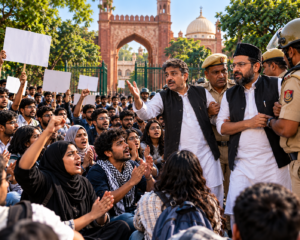
Location: New Delhi
Delhi की Jamia Millia Islamia एक बार फिर national political attention के centre में है।
इस बार मुद्दा किसी general election या national policy का नहीं, बल्कि student union elections का है। लेकिन October 2026 में शुरू हुआ student agitation अब campus politics से बाहर निकलकर mainstream opposition politics तक पहुंच गया है।
23 October को Congress MP Imran Masood और Samajwadi Party MP Mohibbullah Nadvi छात्रों से मिलने Jamia पहुंचे। Delhi Police ने दोनों को detain किया; Nadvi को बाद में release कर दिया गया। इससे protest को लेकर political confrontation और तेज हो गया।
बड़ा सवाल यह है:
क्या Jamia का student union आंदोलन अब सिर्फ campus democracy का मुद्दा है, या Delhi की opposition politics के लिए एक नया mobilisation point बन रहा है?
Jamia में protest आखिर किस बात को लेकर है?
Jamia में students’ union की elected body लंबे समय से मौजूद नहीं है।
आखिरी student union elections 2005 में हुए थे और 2006 में union को dissolve कर दिया गया था। इसके बाद university-wide elected students’ union की वापसी नहीं हुई।
12 October 2026 से students ने indefinite hunger strike शुरू की।
उनकी मुख्य मांग है:
- Students’ union को restore किया जाए
- Election schedule officially announce किया जाए
- Protest में disciplinary action का सामना कर रहे students पर कार्रवाई वापस ली जाए
- Campus representation को मजबूत किया जाए
Students ने इसके अलावा hostels, scholarships, research stipends, attendance rules और campus facilities जैसे मुद्दे भी उठाए हैं।
यानी आंदोलन का immediate trigger election है, लेकिन इसके पीछे student representation और campus governance का broader सवाल भी है।
University का जवाब क्या है?
Jamia administration ने protest को पूरी तरह ignore नहीं किया है।
18 October के आसपास university ने students की demands पर बातचीत के लिए seven-member high-level committee बनाई। बाद में students’ union का constitution तैयार करने के लिए भी committee गठित की गई।
University का argument है कि student union elections कराने से पहले constitution और electoral mechanism तैयार करना जरूरी है।
24 October को committee ने students से agitation खत्म करने की appeal करते हुए कहा कि बिना constitution और election mechanism के सीधे election schedule घोषित करना संभव नहीं है।
लेकिन protesting students immediate election date की मांग पर कायम हैं।
यहीं से deadlock पैदा हो रहा है।
फिर Politics की Entry क्यों हुई?
यही इस पूरे विवाद का सबसे महत्वपूर्ण हिस्सा है।
Student protest जब कई दिनों तक चलता है और hunger strike जैसे pressure tactics तक पहुंचता है, तो political parties के लिए उसमें शामिल होने का space बन जाता है।
Jamia protest में Congress-backed NSUI की मौजूदगी भी सामने आई है। Congress MP Imran Pratapgarhi और NSUI president Vinod Jakhar ने भी students के protest से solidarity जताई। AAP MLA Amanatullah Khan ने university Vice-Chancellor से students की मांगों को लेकर मुलाकात की।
इसके बाद 23 October को Congress MP Imran Masood और SP MP Mohibbullah Nadvi की detention ने controversy को national political headlines में पहुंचा दिया।
अब narrative बदल चुका है:
Student Union Election → Student Protest → Opposition Support → Police Detention → National Political Debate
Congress और SP के लिए Jamia क्यों महत्वपूर्ण है?
Jamia सिर्फ एक university नहीं है; Delhi की politics और national political discourse में इसका symbolic importance भी है।
Congress के लिए student politics traditionally एक महत्वपूर्ण organisational pipeline रही है। NSUI के जरिए university campuses में political mobilisation और future leadership तैयार करने की कोशिश होती रही है।
SP के लिए Jamia में entry का अलग political angle है।
Samajwadi Party की broader politics में youth, minorities और opposition mobilisation महत्वपूर्ण themes हैं। इसलिए Jamia जैसे campus issue पर solidarity दिखाना party के लिए political messaging भी बन सकता है।
हालांकि यह कहना अभी जल्दबाजी होगी कि Jamia protest किसी specific political party का movement बन गया है।
Ground पर core demand अभी भी students की है—elected student union और election schedule।
क्या Opposition इसे 2027 Politics के लिए इस्तेमाल कर रहा है?
यह सबसे sensitive question है।
Delhi में 2027 Assembly election नहीं है, लेकिन national opposition politics के लिए Delhi का political symbolism अलग है।
अगर किसी university protest में Congress, SP, AAP और अन्य opposition voices दिखाई देने लगें, तो वह automatically wider political narrative का हिस्सा बन सकता है।
लेकिन यहां दो possibilities हैं।
पहली possibility: Genuine solidarity
Opposition leaders वास्तव में students के democratic representation के demand को support कर रहे हों।
इस case में political presence students की bargaining power बढ़ा सकती है।
दूसरी possibility: Political appropriation
अगर political parties protest के original student issues से आगे जाकर इसे broader government-vs-opposition confrontation में बदल देती हैं, तो movement की identity बदल सकती है।
यही किसी भी student movement के लिए सबसे बड़ा risk होता है।
Jamia का protest और student politics की वापसी
इस protest की सबसे interesting बात यह है कि यह ऐसे समय में हो रहा है जब Indian universities में student representation को लेकर debate फिर दिखाई दे रही है।
Jamia से कुछ ही दिन पहले Aligarh Muslim University में भी student union elections की मांग को लेकर बड़ा agitation हुआ था। AMU administration ने लंबे gap के बाद elections की दिशा में कदम बढ़ाया।
इससे Jamia students को भी momentum मिला।
यानी Jamia movement को केवल isolated campus controversy की तरह देखना पूरी picture नहीं होगी।
यह university campuses में elected student representation की broader demand का हिस्सा भी बन सकता है।
“Free Kashmir” और graffiti controversy ने मामला क्यों बदल दिया?
Protest के दौरान Jamia campus की walls पर कुछ controversial slogans और graffiti सामने आने के बाद मामला और politically sensitive हो गया।
Reports में “Free Kashmir” और “Free Sharjeel Imam” जैसे slogans के साथ RSS, ABVP और university administration को target करने वाली graffiti का भी उल्लेख है।
इस development ने student union election की original demand के साथ एक अलग ideological controversy जोड़ दी।
University administration और opposition के बीच debate अब केवल elections तक सीमित नहीं रह गई।
यही वजह है कि Jamia protest को लेकर national political coverage तेजी से बढ़ी।
Police Detention ने Political Temperature क्यों बढ़ाया?
Congress MP Imran Masood को detention और SP MP Mohibbullah Nadvi के detention के बाद political reactions और तेज हुए।
Opposition इसे students से मिलने और उनकी आवाज उठाने के democratic right के context में देख रही है।
वहीं law-and-order perspective से police intervention को अलग तरीके से देखा जा सकता है।
इसलिए इस मामले में दो चीजों को अलग रखना जरूरी है:
Student demand और political confrontation।
अगर दोनों पूरी तरह merge हो गए, तो original issue—student union elections—background में चला सकता है।
क्या Jamia फिर National Political Battlefield बन रहा है?
कुछ हद तक हां।
लेकिन इसे अभी पूरी तरह “political movement” कहना सही नहीं होगा।
क्योंकि protest का मूल demand अभी भी university-level है।
फिर भी तीन factors इसे national political issue बना रहे हैं:
पहला — लगभग दो दशक से elected student union का अभाव।
दूसरा — hunger strike और लगातार campus mobilisation।
तीसरा — Congress, SP, AAP और student organisations के leaders का protest से जुड़ना।
इन तीनों ने Jamia को national political spotlight में ला दिया है।
आगे क्या हो सकता है?
आने वाले दिनों में तीन scenarios सबसे महत्वपूर्ण होंगे।
1. University election roadmap देती है
अगर administration constitution और election process के लिए clear timeline देता है, तो protest शांत हो सकता है।
2. Deadlock जारी रहता है
अगर university election date देने से इनकार करती है और students hunger strike जारी रखते हैं, तो political intervention और बढ़ सकता है।
3. Protest wider political movement बनता है
अगर और opposition leaders campus में आते हैं या police action बढ़ता है, तो Jamia issue national opposition politics का बड़ा talking point बन सकता है।
लेकिन इससे student movement की original identity कमजोर भी पड़ सकती है।
Conclusion: Jamia का सवाल सिर्फ Election का नहीं है
Jamia का current protest एक important democratic question उठा रहा है:
क्या universities में students को elected political representation मिलनी चाहिए?
लेकिन October 2026 में यह सवाल अब campus boundaries से बाहर निकल चुका है।
Congress और SP MPs की detention, NSUI और अन्य student organisations की involvement तथा university administration की committees ने इस issue को Delhi की wider political conversation में ला दिया है।
फिर भी सबसे महत्वपूर्ण distinction यही रहेगा:
Jamia का आंदोलन students ने शुरू किया है; political parties बाद में इसमें शामिल हुई हैं।
अगर university और students dialogue के जरिए election roadmap निकालते हैं, तो मामला campus democracy की दिशा में जा सकता है।
लेकिन अगर confrontation बढ़ता है, तो Jamia एक बार फिर student politics और national opposition politics के intersection का बड़ा symbol बन सकता है।
और यही आने वाले दिनों का सबसे बड़ा political question होगा:
क्या Jamia में student union की वापसी होगी, या student election का मुद्दा Delhi की national opposition politics का नया battlefield बन जाएगा?